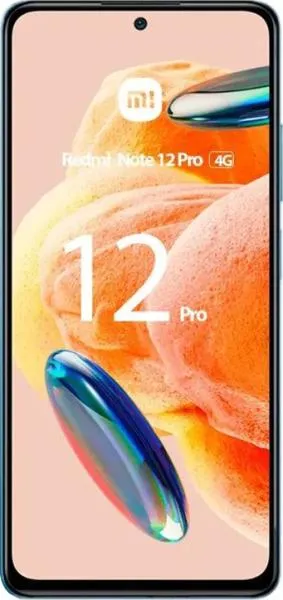
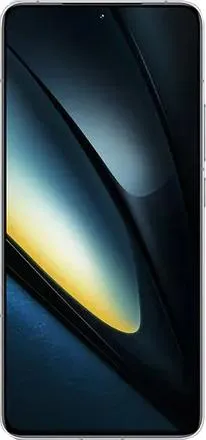
1. Specifications Comparison
| Feature | Xiaomi Redmi Note 12 Pro 4G | Xiaomi Poco F6 Pro | Practical Impact |
|---|---|---|---|
| Design | |||
| Dimensions (mm) | 164.2 x 76.1 x 8.1 | 160.9 x 75 x 8.2 | Poco F6 Pro is slightly shorter and narrower, potentially improving one-hand usability. |
| Weight (g) | 201.8 | 209 | Negligible weight difference in real-world usage. |
| Display | |||
| Display Type | AMOLED, 120Hz | AMOLED, 120Hz | Both offer smooth scrolling and animations thanks to the 120Hz refresh rate. |
| Resolution | 1080 x 2400 | 1440 x 3200 | Poco F6 Pro has a significantly sharper display with higher pixel density, resulting in crisper text and images. |
| Peak Brightness | 1100 nits | 4000 nits | Poco F6 Pro's much higher peak brightness ensures superior outdoor visibility. |
| HDR | Dolby Vision | Dolby Vision, HDR10+ | Poco F6 Pro supports wider HDR standards, offering potentially better video playback quality. |
| Performance | |||
| Chipset | Snapdragon 732G (8nm) | Snapdragon 8 Gen 2 (4nm) | Poco F6 Pro boasts a vastly more powerful and efficient processor, enabling significantly better performance in demanding tasks and gaming. |
| CPU | Octa-core (2x2.2 GHz Kryo 470 Gold & 6x1.8 GHz Kryo 470 Silver) | Octa-core (1x3.2 GHz Cortex-X3 & 2x2.8 GHz Cortex-A715 & 2x2.8 GHz Cortex-A710 & 3x2.0 GHz Cortex-A510) | The Poco F6 Pro's CPU architecture and clock speeds deliver a substantial performance advantage. |
| GPU | Adreno 618 | Adreno 740 | Poco F6 Pro has a much more capable GPU, leading to smoother gaming and faster graphics rendering. |
| RAM | 8GB | 12GB/16GB | Poco F6 Pro offers more RAM, allowing for better multitasking and smoother performance with demanding applications. |
| Camera | |||
| Main Camera | 108MP | 50MP | While the Redmi Note 12 Pro has a higher megapixel count, the Poco F6 Pro uses a larger sensor (1/1.55" vs 1/1.52") and wider aperture (f/1.6 vs f/1.9), potentially resulting in better low-light performance and image quality. |
| Video Recording | 4K@30fps | 8K@24fps | Poco F6 Pro offers higher resolution video recording capabilities. |
| Optical Stabilization | No | Yes | Poco F6 Pro includes optical image stabilization, leading to smoother videos and sharper images in low light. |
| Battery | |||
| Capacity | 5000mAh | 5000mAh | Similar battery capacities suggest comparable battery life, though real-world usage may vary due to processor efficiency differences. |
2. Key Differences Analysis
Xiaomi Redmi Note 12 Pro 4G Advantages:
- Potentially Lower Price: While both are in the "medium price" range, the Redmi Note 12 Pro likely sits at the lower end.
Xiaomi Poco F6 Pro Advantages:
- Significantly Superior Performance: The Snapdragon 8 Gen 2 chip offers a massive leap in processing power and efficiency compared to the Snapdragon 732G.
- Sharper and Brighter Display: Higher resolution and peak brightness provide a noticeably better visual experience.
- Enhanced Camera Capabilities: Larger sensor, wider aperture on the main camera, optical image stabilization, and 8K video recording capabilities.
- More Future-Proof: Newer OS version, 5G connectivity, and WiFi 7 support ensure longer software support and compatibility with emerging technologies.
3. User Profiles & Recommendations
Xiaomi Redmi Note 12 Pro 4G:
- Budget-conscious users: For those prioritizing affordability over top-tier performance.
- Light users: Suitable for everyday tasks like browsing, social media, and casual photography.
Xiaomi Poco F6 Pro:
- Power users: Ideal for demanding tasks, gaming, and content creation.
- Photography enthusiasts: The improved camera system and optical stabilization cater to users who prioritize mobile photography.
- Tech enthusiasts: Those who desire the latest hardware and software features.
4. Decision Framework
Key Questions for Buyers:
- What is your budget? The Redmi Note 12 Pro is likely more affordable.
- What are your primary smartphone usage patterns? Light users might find the Redmi Note 12 Pro sufficient, while power users will appreciate the Poco F6 Pro's performance.
- How important are camera quality and future-proofing? The Poco F6 Pro significantly outperforms in these areas.
My Choice: Xiaomi Poco F6 Pro
While the Redmi Note 12 Pro offers decent value for its likely lower price, the Poco F6 Pro is the clear winner for me. The significantly upgraded processor, sharper display, superior camera system with OIS, and future-proofing with 5G and newer OS make it a much more compelling device. The performance difference alone would drastically improve my daily usage experience, especially for tasks like gaming and photo editing. Even if the price difference is substantial, the long-term value and superior user experience offered by the Poco F6 Pro justify the investment.
