1. Specifications Comparison
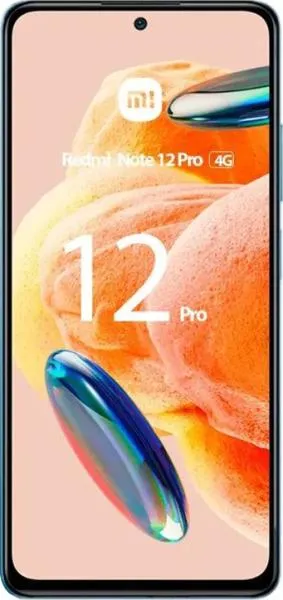
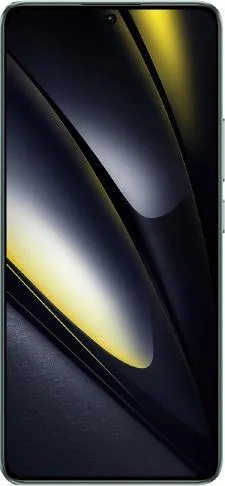
| Feature | Xiaomi Redmi Note 12 Pro 4G | Xiaomi Poco F6 | Practical Impact |
|---|---|---|---|
| Design | |||
| Dimensions (mm) | 164.2 x 76.1 x 8.1 | 160.5 x 74.5 x 8.0 | Poco F6 is slightly smaller and potentially more comfortable for one-handed use. |
| Weight (g) | 201.8 | 179 | Poco F6 is noticeably lighter, reducing hand fatigue during extended use. |
| Fingerprint Sensor | Side-mounted | Under-display | Preference-based, but under-display is often considered more modern. |
| Display | |||
| Size (inches) | 6.67 | 6.67 | Same size. |
| Resolution | 1080 x 2400 | 1220 x 2712 | Poco F6 has a sharper display with significantly higher pixel density, resulting in crisper text and images. |
| Type | AMOLED, 120Hz | AMOLED, 120Hz | Both offer smooth scrolling and vibrant colors thanks to AMOLED and 120Hz refresh rate. |
| Peak Brightness (nits) | 1100 | 2400 | Poco F6 can get much brighter, improving outdoor visibility. |
| HDR | Dolby Vision | HDR10+, Dolby Vision | Poco F6 supports a wider range of HDR standards. |
| Performance | |||
| Chipset | Snapdragon 732G (8nm) | Snapdragon 8s Gen 3 (4nm) | Poco F6 boasts a significantly more powerful processor built on a more advanced process node, leading to much faster performance, smoother multitasking, and better gaming capabilities. |
| CPU | Octa-core (2x2.2 GHz Kryo 470 Gold & 6x1.8 GHz Kryo 470 Silver) | Octa-core (1x3.0 GHz Cortex-X4 & 4x2.8 GHz Cortex-A720 & 3x2.0 GHz Cortex-A520) | Poco F6's CPU architecture is newer and more powerful. |
| GPU | Adreno 618 | Adreno 735 | Poco F6 offers a more capable GPU, translating to significantly improved graphics performance in demanding games and applications. |
| RAM | 8GB | 12GB (as tested) | More RAM in the Poco F6 allows for more apps to run in the background without performance slowdowns. |
| OS | Android 11 | Android 14 | Poco F6 ships with a newer Android version, offering more features, performance improvements, and longer security support. |
| Camera | |||
| Main Camera | 108MP | 50MP | Redmi Note 12 Pro has a higher megapixel count, but sensor size and other factors are more crucial for image quality; Poco F6 uses the Sony IMX882 known for good performance. |
| Video | 4K@30fps | 8K Video & 4K@60fps with EIS | Poco F6 offers higher resolution and frame rate video recording with Electronic Image Stabilization. |
| Battery | |||
| Capacity | 5000 mAh | 5000 mAh | Similar battery capacity. Real-world battery life will depend on usage and efficiency of the processors. |
2. Key Differences Analysis
Xiaomi Redmi Note 12 Pro 4G Advantages:
- Potentially Lower Price: Depending on the specific configuration and retailer, it might be cheaper.
- Higher Resolution Main Camera (Megapixels): While not the sole determinant of image quality, it might offer more detail in certain scenarios.
Xiaomi Poco F6 Advantages:
- Significantly Faster Performance: The Snapdragon 8s Gen 3 chip offers a major performance advantage for demanding tasks and gaming.
- Sharper Display: Higher resolution and pixel density result in a crisper viewing experience.
- Brighter Display: Better visibility in direct sunlight.
- More Recent Software: Android 14 offers features and security updates not available on Android 11.
- Better Video Recording: Higher resolution and frame rates with Electronic Image Stabilization.
- Lighter and More Compact: Noticeably more comfortable to hold and use.
3. User Profiles & Recommendations
Redmi Note 12 Pro 4G: Budget-conscious users who prioritize a large display and decent camera for everyday use, but are not heavy gamers or power users.
Poco F6: Users who prioritize performance, a smooth and sharp display, and future-proof software. Ideal for gamers, power users, and those who want the latest technology.
4. Decision Framework
Key Questions for Buyers:
- What is your budget? The Redmi Note 12 Pro 4G will likely be more affordable.
- What are your primary use cases? Gaming and demanding tasks favor the Poco F6.
- How important is software longevity and future updates? The Poco F6 with Android 14 is significantly better in this regard.
Scenario-Based Recommendations:
- Tight budget, casual usage: Redmi Note 12 Pro 4G
- Performance focused, gaming enthusiast: Poco F6
- Future-proof device with latest features: Poco F6
My Choice: Xiaomi Poco F6
While lacking specific camera sensor details for comprehensive comparison, the Poco F6 is the clear winner for me. The significantly superior processor, sharper and brighter display, newer Android version, and better video recording capabilities offer a vastly improved user experience. While the Redmi Note 12 Pro 4G might be more budget-friendly, the Poco F6's advantages in performance, longevity, and overall user experience justify the likely price difference for most users seeking a modern smartphone. The lighter weight and smaller form factor are also compelling benefits.
