
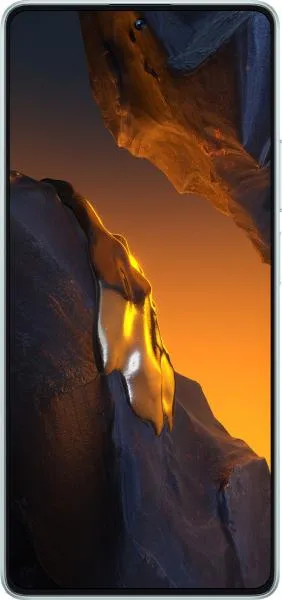
1. Specifications Comparison
| Feature | Xiaomi Redmi Note 12 Pro 4G | Xiaomi Poco F5 | Practical Impact |
|---|---|---|---|
| Design | |||
| Dimensions (mm) | 164.2 x 76.1 x 8.1 | 161.1 x 75 x 7.9 | Poco F5 is slightly smaller and more compact. |
| Weight (g) | 201.8 | 181 | Poco F5 is noticeably lighter, improving one-handed use. |
| Display | |||
| Size (inches) | 6.67 | 6.67 | Same screen size. |
| Resolution | 1080 x 2400 | 1080 x 2400 | Same resolution, sharpness is equal. |
| Type | AMOLED, 120Hz | AMOLED, 120Hz | Both offer smooth scrolling and vibrant colors. |
| HDR | Dolby Vision | Dolby Vision, HDR10+ | Poco F5 supports wider HDR standards for potentially better video playback. |
| Peak Brightness (nits) | 1100 | 1000 | Redmi Note 12 Pro might be slightly brighter outdoors. |
| Performance | |||
| Chipset | Snapdragon 732G (8nm) | Snapdragon 7+ Gen 2 (4nm) | Poco F5 has a significantly more powerful and efficient processor, leading to much better performance in demanding tasks and games. |
| CPU | Octa-core (2x2.2 GHz Kryo 470 Gold & 6x1.8 GHz Kryo 470 Silver) | Octa-core (1x2.91 GHz Cortex-X2 & 3x2.49 GHz Cortex-A710 & 4x1.8 GHz Cortex-A510) | Poco F5's CPU architecture is more modern and powerful. |
| GPU | Adreno 618 | Adreno 725 | Poco F5's GPU offers a substantial performance boost for gaming and graphics-intensive applications. |
| RAM (GB) | 8 | 8/12 | Both offer ample RAM, but Poco F5 offers a 12GB option for even smoother multitasking. |
| OS | Android 11 | Android 13 | Poco F5 comes with a newer OS version, offering more features and potentially longer software support. |
| Camera | |||
| Main Camera (MP) | 108 | 64 | Redmi Note 12 Pro has higher resolution, but sensor and image processing quality are crucial and not fully detailed here. |
| Ultrawide (MP) | 8 | 8 | Similar ultrawide resolution. |
| Macro (MP) | 5 | 2 | Redmi Note 12 Pro has a higher resolution macro lens. |
| Optical Stabilization | No | Yes | Poco F5 has OIS for significantly steadier videos and potentially better low-light photos. |
| Battery | |||
| Capacity (mAh) | 5000 | 5000 | Same battery capacity. Real-world battery life depends on optimization and usage. |
2. Key Differences Analysis
Xiaomi Redmi Note 12 Pro 4G Advantages:
- Potentially Brighter Display: Higher peak brightness may offer better outdoor visibility.
- Higher Resolution Main Camera: Potentially more detailed photos, but image quality depends on various factors not detailed in the specs.
Xiaomi Poco F5 Advantages:
- Significantly Faster Performance: The Snapdragon 7+ Gen 2 provides a substantial performance leap over the Snapdragon 732G.
- More Recent Software: Android 13 offers newer features and potentially longer software updates.
- Optical Image Stabilization: Enables steadier videos and improved low-light photography.
- Lighter and More Compact: Noticeably lighter and slightly smaller, improving handling.
- 5G Connectivity: Offers faster mobile data speeds and future-proofing.
3. User Profiles & Recommendations
Redmi Note 12 Pro 4G: Budget-conscious users prioritizing a bright display and a high-resolution main camera sensor. Suitable for everyday tasks, social media, and casual photography.
Poco F5: Users prioritizing performance, gaming, future-proof features (5G, newer Android version), and better video recording. Suitable for demanding tasks, mobile gaming, content creation, and those seeking a longer software update cycle.
4. Decision Framework
Key Questions for Buyers:
- What is your budget? The Redmi Note 12 Pro is generally more affordable.
- What are your performance needs? For demanding tasks and gaming, the Poco F5 is significantly better.
- How important is camera quality and features? The Poco F5 has OIS for better videos.
Scenario-Based Recommendations:
- Light user: Redmi Note 12 Pro is sufficient.
- Gamer/Power user: Poco F5 is strongly recommended.
- Photographer/Videographer: Poco F5 due to OIS, though more camera details would be needed for a definitive recommendation.
My Choice: Xiaomi Poco F5
The Poco F5 is the clear winner for me. The significantly improved performance thanks to the Snapdragon 7+ Gen 2, coupled with the newer Android version, 5G connectivity, and optical image stabilization, makes it a much more compelling device for long-term use. The slightly higher price is justified by the substantial upgrades in crucial areas. While the Redmi Note 12 Pro might offer a slightly brighter display and higher resolution main camera sensor, these advantages are overshadowed by the Poco F5's superior overall package. The lighter weight and more compact design are also welcome additions. The superior processor alone would sway me towards the Poco F5, guaranteeing a smoother and more future-proof experience.
