1. Specifications Comparison
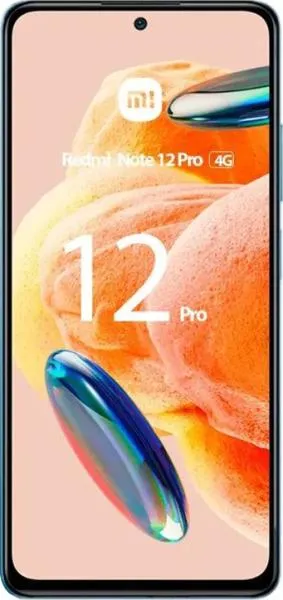
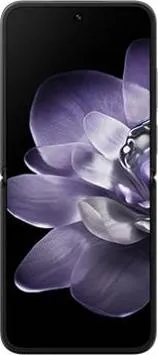
| Feature | Xiaomi Redmi Note 12 Pro 4G | Xiaomi Mix Flip | Practical Impact |
|---|---|---|---|
| Design | |||
| Dimensions (mm) | 164.2 x 76.1 x 8.1 | 167.5 x 74 x 7.6 | Mix Flip is slightly taller and narrower when unfolded, significantly more compact when folded. |
| Weight (g) | 201.8 | 190 | Mix Flip is noticeably lighter despite the larger display. |
| Foldable | No | Yes | Mix Flip offers greater portability and a unique form factor. |
| Display | |||
| Size (inches) | 6.67 | 6.86 | Mix Flip has a larger display area for more immersive content consumption. |
| Resolution (px) | 1080 x 2400 | 1224 x 2912 | Mix Flip boasts a sharper display with higher pixel density. |
| Type | AMOLED, 120Hz | Foldable LTPO AMOLED, 120Hz | Both offer smooth scrolling and animations, but Mix Flip's LTPO panel can dynamically adjust refresh rate for power saving. Foldable screen introduces a crease. |
| Peak Brightness (nits) | 1100 | 3000 | Mix Flip is significantly brighter, ensuring excellent outdoor visibility. |
| Performance | |||
| Chipset | Snapdragon 732G (8nm) | Snapdragon 8 Gen 3 (4nm) | Mix Flip offers vastly superior processing power and efficiency for demanding tasks and gaming. |
| CPU | Octa-core (2x2.2 GHz Kryo 470 Gold & 6x1.8 GHz Kryo 470 Silver) | Octa-core (1x3.3 GHz Cortex-X4 & 3x3.2 GHz Cortex-A720 & 2x3.0 GHz Cortex-A720 & 2x2.3 GHz Cortex-A520) | Mix Flip's CPU is significantly faster and more powerful. |
| GPU | Adreno 618 | Adreno 750 | Mix Flip provides a much better gaming and graphics-intensive application experience. |
| RAM (GB) | 8 | 12 | Mix Flip has more RAM for smoother multitasking and handling demanding applications. |
| Camera | |||
| Main Camera (MP) | 108 | 50 | Redmi Note 12 Pro has higher megapixel count, but Mix Flip likely uses a larger sensor and superior processing for potentially better image quality. |
| Video Recording | 4K@30fps | 8K@24fps | Mix Flip offers higher resolution video recording. |
| Battery | |||
| Capacity (mAh) | 5000 | 4780 | Redmi Note 12 Pro has a slightly larger battery, but Mix Flip's more efficient processor could potentially offer comparable battery life. |
2. Key Differences Analysis
Redmi Note 12 Pro 4G Advantages:
- Lower Price: Significantly more affordable.
- Larger Battery: Potentially longer battery life, though real-world usage depends on various factors.
Mix Flip Advantages:
- Significantly More Powerful: Much faster processor, GPU, and more RAM for a smoother and more responsive experience.
- Foldable Design: Offers portability and a unique user experience.
- Brighter and Sharper Display: Better outdoor visibility and more immersive content consumption.
- Higher Resolution Video Recording: Captures more detail in videos.
Trade-offs:
- Mix Flip's Price: The significantly higher price is a major consideration.
- Foldable Screen Crease: The Mix Flip's foldable screen will have a crease in the center.
- Battery Life Uncertainty: Despite the smaller battery, Mix Flip's efficiency could result in comparable battery life - real world testing needed.
3. User Profiles & Recommendations
Redmi Note 12 Pro 4G:
- Budget-conscious users: Prioritize affordability over top-tier performance.
- Casual users: Primarily use their phone for basic tasks like calling, texting, social media, and light gaming.
Mix Flip:
- Tech enthusiasts: Value cutting-edge technology and unique form factors.
- Power users: Demand top-tier performance for demanding tasks, gaming, and multitasking.
- Content creators: Benefit from the larger, brighter display and high-resolution video recording.
4. Decision Framework
Key Questions for Buyers:
- What is your budget? The Mix Flip commands a significantly higher price.
- What level of performance do you need? Casual users might find the Redmi Note 12 Pro sufficient.
- How important is portability and a unique form factor? The Mix Flip's foldable design is its key differentiator.
Scenario-Based Recommendations:
- Limited Budget: Redmi Note 12 Pro 4G
- Best Performance: Mix Flip
- Most Portable: Mix Flip
My Choice: Xiaomi Mix Flip
While significantly more expensive, the Xiaomi Mix Flip is the clear winner for me. Its cutting-edge processor, ample RAM, stunning display, and unique foldable design offer a superior user experience. The performance difference between the Snapdragon 732G and the 8 Gen 3 is substantial and would significantly impact daily usage. The foldable form factor, while introducing a crease, is a game changer for portability and multitasking. While battery life needs real world testing, the potential efficiency gains from the newer chipset and LTPO display could offset the slightly smaller battery capacity. I prioritize performance, innovation, and portability, making the Mix Flip the better choice despite the higher price.
