1. Specifications Comparison
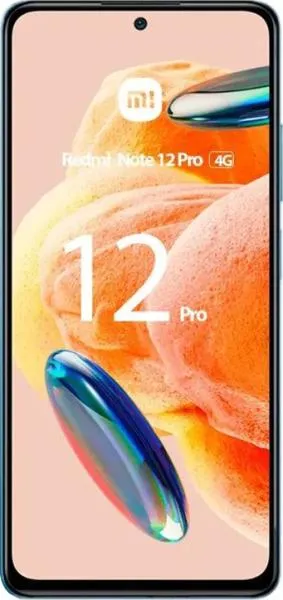
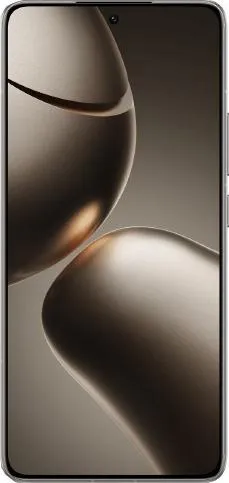
| Feature | Xiaomi Redmi Note 12 Pro 4G | Xiaomi 14T Pro | Practical Impact |
|---|---|---|---|
| Design | |||
| Dimensions (mm) | 164.2 x 76.1 x 8.1 | 160.4 x 75.1 x 8.4 | 14T Pro is slightly shorter and narrower, potentially improving one-handed use. |
| Weight (g) | 201.8 | 209 | Negligible weight difference in real-world usage. |
| Display | |||
| Size (inches) | 6.67 | 6.67 | Same screen size. |
| Resolution (px) | 1080 x 2400 | 1220 x 2712 | 14T Pro has a sharper display with noticeably higher pixel density, resulting in crisper text and images. |
| Refresh Rate (Hz) | 120 | 144 | 14T Pro offers a smoother experience, particularly in gaming and scrolling. |
| Peak Brightness (nits) | 1100 | 4000 | 14T Pro's significantly higher peak brightness ensures excellent outdoor visibility. |
| HDR | Dolby Vision | Dolby Vision, HDR10+ | 14T Pro supports a wider range of HDR content for a better viewing experience. |
| Performance | |||
| Chipset | Snapdragon 732G (8 nm) | Dimensity 9300+ (4 nm) | 14T Pro boasts a significantly more powerful and efficient processor, leading to faster app loading, smoother multitasking, and better gaming performance. |
| CPU | Octa-core (2x2.2 GHz Kryo 470 Gold & 6x1.8 GHz Kryo 470 Silver) | Octa-core (1x3.4 GHz Cortex-X4 & 3x2.85 GHz Cortex-X4 & 4x2.0 GHz Cortex-A720) | 14T Pro's CPU architecture provides a substantial performance advantage. |
| GPU | Adreno 618 | Immortalis-G720 MC12 | 14T Pro has a much more powerful GPU, enabling higher graphics settings and smoother gameplay in demanding games. |
| RAM (GB) | 8 | 12 | More RAM in the 14T Pro allows for more apps to run in the background without impacting performance. |
| Camera | |||
| Main Camera (MP) | 108 | 50 | While the Redmi Note 12 Pro has a higher megapixel count, the 14T Pro uses a larger sensor (1/1.31\" vs 1/1.52\") and wider aperture (f/1.6 vs f/1.9), likely resulting in better low-light performance and depth of field. Sensor model differences (Omnivision OVX9000 vs Samsung S5KHM2) make a direct comparison difficult without further analysis. |
| Ultrawide (MP) | 8 | 12 | 14T Pro offers a higher resolution ultrawide camera. |
| Telephoto (MP) | N/A | 50 | 14T Pro features a telephoto lens for optical zoom, which the Redmi Note 12 Pro lacks. |
| Video | 4K@30fps | 8K@30fps | 14T Pro can record video at a much higher resolution. |
| Battery | |||
| Capacity (mAh) | 5000 | 5000 | Same battery capacity. Actual battery life will depend on usage and the 14T Pro's more efficient processor might offer better longevity. |
2. Key Differences Analysis
Xiaomi 14T Pro Advantages:
- Significantly improved performance: The Dimensity 9300+ chipset, more RAM, and powerful GPU offer a substantial performance leap over the Redmi Note 12 Pro.
- Superior display: Higher resolution, refresh rate, and peak brightness result in a sharper, smoother, and more vibrant viewing experience.
- More versatile camera system: The inclusion of a telephoto lens and improvements to the main sensor provide greater flexibility for photography.
- Future-proof connectivity: Supports newer Wi-Fi and Bluetooth standards.
Xiaomi Redmi Note 12 Pro 4G Advantages:
- Potentially lower price: Given its older release date and less powerful specs, it is likely more affordable.
3. User Profiles & Recommendations
Xiaomi 14T Pro: Ideal for users who prioritize performance, a high-quality display, and a versatile camera system. Suitable for demanding tasks like gaming, video editing, and content creation.
Xiaomi Redmi Note 12 Pro 4G: Suitable for users on a tighter budget who primarily use their phone for everyday tasks like browsing, social media, and light gaming.
4. Decision Framework
Key Questions for Buyers:
- What is your budget? The 14T Pro is expected to be significantly more expensive.
- What are your primary phone usage patterns? For basic tasks, the Redmi Note 12 Pro might suffice. For demanding tasks, the 14T Pro is a better choice.
- How important is camera quality and versatility? The 14T Pro offers a more capable camera system.
My Choice: Xiaomi 14T Pro
While the Redmi Note 12 Pro 4G is likely a good budget option, the Xiaomi 14T Pro is the clear winner for me. The substantial upgrades in performance, display, and camera make it a much more compelling device. The Dimensity 9300+ offers a significant performance leap, ensuring a smooth and responsive experience for years to come. The improved display and camera system further enhance the user experience. While the price difference will be a factor, the 14T Pro's superior features and future-proofing justify the higher cost for my needs. I value a smooth, responsive phone with a great display and camera, and the 14T Pro delivers on all fronts.
