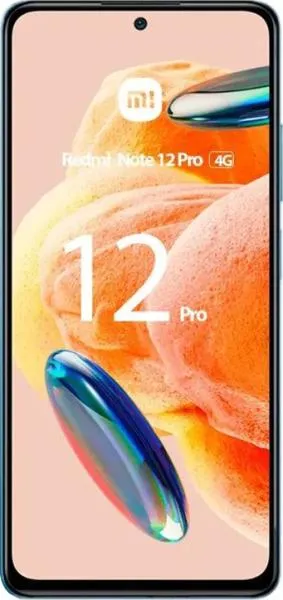
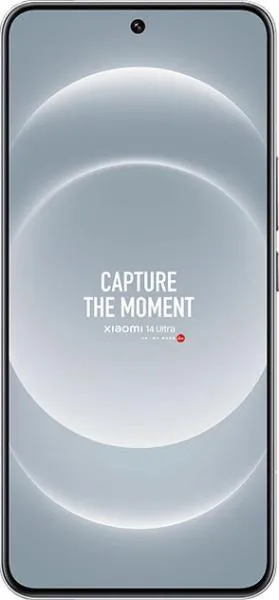
1. Specifications Comparison
| Feature | Xiaomi Redmi Note 12 Pro 4G | Xiaomi 14 Ultra | Practical Impact |
|---|---|---|---|
| Design | |||
| Dimensions (mm) | 164.2 x 76.1 x 8.1 | 161.4 x 75.3 x 9.2 | The 14 Ultra is slightly shorter and narrower, but thicker and heavier. The Redmi is more pocketable, while the 14 Ultra feels more premium. |
| Weight (g) | 201.8 | 229.5 | Noticeable weight difference; Redmi is lighter for extended use. |
| Display | |||
| Size (inches) | 6.67 | 6.73 | Negligible size difference in real-world usage. |
| Resolution | 1080 x 2400 | 1440 x 3200 | 14 Ultra has a significantly sharper display, noticeable in text clarity and image detail. |
| Refresh Rate | 120Hz | 120Hz | Both offer smooth scrolling and animations. |
| Panel Type | AMOLED | LTPO AMOLED | 14 Ultra's LTPO panel allows for dynamic refresh rate adjustment, potentially saving battery. |
| Peak Brightness | 1100 nits | 3000 nits | 14 Ultra offers exceptional outdoor visibility, even in direct sunlight. |
| Performance | |||
| Chipset | Snapdragon 732G (8nm) | Snapdragon 8 Gen 3 (4nm) | Massive performance difference. 14 Ultra handles demanding tasks and gaming significantly better. |
| CPU | Octa-core (2x2.2 GHz Kryo 470 Gold & 6x1.8 GHz Kryo 470 Silver) | Octa-core (1x3.3 GHz Cortex-X4 & 3x3.2 GHz Cortex-A720 & 2x3.0 GHz Cortex-A720 & 2x2.3 GHz Cortex-A520) | 14 Ultra's newer and more powerful CPU architecture delivers superior speed and efficiency. |
| GPU | Adreno 618 | Adreno 750 | 14 Ultra offers a significant leap in graphics performance for smoother gaming and faster rendering. |
| RAM | 8GB | 16GB | 14 Ultra's double the RAM allows for more apps to run in the background without reloading, resulting in smoother multitasking. |
| Camera | |||
| Main Camera | 108MP | 50MP (1-inch sensor) | While the Redmi has higher resolution, the 14 Ultra's larger sensor likely captures more light and detail, especially in low light. Leica lens collaboration may further enhance image quality on the 14 Ultra. |
| Video Recording | 4K@30fps | 8K@30fps | 14 Ultra offers much higher resolution video recording. |
| Battery | |||
| Capacity | 5000 mAh | 5000 mAh | Similar battery capacity. However, 14 Ultra's more efficient processor and LTPO display could potentially result in longer battery life. |
| Charging Speed | Not specified | Not specified | Cannot compare charging speeds without further information. |
2. Key Differences Analysis
Xiaomi 14 Ultra Advantages:
- Significantly more powerful: Superior processor, GPU, and more RAM provide a vastly improved user experience for demanding tasks, multitasking, and gaming.
- Better display: Higher resolution, brighter, and with LTPO technology for improved power efficiency.
- Superior camera system: Larger sensor, Leica collaboration, and 8K video recording capabilities suggest better image and video quality.
- More future-proof: Newer Android version with longer promised updates, 5G connectivity, and Wi-Fi 7 support.
Xiaomi Redmi Note 12 Pro 4G Advantages:
- Lighter and more pocketable: Easier to hold and carry for extended periods.
- Lower price: Offers good value for its features.
Trade-offs:
- The Redmi Note 12 Pro 4G sacrifices performance, display quality, and camera capabilities for a lower price and lighter weight.
- The 14 Ultra sacrifices pocketability and affordability for top-tier performance and features.
3. User Profiles & Recommendations
Xiaomi 14 Ultra: Users who prioritize performance, a top-tier display, excellent camera capabilities, future-proofing, and are willing to pay a premium. Ideal for power users, mobile gamers, content creators, and photography enthusiasts.
Xiaomi Redmi Note 12 Pro 4G: Users on a budget who prioritize basic smartphone functionalities, a lightweight design, and good battery life. Suitable for casual users primarily focused on communication, social media, and light content consumption.
4. Decision Framework
Key Questions:
- What is your budget? The 14 Ultra is significantly more expensive.
- What are your primary smartphone usage patterns? Heavy multitasking, gaming, and content creation lean towards the 14 Ultra. Basic communication and light usage favor the Redmi.
- How important are camera quality and future-proofing? The 14 Ultra excels in these areas.
My Choice: Xiaomi 14 Ultra
While the Redmi Note 12 Pro 4G offers good value, the Xiaomi 14 Ultra is the clear winner for me. Its superior performance, stunning display, advanced camera system, and future-proof features make it a compelling device. The significant jump in processing power, RAM, and the inclusion of 5G and WiFi 7 ensure a smooth and long-lasting user experience. While the price is higher, the substantial improvements across all key areas justify the premium for a power user like myself. The improved camera capabilities with the Leica collaboration are particularly attractive. The weight difference is negligible considering the substantial performance gains.
