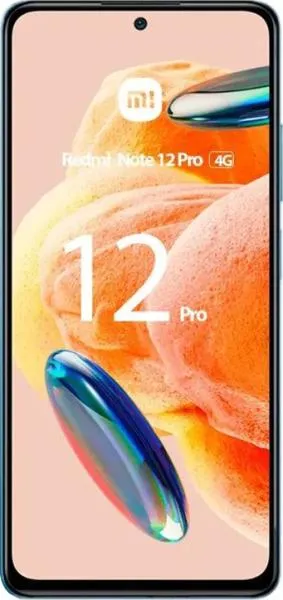
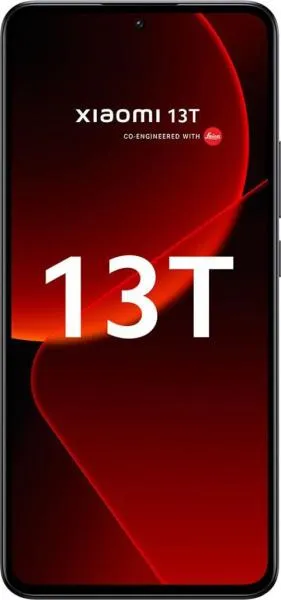
1. Specifications Comparison
| Feature | Xiaomi Redmi Note 12 Pro 4G | Xiaomi 13T | Practical Impact |
|---|---|---|---|
| Design | |||
| Dimensions (mm) | 164.2 x 76.1 x 8.1 | 162.2 x 75.7 x 8.5 | 13T is slightly shorter and narrower, but a bit thicker. Negligible difference in hand feel. |
| Weight (g) | 201.8 | 193 | 13T is slightly lighter, potentially more comfortable for extended use. |
| Fingerprint Sensor | Side-mounted | Under display | Personal preference; under-display often perceived as more modern. |
| Display | |||
| Size (inches) | 6.67 | 6.67 | Identical screen sizes. |
| Resolution | 1080 x 2400 | 1220 x 2712 | 13T has a sharper, more detailed display due to higher resolution. Noticeable in everyday use, especially for media consumption. |
| Refresh Rate (Hz) | 120 | 144 | 13T offers smoother scrolling and animations, beneficial for gaming and fast-paced content. |
| Peak Brightness (nits) | 1100 | 2600 | 13T significantly brighter, drastically improving outdoor visibility. |
| Display Type | AMOLED | AMOLED | Both offer vibrant colors and deep blacks. |
| HDR Support | Dolby Vision | Dolby Vision, HDR10+ | 13T supports wider HDR formats for enhanced video playback experience on compatible content. |
| Performance | |||
| Chipset | Snapdragon 732G (8nm) | Dimensity 8200 Ultra (4nm) | 13T has a significantly more powerful and efficient processor, leading to much faster performance in demanding tasks and games, with better battery life. |
| CPU | Octa-core (2x2.2 GHz + 6x1.8 GHz) | Octa-core (1x3.1 GHz + 3x3.0 GHz + 4x2.0 GHz) | 13T's CPU offers superior performance due to higher clock speeds and more powerful cores. |
| GPU | Adreno 618 | Mali-G610 MC6 | 13T possesses a much more capable GPU for significantly better gaming and graphics performance. |
| RAM (GB) | 8 | 8/12 | Configurations vary; 12GB on 13T provides better multitasking capabilities. |
| OS | Android 11 | Android 13 | 13T comes with a newer Android version, offering potential feature and security advantages, along with longer software support lifespan. |
| Camera | |||
| Main Camera (MP) | 108 | 50 | While Redmi has higher megapixel count, 13T uses a larger sensor (Sony IMX707) known for excellent low-light performance and dynamic range. Image quality likely superior on 13T. |
| Telephoto | No | Yes (50MP) | 13T offers optical zoom for better quality zoomed shots. |
| Ultrawide (MP) | 8 | 13 | 13T's ultrawide offers higher resolution. |
| Video Recording | 4K@30fps | 4K@30fps with HDR, EIS | 13T offers HDR and EIS for improved video quality and stability. |
| Battery | |||
| Capacity (mAh) | 5000 | 5000 | Identical battery capacities. However, the 13T's more efficient chipset likely translates to longer real-world battery life. |
2. Key Differences Analysis
Xiaomi 13T Advantages:
- Significantly better performance: The Dimensity 8200 Ultra surpasses the Snapdragon 732G in CPU and GPU performance, resulting in a smoother, faster experience.
- Superior display: Higher resolution, refresh rate, and peak brightness deliver a noticeable improvement in sharpness, fluidity, and outdoor visibility.
- More advanced camera system: The larger sensor, telephoto lens, and improved video recording capabilities make the 13T a more versatile camera phone.
- Newer software: Android 13 offers the latest features and longer-term software updates.
- Faster connectivity: Wi-Fi 7 and Bluetooth 5.3 provide faster and more stable wireless connections.
Xiaomi Redmi Note 12 Pro 4G Advantages:
- Potentially lower price: Depending on the specific configuration and market, the Redmi Note 12 Pro 4G may be more affordable.
3. User Profiles & Recommendations
Xiaomi 13T: Users who prioritize performance, a high-quality display, a versatile camera, and the latest software features. Ideal for gamers, power users, and content creators.
Xiaomi Redmi Note 12 Pro 4G: Budget-conscious users who primarily use their phones for basic tasks like calling, texting, browsing, and social media, and don't require the absolute best performance or camera.
4. Decision Framework
Key Questions for Buyers:
- What is your budget? The 13T is positioned in a higher price bracket.
- What are your primary smartphone usage patterns? Gaming, photography/videography, heavy multitasking will benefit more from the 13T.
- How important is future-proofing? The 13T with newer hardware and software will remain relevant for longer.
My Choice: Xiaomi 13T
While the Redmi Note 12 Pro 4G offers good value for its price, the Xiaomi 13T provides a significant upgrade in almost every aspect, including performance, display, camera, and software. The superior user experience offered by the 13T, thanks to its powerful processor, stunning display, and versatile camera system, justifies the price difference for me. The longer software support lifespan also ensures the device will remain relevant for a longer period. While price is always a factor, the noticeable enhancements across the board make the 13T a more compelling choice for a long-term investment.
