1. Specifications Comparison
| Feature | Xiaomi Redmi Note 12 Pro 4G | Xiaomi 13 Ultra | Practical Impact |
|---|---|---|---|
| Design | |||
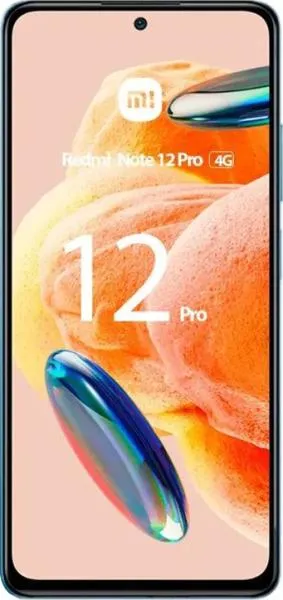
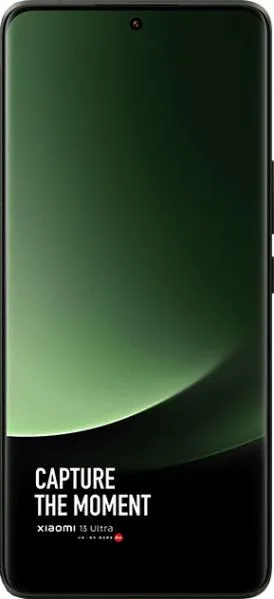
| Dimensions (mm) | 164.2 x 76.1 x 8.1 | 163.2 x 74.6 x 9.1 | 13 Ultra slightly shorter, narrower, but thicker. Negligible difference in hand feel. |
| Weight (g) | 201.8 | 227 | 13 Ultra noticeably heavier, potentially impacting one-hand use. |
| Build | Unspecified | Unspecified | Build quality and materials unknown, limiting comparison. |
| Display | |||
| Size (inches) | 6.67 | 6.73 | Virtually identical screen sizes. |
| Resolution | 1080 x 2400 | 1440 x 3200 | 13 Ultra significantly sharper due to higher resolution (QHD+ vs. FHD+). Noticeable difference in clarity, especially for text and images. |
| Refresh Rate | 120Hz | 120Hz | Both offer smooth scrolling and animations. |
| Panel Type | AMOLED | LTPO AMOLED | 13 Ultra's LTPO panel allows for dynamic refresh rate adjustment, potentially saving battery. |
| Peak Brightness | 1100 nits | 2600 nits | 13 Ultra far brighter, significantly improving outdoor visibility. |
| Performance | |||
| Chipset | Snapdragon 732G | Snapdragon 8 Gen 2 | 13 Ultra vastly more powerful, enabling smoother multitasking, demanding gaming, and faster app loading. |
| CPU | Octa-core (2x2.2 GHz Kryo 470 Gold & 6x1.8 GHz Kryo 470 Silver) | Octa-core (1x3.2 GHz Cortex-X3 & 2x2.8 GHz Cortex-A715 & 2x2.8 GHz Cortex-A710 & 3x2.0 GHz Cortex-A510) | 13 Ultra's CPU offers significant performance gains in speed and efficiency. |
| GPU | Adreno 618 | Adreno 740 | 13 Ultra's GPU offers a substantial upgrade in graphics performance, crucial for high-end gaming. |
| RAM | 8GB | 12GB/16GB | 13 Ultra offers more RAM, improving multitasking and overall system responsiveness. |
| Camera | |||
| Main Camera | 108MP | 50MP (1-inch sensor) | Despite lower resolution, 13 Ultra likely produces better images due to its larger sensor size, capturing more light and detail. Variable aperture offers greater control over depth of field. |
| Other Cameras | Wide, Macro, Depth | Wide, 3x Telephoto, 5x Periscope Telephoto | 13 Ultra offers significantly more versatile camera system with high-quality telephoto options for optical zoom. |
| Video Recording | 4K@30fps | 8K@24fps | 13 Ultra capable of higher resolution video recording and more advanced features like Dolby Vision HDR. |
| Battery | |||
| Capacity | 5000 mAh | 5000 mAh | Similar battery capacities. 13 Ultra's LTPO display might provide slightly better battery life due to dynamic refresh rate. |
| Charging Speed | Unspecified | Unspecified | Charging speed comparison impossible due to missing information. |
2. Key Differences Analysis
Xiaomi Redmi Note 12 Pro 4G Advantages:
- Lower Price: Significantly more affordable.
Xiaomi 13 Ultra Advantages:
- Superior Performance: Significantly faster and more powerful for demanding tasks and gaming.
- Better Display: Sharper, brighter, and more power-efficient display.
- More Versatile Camera System: Leica-tuned lenses, larger sensor, variable aperture, and optical zoom provide superior image quality and creative control.
- Faster Connectivity: Supports 5G, Wi-Fi 6, and Bluetooth 5.3.
3. User Profiles & Recommendations
Redmi Note 12 Pro 4G: Budget-conscious users prioritizing essential features like a good display and decent performance for everyday tasks.
Xiaomi 13 Ultra: Power users, photographers, videographers, and mobile gamers who demand top-tier performance, the best display, and a cutting-edge camera system.
4. Decision Framework
Key Questions for Buyers:
- What is your budget? The Redmi Note 12 Pro is a mid-range option, while the 13 Ultra is a premium flagship.
- What are your primary use cases? For basic tasks like social media, web browsing, and casual gaming, the Redmi Note 12 Pro is sufficient. For demanding tasks, photography, and gaming, the 13 Ultra is a better choice.
- How important is camera quality? The 13 Ultra offers a significant upgrade in camera capabilities.
My Choice: Xiaomi 13 Ultra
While significantly more expensive, the Xiaomi 13 Ultra offers a compelling combination of top-tier performance, a stunning display, and a truly exceptional camera system. The Snapdragon 8 Gen 2, combined with ample RAM, ensures a smooth and responsive user experience. The bright, high-resolution LTPO AMOLED display is visually impressive. The Leica-tuned camera system, headlined by the 1-inch sensor and variable aperture, provides unparalleled image quality and creative control. While the Redmi Note 12 Pro is a solid mid-range option, the 13 Ultra's advancements justify the premium for users who demand the best possible mobile experience. The superior performance, future-proof connectivity, and exceptional camera make it a worthwhile investment for the long term.
