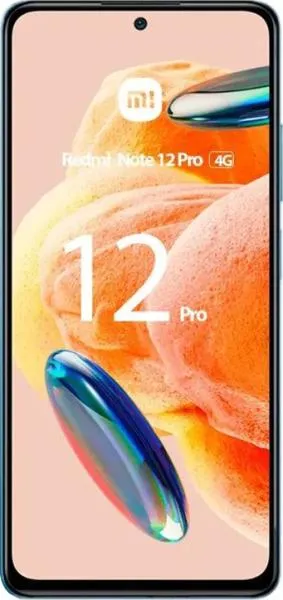

1. Specifications Comparison
| Feature | Xiaomi Redmi Note 12 Pro 4G | vivo V30 | Practical Impact |
|---|---|---|---|
| Design | |||
| Dimensions (mm) | 164.2 x 76.1 x 8.1 | 164.4 x 75.1 x 7.5 | Virtually identical in size, but the Vivo V30 is slightly thinner and lighter. |
| Weight (g) | 201.8 | 186 | The Vivo V30 is noticeably lighter, improving one-handed use and portability. |
| Display | |||
| Size (inches) | 6.67 | 6.78 | The Vivo V30 has a slightly larger display, offering a more immersive experience for media consumption. |
| Resolution | 1080 x 2400 | 1260 x 2800 | The Vivo V30 boasts a sharper display with higher pixel density (453 ppi vs 395 ppi), resulting in crisper text and images. |
| Type | AMOLED, 120Hz | AMOLED, 120Hz | Both offer smooth scrolling and animations thanks to the 120Hz refresh rate, vibrant colors, and deep blacks due to AMOLED technology. |
| HDR | Dolby Vision | HDR10+ | Both support HDR standards for enhanced video dynamic range; however, content availability may vary between Dolby Vision and HDR10+. |
| Performance | |||
| Chipset | Snapdragon 732G (8nm) | Snapdragon 7 Gen 3 (4nm) | The Vivo V30 utilizes a significantly more powerful and efficient processor, leading to smoother performance, better multitasking, and improved battery life. |
| CPU | Octa-core (2x2.2 GHz Kryo 470 Gold & 6x1.8 GHz Kryo 470 Silver) | Octa-core (1x2.63 GHz Cortex-A715 & 3x2.4 GHz Cortex-A715 & 4x1.8 GHz Cortex-A510) | The Vivo V30's CPU architecture offers superior performance, especially in demanding tasks and gaming. |
| GPU | Adreno 618 | Adreno 720 | The Vivo V30's GPU provides a substantial upgrade in graphics performance, enabling smoother gaming and faster rendering. |
| RAM | 8GB | 8GB | Both phones offer the same amount of RAM, sufficient for most multitasking needs. |
| OS | Android 11 | Android 14 | The Vivo V30 ships with a much newer Android version, offering access to the latest features, security updates, and potentially longer software support. |
| Camera | |||
| Rear Camera | 108MP Main, 8MP Ultrawide, 2MP Depth, 5MP Macro | 50MP Main, 50MP Ultrawide | While the Redmi Note 12 Pro has a higher megapixel count on the main sensor, the Vivo V30's newer sensor technology and potentially superior image processing could deliver better overall image quality. The lack of detailed sensor information for the Vivo V30 makes a definitive comparison challenging. |
| Front Camera | 16MP | 50MP | The Vivo V30 boasts a higher resolution front camera, potentially capturing more detailed selfies. |
| Video | 4K@30fps | 4K@30fps with EIS | Both can record 4K video, but the Vivo V30 features Electronic Image Stabilization (EIS) for smoother footage. |
| Battery | |||
| Capacity | 5000 mAh | 5000 mAh | Both phones have the same battery capacity, but the Vivo V30's more efficient processor might translate to longer real-world battery life. |
2. Key Differences Analysis
Xiaomi Redmi Note 12 Pro 4G Advantages:
- Potentially Lower Price: Likely more affordable given older release date and less powerful specs.
- Higher Resolution Main Camera: 108MP main sensor potentially captures more detail in ideal lighting conditions.
vivo V30 Advantages:
- Significantly Better Performance: The Snapdragon 7 Gen 3 offers a considerable performance advantage over the Snapdragon 732G.
- Sharper Display: Higher resolution and pixel density provide a noticeably better visual experience.
- More Up-to-Date Software: Android 14 provides newer features and longer software support.
- Superior GPU: Adreno 720 offers much better gaming and graphics performance.
- Lighter and Thinner: More comfortable to hold and carry.
- Video Stabilization: EIS ensures smoother video recording.
3. User Profiles & Recommendations
Xiaomi Redmi Note 12 Pro 4G: Budget-conscious users prioritizing a high-resolution main camera and acceptable performance for everyday tasks.
vivo V30: Users seeking a powerful and future-proof device with a great display, excellent performance for demanding apps and gaming, and the latest Android features.
4. Decision Framework
Key Questions for Buyers:
- What is your budget? The Redmi Note 12 Pro 4G is likely significantly cheaper.
- What are your performance needs? For demanding gaming or multitasking, the Vivo V30 is vastly superior.
- How important is software longevity? The Vivo V30, with Android 14, will receive updates for longer.
My Choice: vivo V30
While pricing information is incomplete, the vivo V30 is the superior device due to its significantly more powerful processor, better GPU, sharper display, newer Android version (with longer support), lighter design, and video stabilization. Even if the price is considerably higher, the performance and longevity advantages of the Vivo V30 make it a much better long-term investment for most users. The Redmi Note 12 Pro 4G only offers a slight advantage in main camera resolution (which might not translate to better real-world photos due to older sensor technology) and a potentially lower price. Unless budget is extremely tight, the Vivo V30's advantages outweigh the Redmi's in almost every aspect.
