1. Specifications Comparison
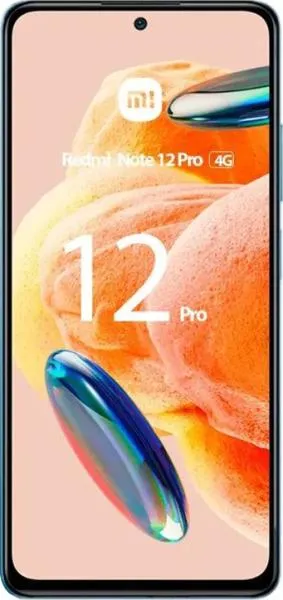
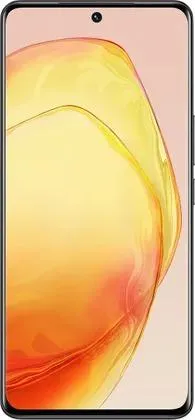
| Feature | Xiaomi Redmi Note 12 Pro 4G | vivo V29 | Practical Impact |
|---|---|---|---|
| Design | |||
| Dimensions (mm) | 164.2 x 76.1 x 8.1 | 164.2 x 74.4 x 7.5 | Virtually identical height, V29 slightly narrower and thinner |
| Weight (g) | 201.8 | 186 | V29 noticeably lighter, improving one-handed use |
| Fingerprint Sensor | Side-mounted | Under-display | Preference-based, under-display often perceived as more modern |
| Display | |||
| Size (inches) | 6.67 | 6.78 | V29 slightly larger, minimal difference in real-world usage |
| Resolution | 1080 x 2400 | 1260 x 2800 | V29 sharper due to higher resolution and pixel density |
| Type | AMOLED, 120Hz | AMOLED, 120Hz | Both offer smooth scrolling and vibrant colors |
| HDR | Dolby Vision | HDR10+ | Both support HDR, offering improved dynamic range in compatible content. Minor differences in specific HDR formats. |
| Peak Brightness (nits) | 1100 | 1300 | V29 brighter, enhancing outdoor visibility |
| Performance | |||
| Chipset | Snapdragon 732G (8nm) | Snapdragon 778G 5G (6nm) | V29 significantly faster and more efficient due to newer, more powerful chipset and 5G connectivity |
| CPU | Octa-core (2x2.2 GHz Kryo 470 Gold & 6x1.8 GHz Kryo 470 Silver) | Octa-core (1x2.4 GHz Cortex-A78 & 3x2.2 GHz Cortex-A78 & 4x1.9 GHz Cortex-A55) | V29's CPU architecture offers better performance |
| GPU | Adreno 618 | Adreno 642L | V29 offers significantly better gaming and graphics performance |
| RAM | 8GB | 8GB | Same RAM capacity |
| OS | Android 11 | Android 13 | V29 ships with a newer OS version, offering potential feature and security advantages; also confirmed upgradable to Android 16 |
| Camera | |||
| Main Camera | 108MP | 50MP | Redmi higher resolution, Vivo potentially better low-light performance due to likely larger sensor (unspecified) |
| Ultrawide | 8MP | 8MP | Similar resolution |
| Selfie Camera | 16MP | 50MP | V29 significantly higher resolution for selfies |
| Optical Stabilization | No | Yes | V29 offers significantly more stable video recording and potentially sharper low-light images |
| Battery | |||
| Capacity | 5000 mAh | 4600 mAh | Redmi larger battery capacity, potentially longer battery life. V29's more efficient chipset could offset this difference. |
2. Key Differences Analysis
Xiaomi Redmi Note 12 Pro 4G Advantages:
- Larger battery: Potentially longer battery life.
- Higher resolution main camera: Potentially more detailed photos in good lighting.
vivo V29 Advantages:
- Significantly faster and more efficient processor: Smoother multitasking, better gaming, and improved power efficiency.
- 5G connectivity: Faster data speeds and improved network reliability in areas with 5G coverage.
- Newer Android version: Access to newer features and improved security. Guaranteed updates to Android 16.
- Higher resolution display: Sharper visuals.
- Brighter display: Better outdoor visibility.
- Lighter and slimmer design: Improved handling and portability.
- Optical Image Stabilization: Dramatically improved video quality and low light performance.
- Higher resolution selfie camera: Significantly better quality selfies.
Trade-offs:
- The Redmi Note 12 Pro 4G's larger battery might be offset by the less efficient processor.
- The V29's smaller battery might be compensated for by a significantly more power-efficient processor.
3. User Profiles & Recommendations
Xiaomi Redmi Note 12 Pro 4G: Budget-conscious users prioritizing battery life and a high-resolution main camera. Suitable for basic tasks like web browsing, social media, and casual photography.
vivo V29: Users who value performance, future-proofing (OS updates and 5G), a superior display, and overall camera quality, especially for video recording and selfies. Suitable for demanding tasks, gaming, and content creation.
4. Decision Framework
Key Questions for Buyers:
- What is your budget? The Redmi is significantly cheaper.
- Is 5G connectivity important to you? Only the V29 offers 5G.
- What are your primary use cases? The V29 is better for demanding tasks and content creation; the Redmi is sufficient for basic usage.
My Choice: vivo V29
While the Redmi Note 12 Pro 4G offers a larger battery and higher resolution main camera on paper, the vivo V29 provides a significantly better overall package. The superior processor, 5G connectivity, newer Android version with guaranteed future updates, higher quality display, lighter design, and optical image stabilization for the camera make it a much more compelling device for long-term use. The performance and future-proofing alone justify the price difference for most users. The significantly better selfie camera and inclusion of optical image stabilization are major factors as well. While battery life is a concern, the more efficient chipset in the V29 may result in comparable real-world usage.
