1. Specifications Comparison
| Feature | Xiaomi Redmi Note 12 Pro 4G | vivo iQOO 12 | Practical Impact |
|---|---|---|---|
| Design | |||
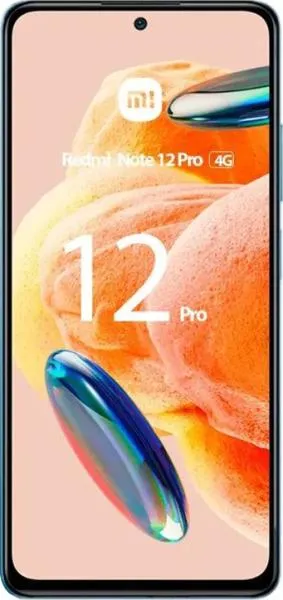
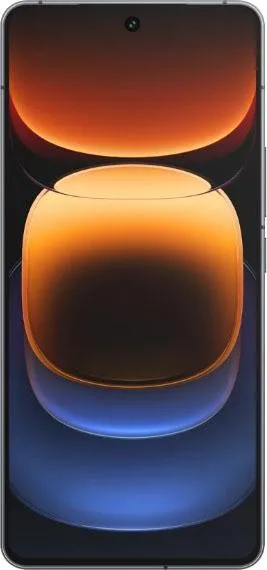
| Dimensions (mm) | 164.2 x 76.1 x 8.1 | 163.2 x 75.9 x 8.1 | Virtually identical in size and feel. |
| Weight (g) | 201.8 | 198.5 | Negligible weight difference. |
| Display | |||
| Size (inches) | 6.67 | 6.78 | iQOO 12 offers slightly more screen real estate. |
| Resolution | 1080 x 2400 | 1260 x 2800 | iQOO 12 has a sharper display with higher pixel density (453 ppi vs 395 ppi), resulting in crisper text and images. |
| Refresh Rate (Hz) | 120 | 144 | iQOO 12's higher refresh rate provides smoother scrolling and animations, especially noticeable in gaming and fast-paced content. |
| Display Type | AMOLED | LTPO AMOLED | Both offer vibrant colors and deep blacks. LTPO on the iQOO 12 allows for dynamic refresh rate adjustment, potentially saving battery. |
| Peak Brightness (nits) | 1100 | 3000 | iQOO 12 is significantly brighter, ensuring better visibility outdoors. |
| Performance | |||
| Chipset | Snapdragon 732G (8nm) | Snapdragon 8 Gen 3 (4nm) | iQOO 12 boasts a vastly superior processor, translating to significantly faster performance in demanding tasks, multitasking, and gaming. |
| CPU | Octa-core (2x2.2 GHz Kryo 470 Gold & 6x1.8 GHz Kryo 470 Silver) | Octa-core (1x3.3 GHz Cortex-X4 & 3x3.2 GHz Cortex-A720 & 2x3.0 GHz Cortex-A720 & 2x2.3 GHz Cortex-A520) | The 8 Gen 3 in the iQOO 12 provides a substantial performance leap over the 732G, enabling smoother operation and faster app loading. |
| RAM (GB) | 8 | 16 | More RAM in the iQOO 12 allows for seamless multitasking and keeping more apps open in the background without performance slowdowns. |
| OS | Android 11 | Android 14 | iQOO 12 comes with a newer Android version, offering the latest features, security updates, and potentially longer software support. |
| Camera | |||
| Main Camera (MP) | 108 | 50 | While the Redmi Note 12 Pro has a higher megapixel count, the iQOO 12 utilizes a larger sensor (1/1.3\" vs 1/1.52\") with larger pixels, likely resulting in better low-light performance and dynamic range. |
| Video Recording | 4K@30fps | 8K@30fps | iQOO 12 offers higher resolution video recording. |
| Battery | |||
| Capacity (mAh) | 5000 | 5000 | Similar battery capacity, but real-world battery life will depend on optimization and the more power-efficient chip in the iQOO 12. |
2. Key Differences Analysis
Xiaomi Redmi Note 12 Pro 4G Advantages:
- Potentially Lower Price: Likely more affordable than the iQOO 12.
vivo iQOO 12 Advantages:
- Significantly Faster Performance: The Snapdragon 8 Gen 3 offers a massive performance advantage for demanding tasks and gaming.
- Sharper and Brighter Display: Higher resolution, refresh rate, and peak brightness contribute to a superior visual experience.
- Newer Software: Android 14 provides the latest features and security updates.
- Superior Camera System: Likely better low-light performance and dynamic range thanks to a larger sensor and advanced features.
- Future-Proofing: 5G connectivity, Wi-Fi 7, and Bluetooth 5.4 ensure the device remains relevant for longer.
3. User Profiles & Recommendations
Xiaomi Redmi Note 12 Pro 4G: Suitable for budget-conscious users who prioritize basic smartphone functionality, casual gaming, and everyday tasks.
vivo iQOO 12: Ideal for power users, gamers, and those who demand top-tier performance, a stunning display, and the latest features. Excellent for photography enthusiasts as well.
4. Decision Framework
Key Questions for Buyers:
- What is your budget? The Redmi Note 12 Pro is expected to be significantly cheaper.
- What is your primary use case? For demanding tasks and gaming, the iQOO 12 is vastly superior. For basic use, the Redmi Note 12 Pro may suffice.
- How important are future-proofing and software updates? The iQOO 12 offers newer technology and longer software support.
My Choice: vivo iQOO 12
While the Redmi Note 12 Pro 4G might be a decent budget option, the vivo iQOO 12 offers a significantly superior overall package. The massive performance difference due to the Snapdragon 8 Gen 3, coupled with the sharper display, better camera system, newer Android version, and future-proof connectivity make it the clear winner for me. Even if the iQOO 12 comes at a premium, the substantial upgrade in performance and features justifies the higher cost for a user who values a smooth, powerful, and feature-rich smartphone experience. The longer software support and 5G connectivity also contribute to better long-term value.
