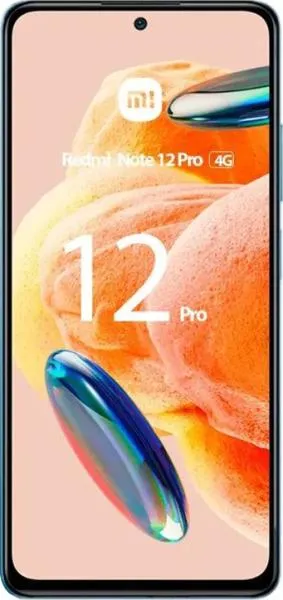
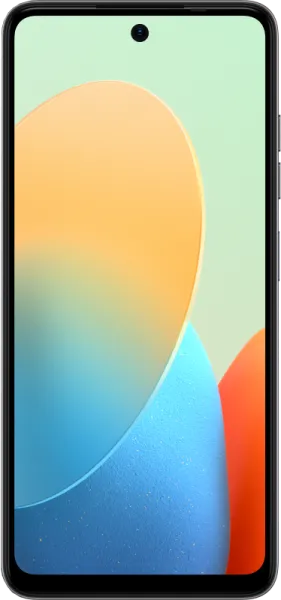
1. Specifications Comparison
| Feature | Xiaomi Redmi Note 12 Pro 4G | Tecno Spark Go 2024 | Practical Impact |
|---|---|---|---|
| Design | |||
| Dimensions (mm) | 164.2 x 76.1 x 8.1 | 163.7 x 75.6 x 8.6 | Redmi is slightly thinner, Spark Go slightly narrower. Negligible difference in everyday use. |
| Weight (g) | 201.8 | 0 (Missing data) | Cannot compare weight without Spark Go's data. |
| Display | |||
| Display Type | AMOLED, 120Hz | IPS LCD, 90Hz | Redmi offers significantly better contrast, colors, and smoother scrolling due to AMOLED and higher refresh rate. |
| Resolution | 1080 x 2400 | 720 x 1612 | Redmi has a much sharper display, resulting in clearer text and images. Spark Go's display will appear pixelated. |
| PPI | 395 | 267 | Reinforces the sharpness difference; Redmi's display is noticeably crisper. |
| Performance | |||
| Chipset | Snapdragon 732G (8nm) | Unisoc T606 (12nm) | Redmi's processor is more powerful and power-efficient due to smaller manufacturing process. Expect smoother multitasking and gaming. |
| CPU | Octa-core (2x2.2 GHz Kryo 470 Gold & 6x1.8 GHz Kryo 470 Silver) | Octa-core (2x1.6 GHz Cortex-A75 & 6x1.6 GHz Cortex-A55) | Redmi has faster clock speeds, translating to quicker app launches and overall responsiveness. |
| GPU | Adreno 618 | Mali-G57 MP1 | Redmi's GPU is significantly more capable for gaming and graphically demanding tasks. |
| RAM | 8GB | 4GB | Redmi allows for more apps to run in the background without reloading, improving multitasking. |
| Camera | |||
| Main Camera | 108MP | 13MP | Redmi boasts a much higher resolution main sensor, potentially capturing more detail. Real-world image quality depends on processing, which is unclear. |
| Selfie Camera | 16MP | 8MP | Redmi's selfie camera has higher resolution. |
| Video Recording | 4K@30fps | 1080p@30fps | Redmi can record higher resolution video. |
| Battery | |||
| Capacity | 5000mAh | 5000mAh | Similar battery capacities suggest comparable battery life, but real-world usage will vary depending on other factors like the display and processor. |
2. Key Differences Analysis
Xiaomi Redmi Note 12 Pro 4G Advantages:
- Superior Display: AMOLED with 120Hz refresh rate offers a dramatically better visual experience.
- Significantly Better Performance: More powerful processor and GPU enable smoother multitasking, faster app loading, and better gaming performance.
- Higher Resolution Cameras: Potentially better image and video quality.
Tecno Spark Go 2024 Advantages:
- Potentially Lower Price: Based on limited pricing data, it seems more affordable.
- More Recent Android Version: Ships with Android 13, potentially offering newer features and longer software support.
Trade-offs:
- Performance vs. Price: Redmi offers superior performance but at a higher price.
- Display Quality vs. Battery Life: Redmi's AMOLED display is visually stunning but might consume more power than Spark Go's LCD. However, both have the same battery capacity so real-world difference is hard to determine.
3. User Profiles & Recommendations
Xiaomi Redmi Note 12 Pro 4G: Users who prioritize performance, a high-quality display, and camera capabilities. Suitable for gaming, media consumption, and multitasking.
Tecno Spark Go 2024: Budget-conscious users who prioritize basic functionality and affordability over top-tier specs. Suitable for light usage like calling, texting, and browsing.
4. Decision Framework
Key Questions for Buyers:
- What is your budget? The Redmi is more expensive.
- What are your primary use cases? Gaming and media consumption favor the Redmi; basic communication favors the Spark Go.
- How important is display quality? The Redmi's AMOLED display is a major differentiator.
Scenario-Based Recommendations:
- Limited Budget, Basic Use: Tecno Spark Go 2024
- Balanced Budget, Moderate Use: Xiaomi Redmi Note 12 Pro 4G (if within budget)
- Performance and Display Focused: Xiaomi Redmi Note 12 Pro 4G
My Choice: Xiaomi Redmi Note 12 Pro 4G
Reasoning: While the Tecno Spark Go 2024 might be more budget-friendly, the Xiaomi Redmi Note 12 Pro 4G offers significantly better performance, a vastly superior display, and potentially better camera capabilities. The Snapdragon 732G, coupled with 8GB of RAM and a 120Hz AMOLED display, promises a smooth and enjoyable user experience for various tasks. For me, the difference in user experience outweighs the price difference, making the Redmi Note 12 Pro 4G the better overall choice. The higher resolution cameras are also a plus. However, if budget is extremely tight and only basic phone functionalities are needed, the Spark Go 2024 might suffice.
