
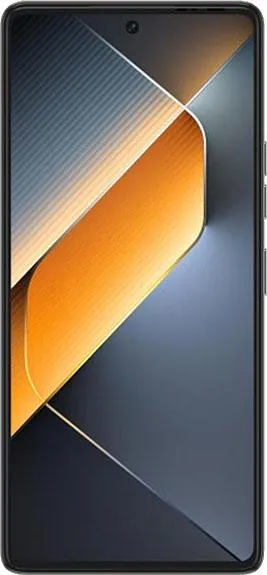
1. Specifications Comparison
| Feature | Xiaomi Redmi Note 12 Pro 4G | Tecno Pova 6 Pro | Practical Impact |
|---|---|---|---|
| Design | |||
| Dimensions (mm) | 164.2 x 76.1 x 8.1 | 165.5 x 76.1 x 7.9 | Tecno Pova 6 Pro is slightly taller and thinner. Negligible difference in daily use. |
| Weight (g) | 201.8 | 198 | Virtually identical weight; no noticeable difference in hand. |
| Build Material | Missing | Missing | Cannot compare build quality and durability. |
| Display | |||
| Display Size (inches) | 6.67 | 6.78 | Tecno Pova 6 Pro offers a slightly larger screen for more immersive content consumption. |
| Resolution | 1080 x 2400 | 1080 x 2436 | Negligible difference in sharpness; both are crisp and clear. |
| Display Type | AMOLED, 120Hz | AMOLED, 120Hz | Both offer smooth scrolling and vibrant colors thanks to AMOLED and 120Hz refresh rate. |
| Peak Brightness (nits) | 1100 | 1300 | Tecno Pova 6 Pro should be more readable in direct sunlight. |
| Dolby Vision | Yes | No | Redmi Note 12 Pro offers enhanced HDR video playback for compatible content. |
| Performance | |||
| Chipset | Snapdragon 732G (8nm) | Dimensity 6080 (6nm) | Dimensity 6080 is newer and more power-efficient; expect better battery life and potentially smoother performance in the Tecno Pova 6 Pro, especially for sustained tasks. |
| CPU | Octa-core (2x2.2 GHz & 6x1.8 GHz) | Octa-core (2x2.4 GHz & 6x2.0 GHz) | Tecno Pova 6 Pro likely has a slight performance edge in demanding tasks. |
| GPU | Adreno 618 | Mali-G57 MC2 | Difficult to compare without benchmarks, but both should handle most games at medium settings. |
| RAM | 8GB | 12GB (listed model) | Tecno Pova 6 Pro's larger RAM enables better multitasking and smoother performance with many apps open. |
| OS | Android 11 | Android 14 | Tecno Pova 6 Pro comes with a significantly newer Android version, offering more features, security updates, and potential performance improvements. |
| Camera | |||
| Main Camera | 108MP | 108MP | Megapixel count is the same, but sensor details are missing for Tecno, preventing detailed comparison. Image quality will depend on sensor size, aperture, and processing. |
| Front Camera | 16MP | 32MP | Tecno Pova 6 Pro boasts a higher resolution front camera, potentially leading to better selfies. |
| Video Recording | 4K@30fps | 1440p@30fps | Redmi Note 12 Pro can record at a higher resolution, but Tecno offers a higher frame rate slow-motion (240fps vs 960fps - though the Redmi's spec might be interpolated). |
| Battery | |||
| Capacity | 5000mAh | 6000mAh | Tecno Pova 6 Pro's larger battery capacity suggests significantly longer battery life. |
2. Key Differences Analysis
Xiaomi Redmi Note 12 Pro 4G Advantages:
- Dolby Vision: Enhanced HDR video playback.
- Potentially Better Camera System: While megapixel counts are similar, the Redmi lists more detailed sensor information suggesting a potentially superior setup, but this can't be confirmed without real-world testing.
- Higher Resolution Video Recording: 4K@30fps.
Tecno Pova 6 Pro Advantages:
- Larger Battery: 6000mAh for extended usage.
- More Recent and Power-Efficient Chipset: Dimensity 6080 (6nm).
- Newer Android Version: Android 14 for latest features and security.
- Higher Resolution Selfie Camera: 32MP.
- Larger RAM: 12GB in the listed configuration.
- Brighter Display: Better visibility in sunlight.
3. User Profiles & Recommendations
Xiaomi Redmi Note 12 Pro 4G: Users prioritizing multimedia consumption (especially Dolby Vision content) and potentially better rear camera performance.
Tecno Pova 6 Pro: Users prioritizing long battery life, smoother performance with multitasking, a larger display, and the latest Android features. Suitable for heavy users and gamers.
4. Decision Framework
Key Questions for Buyers:
- How important is battery life? If it's crucial, the Tecno Pova 6 Pro is the clear winner.
- What is your budget? Pricing information is incomplete but suggests the Tecno may be more expensive.
- Do you value the latest software and performance or multimedia features more? Android 14 and the Dimensity 6080 on the Tecno offer performance and longevity, while the Redmi focuses on visual experience with Dolby Vision.
My Choice: Tecno Pova 6 Pro
While the Redmi Note 12 Pro has some compelling features, the Tecno Pova 6 Pro is the stronger overall device for me. The significantly larger battery, newer and more efficient chipset, coupled with the much newer Android 14, make it a future-proof choice. The larger RAM also ensures smooth performance in the long run. While missing camera sensor details prevent a definitive judgment, the Redmi's advantages in video recording and Dolby Vision are outweighed by the Tecno's fundamental strengths in performance, battery, and software. The brighter display is another plus for outdoor usage. Ultimately, the Tecno Pova 6 Pro offers a more well-rounded and future-proof package for most users.
