1. Specifications Comparison
| Feature | Xiaomi Redmi Note 12 Pro 4G | Sony Xperia 1 VI | Practical Impact |
|---|---|---|---|
| Design | |||
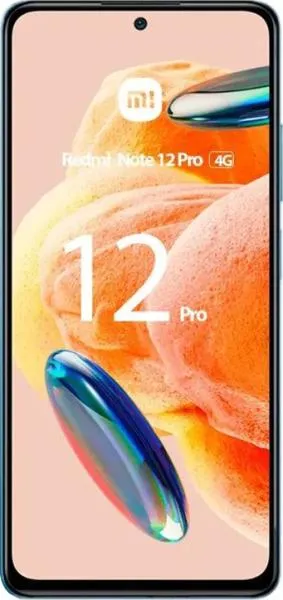
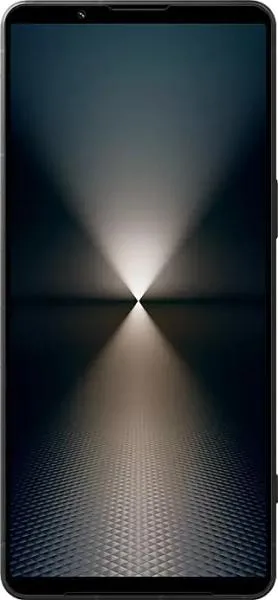
| Dimensions (mm) | 164.2 x 76.1 x 8.1 | 162 x 74 x 8.2 | Xperia 1 VI is slightly narrower and shorter, potentially improving one-handed use. Depth and weight are comparable. |
| Weight (g) | 201.8 | 192 | Xperia 1 VI is noticeably lighter, enhancing portability. |
| Build | Material specifications missing for both phones, limiting comparison. | ||
| Display | |||
| Size (inches) | 6.67 | 6.5 | Redmi Note 12 Pro has a slightly larger display, offering a more immersive experience for media consumption. |
| Resolution | 1080 x 2400 | 1080 x 2340 | Virtually identical resolutions; sharpness will be similar on both. |
| Type | AMOLED, 120Hz | LTPO OLED, 120Hz, 1B colors | Both offer smooth scrolling with 120Hz. Xperia 1 VI's LTPO panel allows for variable refresh rate, potentially saving battery. 1B colors on Xperia offer superior color accuracy and gradients. |
| Performance | |||
| Chipset | Snapdragon 732G (8nm) | Snapdragon 8 Gen 3 (4nm) | Xperia 1 VI boasts a significantly more powerful and efficient chipset, resulting in much faster performance, smoother multitasking, and better gaming capabilities. |
| CPU | Octa-core (2x2.2 GHz Kryo 470 Gold & 6x1.8 GHz Kryo 470 Silver) | Octa-core (1x3.3 GHz Cortex-X4 & 3x3.2 GHz Cortex-A720 & 2x3.0 GHz Cortex-A720 & 2x2.3 GHz Cortex-A520) | Xperia's CPU architecture provides a substantial performance advantage, especially in demanding tasks. |
| GPU | Adreno 618 | Adreno 750 | Xperia 1 VI's GPU offers considerably better graphics performance for gaming and visually intensive applications. |
| RAM | 8GB | 12GB | Xperia 1 VI has more RAM, enabling better multitasking and smoother performance with multiple apps open. |
| Camera | |||
| Main Camera | 108MP | 48MP | Redmi Note 12 Pro boasts higher resolution, but pixel size and sensor details suggest Xperia 1 VI might offer better low-light performance and dynamic range. Real-world image quality comparison is needed. |
| Zoom | Digital | Optical (7.1x) | Xperia 1 VI has a significant advantage with its optical zoom, allowing for lossless zoomed images. Redmi Note 12 Pro relies on digital zoom, which results in quality degradation. |
| Video | 4K@30fps | 4K@120fps | Xperia 1 VI allows for much higher frame rate video recording, capturing smoother and more detailed slow-motion footage. |
| Battery | |||
| Capacity | 5000 mAh | 5000 mAh | Similar battery capacities. However, Xperia's more efficient chipset and LTPO display could translate to longer real-world battery life. |
| Charging Speed | Charging speed specifications missing for both, limiting comparison. |
2. Key Differences Analysis
Xiaomi Redmi Note 12 Pro 4G Advantages:
- Larger Display: Slightly larger screen for more immersive media consumption.
- Higher Resolution Main Camera: Potentially more detailed images in good lighting conditions. (Real-world comparison needed).
- Potentially Lower Price: Likely more affordable given the "medium price" range and older chipset.
Sony Xperia 1 VI Advantages:
- Significantly Superior Performance: Much faster and more efficient processor, resulting in smoother overall experience and better gaming.
- Better Display Quality: LTPO panel with variable refresh rate for improved battery life and 1B colors for superior color accuracy.
- Superior Camera System: Optical zoom, higher quality sensor on the main camera (potentially), and superior video recording capabilities.
- More RAM: Better multitasking and smoother performance.
3. User Profiles & Recommendations
Xiaomi Redmi Note 12 Pro 4G:
- Budget-conscious users: Prioritize affordability over top-tier performance.
- Casual users: Primarily use phone for basic tasks like social media, browsing, and light gaming.
- Users prioritizing larger display: Prefer a larger screen for media consumption.
Sony Xperia 1 VI:
- Power users: Demand high performance for gaming, demanding applications, and multitasking.
- Photography enthusiasts: Value advanced camera features like optical zoom and high-quality video recording.
- Users prioritizing future-proofing: The latest chipset and OS ensure longer software support and performance headroom.
4. Decision Framework
Key Questions for Buyers:
- What is your budget? The Xperia 1 VI is likely significantly more expensive.
- What are your primary phone usage patterns? Casual users might find the Redmi Note 12 Pro sufficient, while power users will appreciate the Xperia's performance.
- How important are camera features and overall performance to you? The Xperia 1 VI clearly excels in these areas.
My Choice: Sony Xperia 1 VI
While the Redmi Note 12 Pro offers a larger display and potentially a lower price, the Sony Xperia 1 VI is the superior device overall. Its vastly more powerful processor, better display quality (LTPO and 1B colors), superior camera system with optical zoom and 4K@120fps video recording, along with more RAM and a newer OS version, make it a much more compelling choice for long-term use. The performance difference alone would significantly impact daily usage, providing a smoother and more responsive experience. While price is a factor, the Xperia 1 VI's advanced features and future-proofing justify the higher cost for me. I prioritize performance, camera quality, and a smooth user experience, which the Xperia 1 VI delivers in spades.
