1. Specifications Comparison
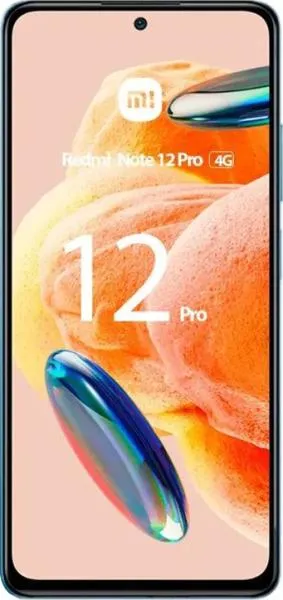
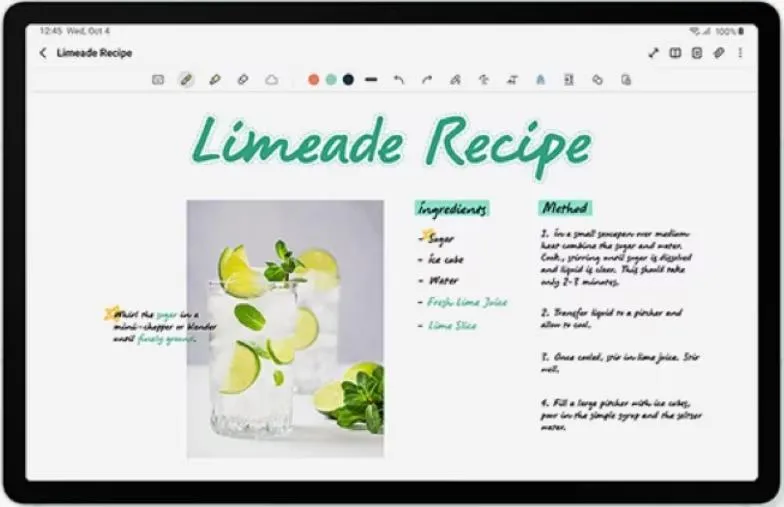
| Feature | Xiaomi Redmi Note 12 Pro 4G | Samsung Galaxy Tab S9 FE+ | Practical Impact |
|---|---|---|---|
| Design | |||
| Dimensions (mm) | 164.2 x 76.1 x 8.1 | 285.4 x 185.4 x 6.5 | Redmi Note 12 Pro is a typical smartphone size, pocketable and one-hand usable. Tab S9 FE+ is a large tablet, requiring two hands and a bag for transport. |
| Weight (g) | 201.8 | 627 | Redmi Note 12 Pro is significantly lighter and more comfortable for extended use. Tab S9 FE+ is heavy, impacting portability and one-handed use. |
| Display | |||
| Size (inches) | 6.67 | 12.4 | Redmi Note 12 Pro offers a large phone screen. Tab S9 FE+ provides a much larger display, ideal for media consumption and multitasking but less portable. |
| Type | AMOLED, 120Hz | IPS LCD, 90Hz | Redmi Note 12 Pro's AMOLED offers deeper blacks, more vibrant colors, and better power efficiency. Tab S9 FE+'s LCD may appear less vibrant. Redmi's 120Hz offers smoother scrolling and animations than the Tab S9 FE+'s 90Hz. |
| Resolution | 1080 x 2400 | 1600 x 2560 | Both offer sharp displays considering their sizes, though Redmi has a slightly higher pixel density (395 ppi vs 243 ppi). Difference is negligible in practice. |
| Performance | |||
| Chipset | Snapdragon 732G (8 nm) | Exynos 1380 (5 nm) | Exynos 1380 is newer and more powerful, offering better performance for demanding tasks and gaming. Snapdragon 732G is capable for everyday use but might struggle with high-end applications. |
| RAM (GB) | 8 | 8/12 (depending on configuration) | Both offer sufficient RAM for multitasking. 12GB option on Tab S9 FE+ provides headroom for future-proofing and demanding applications. |
| OS | Android 11 | Android 13 | Tab S9 FE+ comes with a newer Android version, offering potential feature and security advantages. Redmi's older OS may limit future updates. |
| Camera | |||
| Rear Camera | 108MP main, 8MP ultrawide, 2MP depth, 5MP macro | 12MP main, 8MP ultrawide | Redmi Note 12 Pro boasts a higher resolution main sensor and dedicated macro lens. Tab S9 FE+ camera setup is more basic. Image quality comparison needs real-world testing, as megapixels alone don't dictate performance. |
| Battery | |||
| Capacity (mAh) | 5000 | 10090 | Tab S9 FE+ has a significantly larger battery, expected to provide much longer usage time. Essential for a tablet's intended usage. |
2. Key Differences Analysis
Xiaomi Redmi Note 12 Pro 4G Advantages:
- Portability: Significantly smaller and lighter, making it ideal for on-the-go use.
- Display Vibrancy: AMOLED screen offers richer colors and deeper blacks.
- Higher Resolution Main Camera: Potentially better image quality in various scenarios, especially detailed shots.
Samsung Galaxy Tab S9 FE+ Advantages:
- Larger Display: Immersive experience for media consumption, multitasking, and productivity.
- More Powerful Processor: Handles demanding tasks and games with ease.
- Significantly Longer Battery Life: Crucial for extended use without frequent charging.
- Newer OS: Access to latest features and longer software support.
Trade-offs:
- Redmi Note 12 Pro: Less powerful, smaller battery, older Android version.
- Tab S9 FE+: Less portable, heavier, potentially less vibrant display, more expensive.
3. User Profiles & Recommendations
Xiaomi Redmi Note 12 Pro 4G: Suitable for users who prioritize portability, a vibrant display, and good camera quality for everyday use. Ideal for social media, web browsing, casual gaming, and communication.
Samsung Galaxy Tab S9 FE+: Best for users who need a large screen for productivity, media consumption, creative tasks, and gaming. Suitable for students, artists, and professionals who value screen real estate and processing power.
4. Decision Framework
Key Questions:
- What is your primary use case? (e.g., media consumption, productivity, communication, gaming)
- How important is portability? (e.g., pocket-sized vs. bag required)
- What is your budget?
Scenario-Based Recommendations:
- Student needing a device for note-taking and media consumption: Tab S9 FE+
- Professional needing a portable device for communication and occasional work tasks: Redmi Note 12 Pro 4G
- Casual user primarily using social media and browsing: Redmi Note 12 Pro 4G
- Gamer seeking a large screen and powerful performance: Tab S9 FE+
My Choice: Samsung Galaxy Tab S9 FE+
While the Redmi Note 12 Pro 4G is a compelling phone for its price, I would choose the Samsung Galaxy Tab S9 FE+. The significantly larger display, more powerful processor, newer Android version, and extended battery life are crucial for my personal and professional needs. I prioritize productivity, media consumption, and having a device that can handle demanding tasks without lagging. The trade-off in portability is acceptable to me, as I prefer a larger screen for a more immersive and productive experience. The longer software update cycle offered by Samsung also plays a significant role in my decision.
