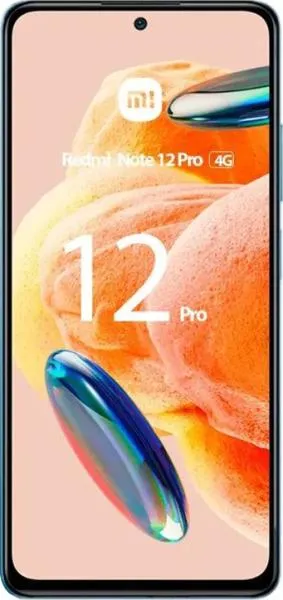

1. Specifications Comparison
| Feature | Xiaomi Redmi Note 12 Pro 4G | Samsung Galaxy S24+ | Practical Impact |
|---|---|---|---|
| Design | |||
| Dimensions (mm) | 164.2 x 76.1 x 8.1 | 158.5 x 75.9 x 7.7 | S24+ is slightly smaller and thinner, potentially more comfortable for one-handed use. |
| Weight (g) | 201.8 | 196 | Negligible weight difference in real-world usage. |
| Build Material | Not specified | Not specified | Cannot compare build quality and durability without material information. |
| Display | |||
| Display Size (inches) | 6.67 | 6.7 | Virtually identical screen sizes. |
| Resolution | 1080 x 2400 | 1440 x 3120 | S24+ offers significantly sharper visuals due to higher resolution and pixel density. |
| Display Type | AMOLED, 120Hz | Dynamic AMOLED 2X, 120Hz | Both offer smooth scrolling and animations with 120Hz. Dynamic AMOLED 2X generally implies better color accuracy and brightness on the S24+. |
| Peak Brightness (nits) | 1100 | 2600 | S24+ boasts much higher peak brightness, ensuring excellent outdoor visibility. |
| Performance | |||
| Chipset | Snapdragon 732G (8nm) | Snapdragon 8 Gen 3 (4nm) | S24+ dramatically outperforms the Redmi Note 12 Pro in processing power and efficiency due to a much newer and more powerful chipset. |
| CPU | Octa-core (2x2.2 GHz Kryo 470 Gold & 6x1.8 GHz Kryo 470 Silver) | Octa-core (1x3.39GHz Cortex-X4 & 3x3.1GHz Cortex-A720 & 2x2.9GHz Cortex-A720 & 2x2.2GHz Cortex-A520) | S24+'s CPU architecture offers superior performance, especially in demanding tasks and multitasking. |
| RAM | 8GB | 12GB | More RAM in the S24+ enables smoother multitasking and better handling of demanding applications. |
| Camera | |||
| Main Camera | 108MP | 50MP | While Redmi has higher megapixels, S24+ likely utilizes a larger sensor with better low-light performance and overall image quality. Sensor size is crucial, but missing for S24+ selfie camera. |
| Video Recording | 4K@30fps | 8K@30fps | S24+ offers significantly higher video resolution capabilities. |
| Battery | |||
| Capacity (mAh) | 5000 | 4900 | Negligible difference in battery capacity. Real-world battery life will depend more on software optimization and chipset efficiency. |
| Charging Speed | Not specified | Not specified | Cannot compare charging speeds without specific data. |
2. Key Differences Analysis
Xiaomi Redmi Note 12 Pro 4G Advantages:
- Potentially Lower Price: Belongs to a "medium price" range, likely more affordable than the S24+.
- Higher Resolution Main Camera (Numerically): 108MP sensor, potentially capturing more detail in ideal lighting conditions. However, practical image quality depends on sensor size and processing.
Samsung Galaxy S24+ Advantages:
- Significantly Superior Performance: The Snapdragon 8 Gen 3 offers a substantial leap in processing power, graphics rendering, and overall system speed compared to the Snapdragon 732G.
- Sharper and Brighter Display: Higher resolution, pixel density, and peak brightness translate to a vastly improved visual experience.
- More RAM: 12GB ensures smooth multitasking and better handling of demanding apps.
- Future-Proofing: Newer Android version with longer OS update support, 5G connectivity, and more advanced features like 8K video recording ensure a longer lifespan.
- Faster USB standard: USB 3.2 with DisplayPort enables faster data transfer and video output capabilities.
3. User Profiles & Recommendations
Xiaomi Redmi Note 12 Pro 4G: Budget-conscious users who prioritize basic smartphone functionality, casual photography, and long battery life.
Samsung Galaxy S24+: Users who demand top-tier performance, a premium display, future-proof features, the latest technology, and excellent camera capabilities for various scenarios. Suitable for power users, gamers, content creators, and those who value a premium mobile experience.
4. Decision Framework
Key Questions for Buyers:
- What is your budget? The Redmi Note 12 Pro 4G is likely significantly cheaper.
- What are your performance needs? For demanding tasks and gaming, the S24+ is vastly superior.
- How important is future-proofing? The S24+ offers 5G, newer Android version with longer support, and cutting-edge features, ensuring a longer lifespan.
My Choice: Samsung Galaxy S24+
While the Redmi Note 12 Pro 4G offers good value for its price, the Samsung Galaxy S24+ is the clear winner for me. The significantly improved performance, stunning display, future-proof features like 5G and longer OS support, along with a more capable camera system outweigh the potential price difference. I prioritize a smooth and powerful user experience, a vibrant display, and the latest technology, making the S24+ the better choice. The generational leap in processing power between the Snapdragon 732G and 8 Gen 3 is a crucial deciding factor for long-term usability and performance consistency.
