1. Specifications Comparison
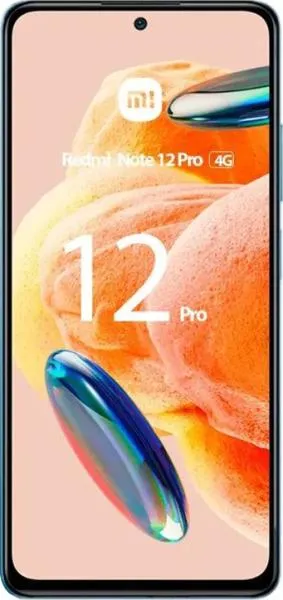
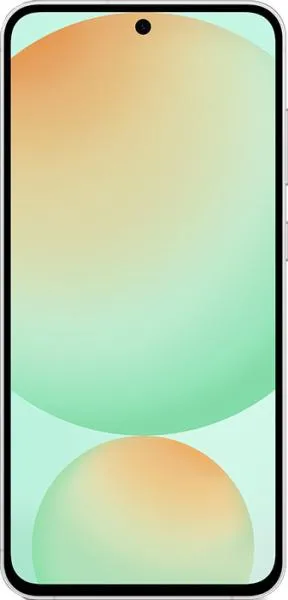
| Feature | Xiaomi Redmi Note 12 Pro 4G | Samsung Galaxy S24 FE | Practical Impact |
|---|---|---|---|
| Design | |||
| Dimensions (mm) | 164.2 x 76.1 x 8.1 | 162 x 77.3 x 8 | S24 FE slightly shorter and wider, negligible difference in thickness. |
| Weight (g) | 201.8 | 213 | S24 FE slightly heavier, but the difference is minimal in practical use. |
| Display | |||
| Display Type | AMOLED, 120Hz | Dynamic AMOLED 2X, 120Hz | Both offer smooth scrolling and animations. Dynamic AMOLED 2X generally offers better color accuracy and brightness. |
| Display Size (inches) | 6.67 | 6.7 | Negligible size difference. |
| Resolution | 1080 x 2400 | 1080 x 2340 | Virtually identical sharpness. |
| Peak Brightness (nits) | 1100 | 1900 | S24 FE offers significantly higher peak brightness, improving outdoor visibility. |
| HDR | Dolby Vision | HDR10+ | Both support HDR content, though specific formats differ. |
| Performance | |||
| Chipset | Snapdragon 732G (8nm) | Exynos 2400e (4nm) | S24 FE's Exynos chip is built on a smaller process, likely resulting in better power efficiency and performance, especially in demanding tasks. |
| CPU | Octa-core (2x2.2 GHz + 6x1.8 GHz) | Deca-core (1x3.1 GHz + 2x2.9 GHz + 3x2.6 GHz + 4x1.95 GHz) | S24 FE boasts a more powerful and efficient CPU configuration, leading to smoother multitasking and faster app loading. |
| GPU | Adreno 618 | Xclipse 940 | S24 FE has a significantly more powerful GPU, enabling better gaming performance and smoother graphics rendering. |
| RAM | 8GB | 8GB | Same RAM capacity. |
| Camera | |||
| Main Camera | 108MP | 50MP | Redmi Note 12 Pro boasts higher resolution, but S24 FE utilizes a larger sensor (1/1.57") potentially capturing more light and detail. |
| Ultrawide | 8MP | 13MP | S24 FE offers higher resolution and likely better ultrawide photos. |
| Telephoto | No | 8MP with 3x Optical Zoom | S24 FE offers optical zoom for better zoomed-in shots without quality loss. Redmi Note 12 Pro lacks a dedicated telephoto lens. |
| Video Recording | 4K@30fps | 8K@30fps | S24 FE capable of significantly higher resolution video recording. |
| Battery | |||
| Capacity | 5000 mAh | 4700 mAh | Redmi Note 12 Pro has a slightly larger battery capacity, but real-world battery life depends on various factors including software optimization and chip efficiency. |
| Charging Speed | Not specified | Not specified | Cannot compare charging speeds without specific data. |
2. Key Differences Analysis
Xiaomi Redmi Note 12 Pro 4G Advantages:
- Higher resolution main camera: Potentially more detailed photos in ideal lighting conditions.
- Slightly larger battery: Potentially longer battery life, though real-world usage will vary.
Samsung Galaxy S24 FE Advantages:
- Significantly more powerful processor and GPU: Much better performance in demanding tasks and gaming.
- Brighter display: Improved outdoor visibility.
- Telephoto lens with optical zoom: Better quality zoomed images.
- Higher resolution video recording (up to 8K): Future-proof video capabilities.
- More recent operating system: Access to newer features and potentially longer software support.
- Faster USB standard (USB 3.2): Faster data transfer speeds.
Trade-offs:
- Redmi Note 12 Pro: Lower performance, less versatile camera system, older OS.
- S24 FE: Smaller battery capacity (though potentially offset by a more efficient chip), higher price.
3. User Profiles & Recommendations
Xiaomi Redmi Note 12 Pro 4G: Budget-conscious users prioritizing basic tasks, casual photography, and long battery life.
Samsung Galaxy S24 FE: Users who value performance, high-quality photography and videography, a bright and vibrant display, and the latest features. Suitable for demanding tasks, gaming, and content creation.
4. Decision Framework
Key Questions:
- What is your budget? The Redmi Note 12 Pro is significantly more affordable.
- What are your primary use cases? Gaming, content creation, and demanding tasks favor the S24 FE. Basic use, social media, and casual photography may be sufficiently served by the Redmi Note 12 Pro.
- How important are camera quality and features? The S24 FE offers a more versatile and generally superior camera system.
My Choice: Samsung Galaxy S24 FE
While the Redmi Note 12 Pro offers a tempting price, the Samsung Galaxy S24 FE is the superior device overall. Its significantly more powerful processor, better GPU, brighter display, more versatile camera system with optical zoom, and newer OS make it a much better long-term investment. The improved performance, future-proofing, and enhanced user experience justify the higher price for most users. While the Redmi might appeal to budget-conscious buyers, the S24 FE's advantages in key areas like performance and camera make it the clear winner for me. The slightly smaller battery is likely offset by the efficiency of the Exynos 2400e.
