1. Specifications Comparison
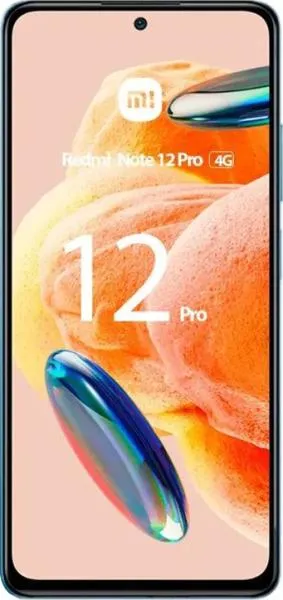
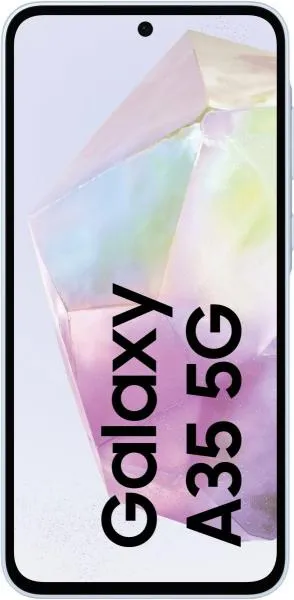
| Feature | Xiaomi Redmi Note 12 Pro 4G | Samsung Galaxy A35 | Practical Impact |
|---|---|---|---|
| Design | |||
| Dimensions (mm) | 164.2 x 76.1 x 8.1 | 161.7 x 78 x 8.2 | Virtually identical in size and feel. |
| Weight (g) | 201.8 | 209 | Negligible weight difference in real-world usage. |
| Fingerprint Sensor | Side-mounted | Under-display | Preference-based; under-display is modern, side-mounted can be faster. |
| Display | |||
| Display Type | AMOLED | Super AMOLED | Both offer vibrant colors and deep blacks; Super AMOLED may have slightly improved outdoor visibility. |
| Refresh Rate (Hz) | 120 | 120 | Both offer smooth scrolling and animations. |
| Display Size (inches) | 6.67 | 6.6 | Negligible size difference. |
| Resolution (px) | 1080 x 2400 | 1080 x 2340 | Very similar pixel density, resulting in comparable sharpness. |
| Dolby Vision | Yes | No | Redmi Note 12 Pro offers enhanced HDR video playback for compatible content. |
| Peak Brightness (nits) | 1100 | Not specified | Redmi Note 12 Pro's higher peak brightness likely improves outdoor readability. The lack of specified peak brightness for the A35 hinders a definitive comparison. |
| Performance | |||
| Chipset | Snapdragon 732G (8nm) | Exynos 1380 (5nm) | A35's Exynos 1380, built on a smaller process node, should offer better performance and power efficiency. |
| CPU | Octa-core (2x2.2 GHz Kryo 470 Gold & 6x1.8 GHz Kryo 470 Silver) | Octa-core (4x2.4 GHz Cortex-A78 & 4x2.0 GHz Cortex-A55) | A35 has a more powerful CPU architecture, resulting in noticeably faster performance, especially in demanding tasks. |
| GPU | Adreno 618 | Mali-G68 MP5 | A35's GPU should deliver better gaming performance. |
| RAM (GB) | 8 | 8 (configurations vary) | Both offer sufficient RAM for smooth multitasking in most scenarios, although the A35 offers configurations with 6GB RAM as well. |
| OS | Android 11 | Android 14 | A35 has a significantly newer Android version with longer software support and newer features. |
| Camera | |||
| Main Camera (MP) | 108 | 50 | Redmi Note 12 Pro boasts higher resolution, but image quality depends on sensor size, processing, and other factors. |
| Optical Stabilization | No | Yes | A35's optical stabilization will significantly improve video stability and low-light photos. |
| Video Capabilities | 4K@30fps | 4K@30fps with EIS | Both record 4K video; A35 adds electronic image stabilization for smoother footage. |
| Battery | |||
| Capacity (mAh) | 5000 | 5000 | Similar battery capacity suggests comparable battery life, though real-world usage may vary due to chipset efficiency and software optimization. |
2. Key Differences Analysis
Xiaomi Redmi Note 12 Pro 4G Advantages:
- Higher resolution main camera: Potentially more detailed photos in good lighting conditions.
- Dolby Vision: Enhanced HDR video playback.
Samsung Galaxy A35 Advantages:
- Significantly more powerful processor: Faster performance in apps, games, and multitasking.
- More recent Android version: Longer software updates and newer features.
- Optical Image Stabilization: Superior video stability and low-light photos.
- 5G Connectivity: Faster data speeds and improved network performance in areas with 5G coverage (important consideration).
3. User Profiles & Recommendations
Xiaomi Redmi Note 12 Pro 4G: Budget-conscious users prioritizing a high-resolution camera and Dolby Vision for media consumption. Suitable for casual photography and video watching.
Samsung Galaxy A35: Users who value performance, longevity (software updates), and overall camera quality (especially video). Ideal for demanding tasks, gaming, and future-proofing.
4. Decision Framework
Key Questions:
- Is 5G connectivity important? If yes, the A35 is the only option.
- What is your budget? Prices overlap, but specific configurations may influence the decision.
- Which is more important: raw camera resolution or overall performance and features?
Scenario-Based Recommendations:
- Limited Budget, Casual Use: Redmi Note 12 Pro 4G
- Performance Focused, Future-Proofing: Samsung Galaxy A35
My Choice: Samsung Galaxy A35
Reasoning: The Samsung Galaxy A35's superior processor, newer Android version with longer update support, 5G connectivity, and optical image stabilization make it a more compelling overall package. While the Redmi Note 12 Pro 4G offers a higher resolution main camera and Dolby Vision, the A35's advantages in crucial areas like performance, software, and future-proofing outweigh those benefits for me. The more efficient chipset in the A35 likely offsets any potential advantage the Redmi Note 12 Pro might have had in battery life due to slightly smaller screen size. In real-world usage, I prioritize a smooth, responsive experience and long-term software support over marginal gains in camera resolution.
