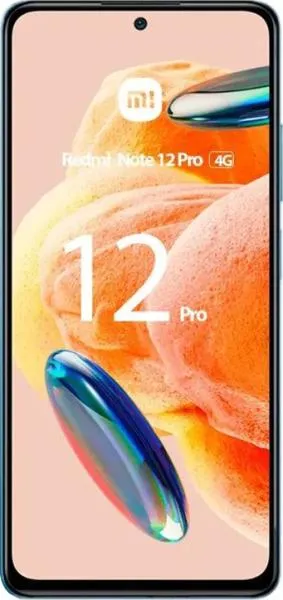
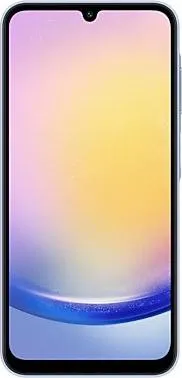
1. Specifications Comparison
| Feature | Xiaomi Redmi Note 12 Pro 4G | Samsung Galaxy A25 | Practical Impact |
|---|---|---|---|
| Design | |||
| Dimensions (mm) | 164.2 x 76.1 x 8.1 | 161 x 76.5 x 8.3 | Redmi is slightly taller and narrower. Negligible difference in daily use. |
| Weight (g) | 201.8 | 197 | Almost identical weight, minimal difference in hand feel. |
| Display | |||
| Display Type | AMOLED, 120Hz | Super AMOLED, 120Hz | Both offer smooth scrolling and vibrant colors. Samsung's "Super" AMOLED might offer slightly better contrast. |
| Display Size (inches) | 6.67 | 6.5 | Redmi has a slightly larger screen, providing more immersive content consumption. |
| Resolution | 1080 x 2400 | 1080 x 2340 | Virtually identical sharpness. |
| Peak Brightness (nits) | 1100 (typical), 700 (HBM) | 1000 (HBM) | Redmi may be slightly brighter in direct sunlight. Missing typical brightness for Redmi makes direct comparison difficult. |
| Dolby Vision | Yes | No | Redmi supports Dolby Vision for enhanced HDR video playback, offering better dynamic range and colors in compatible content. |
| Performance | |||
| Chipset | Snapdragon 732G (8nm) | Exynos 1280 (5nm) | Exynos 1280, being a newer generation and built on a smaller process node, should offer better performance and power efficiency. |
| CPU | Octa-core (2x2.2 GHz Kryo 470 Gold & 6x1.8 GHz Kryo 470 Silver) | Octa-core (2x2.4 GHz Cortex-A78 & 6x2.0 GHz Cortex-A55) | A25 has a more powerful CPU architecture, leading to faster app loading, multitasking, and potentially better gaming performance. |
| GPU | Adreno 618 | Mali-G68 | Mali-G68 generally offers better graphical performance than Adreno 618, benefiting gaming and graphically demanding tasks. |
| RAM | 8GB | 6/8GB (Version Dependent) | We are comparing the 8GB variants, so RAM is equal. More RAM enables smoother multitasking. |
| OS | Android 11 | Android 14 | A25 ships with a much newer Android version, offering newer features, security updates, and longer software support. |
| Camera | |||
| Main Camera | 108MP | 50MP | Redmi boasts a higher resolution main sensor. However, megapixel count doesn't guarantee better image quality. A25 has OIS, likely resulting in better low-light performance and video stability. |
| Video Recording | 4K@30fps | 4K@30fps with EIS | Both offer 4K recording. A25 features Electronic Image Stabilization (EIS) for smoother video footage. |
| Battery | |||
| Capacity | 5000 mAh | 5000 mAh | Identical battery capacities. Real-world battery life will depend on usage patterns and software optimization. |
2. Key Differences Analysis
Xiaomi Redmi Note 12 Pro 4G Advantages:
- Larger Display: Offers a slightly more immersive viewing experience.
- Dolby Vision: Superior HDR video playback quality.
- Higher Resolution Main Camera: Potentially more detailed photos in good lighting conditions.
Samsung Galaxy A25 Advantages:
- More Powerful Processor: Faster performance in everyday tasks and gaming.
- Newer OS: Access to latest Android features and longer software support.
- Optical Image Stabilization (OIS): Improved low-light photography and video stability.
- 5G Connectivity: Future-proofed for faster mobile data speeds (Significant advantage).
3. User Profiles & Recommendations
Xiaomi Redmi Note 12 Pro 4G: Users prioritizing media consumption (movies, videos) and seeking a large, vibrant display. Budget-conscious users who don't need the absolute latest performance or OS version.
Samsung Galaxy A25: Users who value performance, longevity (software updates), and a reliable camera experience, especially in low light or for video recording. Users who want 5G connectivity.
4. Decision Framework
Key Questions for Buyers:
- Is 5G connectivity essential? If yes, the A25 is the only option.
- Do you prioritize performance or media consumption? A25 for performance, Redmi Note 12 Pro for media consumption.
- How important are software updates and future-proofing? A25 offers a significant advantage in this area.
My Choice: Samsung Galaxy A25
While the Redmi Note 12 Pro has a larger display and Dolby Vision, the Samsung Galaxy A25 offers a significantly more compelling overall package. The newer and more powerful processor, the significantly newer Android version with longer software support lifespan, the inclusion of OIS for the camera, and, crucially, 5G connectivity make it a more future-proof and versatile device. The performance benefits and 5G connectivity alone outweigh the Redmi's advantages for me. Even if the Redmi Note 12 Pro has a higher resolution main camera, the lack of OIS in the Redmi likely puts the A25 ahead in overall image and video quality in various scenarios.
