1. Specifications Comparison
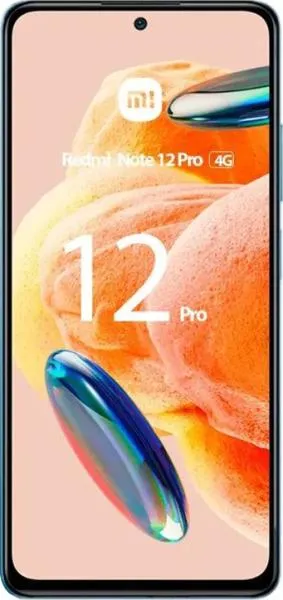
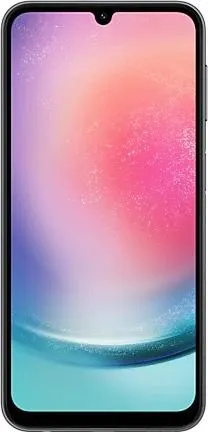
| Feature | Xiaomi Redmi Note 12 Pro 4G | Samsung Galaxy A24 4G | Practical Impact |
|---|---|---|---|
| Design | |||
| Dimensions (mm) | 164.2 x 76.1 x 8.1 | 162.1 x 77.6 x 8.3 | Redmi Note 12 Pro is slightly taller and narrower. Negligible difference in daily use. |
| Weight (g) | 201.8 | 195 | Redmi Note 12 Pro is slightly heavier, but the difference is minimal. |
| Display | |||
| Display Type | AMOLED, 120Hz | AMOLED, 90Hz | Redmi Note 12 Pro offers smoother scrolling and animations due to the higher refresh rate. |
| Display Size (inches) | 6.67 | 6.5 | Redmi Note 12 Pro has a slightly larger screen, providing a more immersive experience. |
| Resolution | 1080 x 2400 | 1080 x 2340 | Virtually identical sharpness due to similar pixel density. |
| Peak Brightness (nits) | 1100 | 1000 | Redmi Note 12 Pro should be slightly more visible in direct sunlight. |
| Dolby Vision | Yes | No | Redmi Note 12 Pro supports Dolby Vision for enhanced HDR video playback with compatible content. |
| Performance | |||
| Chipset | Snapdragon 732G (8nm) | Helio G99 (6nm) | Helio G99 is built on a smaller node, potentially offering better power efficiency. Snapdragon 732G might provide slightly better peak performance in demanding tasks. |
| CPU | Octa-core (2x2.2 GHz Kryo 470 Gold & 6x1.8 GHz Kryo 470 Silver) | Octa-core (2x2.2 GHz Cortex-A76 & 6x2.0 GHz Cortex-A55) | Performance differences likely minimal in everyday tasks. Benchmarking required for definitive comparison. |
| GPU | Adreno 618 | Mali-G57 MC2 | Adreno 618 generally considered stronger for gaming, but real-world difference depends on specific game optimization. |
| RAM | 8GB | 6GB (as tested) | More RAM in the Redmi Note 12 Pro allows for better multitasking and app switching. |
| OS | Android 11 | Android 13 | Samsung Galaxy A24 launches with a more modern OS with longer software support likely. |
| Camera | |||
| Main Camera | 108MP | 50MP | Redmi Note 12 Pro boasts higher resolution, potentially capturing more detail. Real-world image quality depends on processing and sensor quality. |
| Video Recording | 4K@30fps | 1080p@30fps | Redmi Note 12 Pro offers higher resolution video recording. |
| Optical Image Stabilization | No | Yes | Samsung Galaxy A24 offers OIS for steadier videos and potentially better low-light photos. |
| Battery | |||
| Capacity | 5000 mAh | 5000 mAh | Similar battery capacity suggests comparable battery life, though actual usage will vary. |
2. Key Differences Analysis
Xiaomi Redmi Note 12 Pro 4G Advantages:
- Higher Refresh Rate Display: Smoother user experience.
- Higher Resolution Main Camera: Potentially more detailed photos.
- 4K Video Recording: Higher quality video capture.
- More RAM: Better multitasking.
- Dolby Vision: Enhanced HDR video playback.
Samsung Galaxy A24 4G Advantages:
- More Modern OS: Longer software updates and newer features.
- Optical Image Stabilization: Steadier videos and better low-light performance.
- Potentially Better Power Efficiency: Due to 6nm chipset.
3. User Profiles & Recommendations
Xiaomi Redmi Note 12 Pro 4G: Users prioritizing smooth display, higher resolution photos and videos, and multitasking capabilities. Suitable for mobile gamers and content consumers.
Samsung Galaxy A24 4G: Users prioritizing software updates, stable video recording, and all-around reliability. Suitable for general use, social media, and casual photography.
4. Decision Framework
Key Questions for Buyers:
- How important is software support and longevity?
- Is a smoother display or steadier video recording more crucial?
- What is your budget and desired storage capacity?
My Choice: Samsung Galaxy A24 4G
While the Redmi Note 12 Pro offers a compelling package with a 120Hz display and a 108MP camera, I would choose the Samsung Galaxy A24 4G. The deciding factors are the more up-to-date Android version promising longer software support and the inclusion of Optical Image Stabilization (OIS). OIS significantly improves video stability and low-light photography, features I value more in daily use than a slightly higher refresh rate or camera resolution. The potential for better battery life due to the more efficient chipset is also a plus. While the Redmi Note 12 Pro boasts more RAM in this comparison, the 6GB in the A24 is still sufficient for most users. Ultimately, the A24 offers a more well-rounded package for my needs.
