1. Specifications Comparison
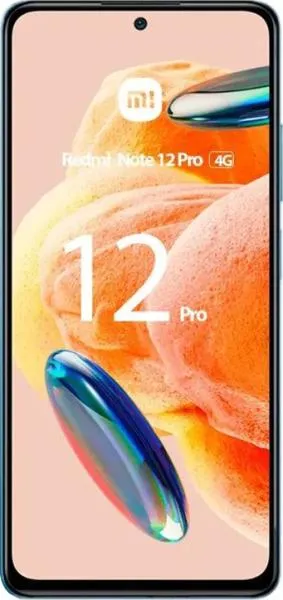
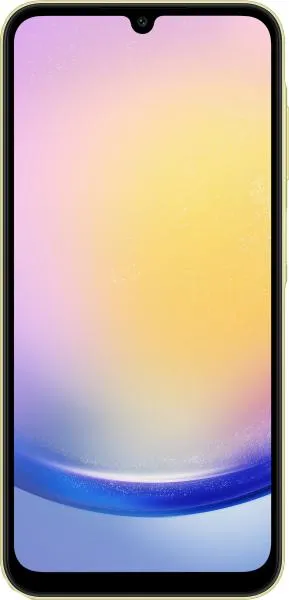
| Feature | Xiaomi Redmi Note 12 Pro 4G | Samsung Galaxy A15 | Practical Impact |
|---|---|---|---|
| Design | |||
| Dimensions (mm) | 164.2 x 76.1 x 8.1 | 160.1 x 76.8 x 8.4 | Redmi is slightly taller and thinner. Negligible difference in everyday use. |
| Weight (g) | 201.8 | 200 | Virtually identical weight. |
| Display | |||
| Display Type | AMOLED, 120Hz | Super AMOLED, 90Hz | Redmi's 120Hz offers smoother scrolling and animations. |
| Display Size (inches) | 6.67 | 6.5 | Redmi offers a slightly larger screen for more immersive media consumption. |
| Resolution | 1080 x 2400 | 1080 x 2340 | Nearly identical sharpness. |
| Peak Brightness (nits) | 1100 | 800 | Redmi's display will be more visible in direct sunlight. |
| Dolby Vision | Yes | No | Redmi supports Dolby Vision for enhanced HDR video playback. |
| Performance | |||
| Chipset | Snapdragon 732G (8nm) | Mediatek Helio G99 (6nm) | G99 offers better power efficiency due to smaller process node, but 732G may provide slightly better peak performance. |
| CPU | Octa-core (2x2.2 GHz Kryo 470 Gold & 6x1.8 GHz Kryo 470 Silver) | Octa-core (2x2.2 GHz Cortex-A76 & 6x2.0 GHz Cortex-A55) | Comparable CPU performance, though architectural differences might lead to variations in specific tasks. |
| GPU | Adreno 618 | Mali-G57 MC2 | Adreno 618 generally offers better gaming performance. |
| RAM | 8GB | 4GB/6GB/8GB (Variant dependent) | More RAM on the Redmi ensures smoother multitasking and better performance with demanding apps. |
| OS | Android 11 | Android 14 | Galaxy A15 ships with a more modern OS with newer features and longer security support. |
| Camera | |||
| Rear Camera | 108MP (Main), 8MP (Ultrawide), 2MP (Macro), 2MP (Depth) | 50MP (Main), 5MP (Ultrawide), 2MP (Macro) | Redmi offers a higher resolution main sensor and a dedicated depth sensor, potentially resulting in better detail and portrait mode. |
| Front Camera | 16MP | 13MP | Redmi has a higher resolution selfie camera. |
| Video Recording | 4K@30fps | 1080p@30fps | Redmi can record videos at a higher resolution. |
| Battery | |||
| Capacity | 5000 mAh | 5000 mAh | Identical battery capacity. Real-world battery life will depend on usage and efficiency of each chipset. |
2. Key Differences Analysis
Xiaomi Redmi Note 12 Pro 4G Advantages:
- Superior Display: Higher refresh rate (120Hz), brighter screen, Dolby Vision support.
- Better Gaming Performance: More powerful GPU.
- Higher Resolution Cameras: Potentially better image quality, especially in low light.
- 4K Video Recording: Enables higher quality video capture.
Samsung Galaxy A15 Advantages:
- More Up-to-Date Software: Android 14 with longer potential support lifespan.
- Potentially Better Battery Life: More efficient processor.
- 5G Connectivity: Offers faster data speeds and future-proofing (depending on region). Note: This comparison is against the 4G version of the Redmi Note 12 Pro.
3. User Profiles & Recommendations
Redmi Note 12 Pro 4G: Users who prioritize media consumption (movies, games), photography, and smooth performance. Best for:
- Mobile gamers
- Photography enthusiasts
- Content consumers
Samsung Galaxy A15: Users who prioritize long battery life, software updates, and 5G connectivity. Best for:
- General users
- Users on a tighter budget seeking future-proof connectivity with 5G.
4. Decision Framework
Key Questions for Buyers:
- Is 5G connectivity essential? If yes, the Galaxy A15 is the better choice (depending on available variants). The provided specs are for the 4G variant of the Redmi.
- Is display quality and performance a top priority? If yes, the Redmi Note 12 Pro 4G offers a more compelling experience.
- How important are software updates and longevity? If long-term software support is crucial, the Galaxy A15 with its newer Android version is preferable.
My Choice:
I would choose the Xiaomi Redmi Note 12 Pro 4G. While the Samsung Galaxy A15 offers newer software and potentially longer battery life, the Redmi Note 12 Pro 4G's superior display, performance, and camera capabilities are more compelling to me. The smoother 120Hz display, brighter screen, and Dolby Vision make a noticeable difference in media consumption. The more powerful GPU is also a significant advantage for gaming and demanding applications. I am willing to prioritize these features over the slightly older Android version on the Redmi, especially considering the performance benefits. Finally, the ability to record in 4K is important to me. While battery life is important, I find that having a faster charger often mitigates concerns about battery capacity.
