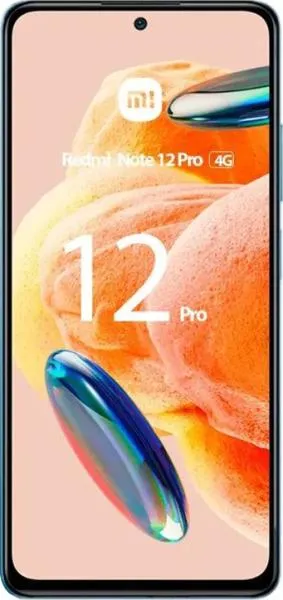
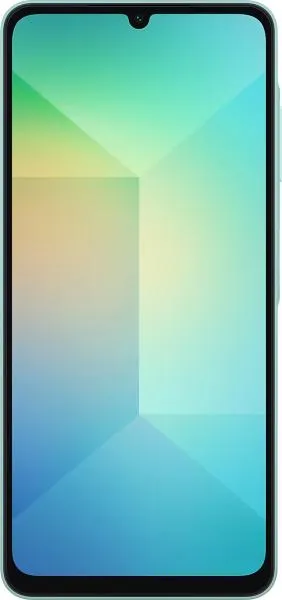
1. Specifications Comparison
| Feature | Xiaomi Redmi Note 12 Pro 4G | Samsung Galaxy A06 | Practical Impact |
|---|---|---|---|
| Design | |||
| Dimensions (mm) | 164.2 x 76.1 x 8.1 | 167.3 x 77.3 x 8 | Redmi is slightly smaller and thinner. A06 might feel bulkier in hand. |
| Weight (g) | 201.8 | 189 | Negligible weight difference in practical use. |
| Build | Not specified | Not specified | Build quality and materials unknown, impacting durability and premium feel. |
| Display | |||
| Display Type | AMOLED, 120Hz | PLS LCD | Redmi offers significantly better contrast, colors, and smoother scrolling with its high refresh rate AMOLED. A06's LCD will appear less vibrant and responsive. |
| Resolution | 1080 x 2400 | 720 x 1600 | Redmi's sharper display provides more detail in images and text. A06's lower resolution will appear pixelated, especially for media consumption. |
| Size (inches) | 6.67 | 6.7 | Virtually identical screen sizes. |
| PPI | 395 | 262 | Redmi's higher pixel density results in sharper images and text. |
| Performance | |||
| Chipset | Snapdragon 732G (8 nm) | Helio G85 (12 nm) | Redmi's Snapdragon chip offers better performance and efficiency. Expect smoother multitasking and gaming on the Redmi. |
| CPU | Octa-core (2x2.2 GHz Kryo 470 Gold & 6x1.8 GHz Kryo 470 Silver) | Octa-core (2x2.0 GHz Cortex-A75 & 6x1.8 GHz Cortex-A55) | Redmi's CPU has a slight edge in clock speed, potentially translating to faster app loading and processing. |
| GPU | Adreno 618 | Mali-G52 MC2 | Redmi's GPU is more powerful, providing a better gaming and graphics-intensive application experience. |
| RAM | 8GB | 6GB(some versions 4GB) | Redmi offers more RAM, allowing for better multitasking and smoother performance with multiple apps open. |
| OS | Android 11 | Android 14 | A06 ships with a newer Android version out of the box, offering potential feature and security advantages. Redmi's older OS might lack some newer features. Update availability for both is unclear. |
| Camera | |||
| Rear Camera | 108MP (Main) + 8MP (Wide) + 2MP (Depth) + 5MP (Macro) | 50MP (Main) + 2MP (Depth) | Redmi offers higher resolution main and ultrawide cameras and a dedicated macro lens. Image quality comparison requires real-world testing, as megapixels alone aren't decisive. |
| Front Camera | 16MP | 8MP | Redmi's higher resolution front camera likely produces better selfies. |
| Video | 4K@30fps | 1080p@30fps | Redmi can record higher resolution videos. |
| Battery | |||
| Capacity | 5000 mAh | 5000 mAh | Similar battery capacity suggests comparable battery life, though actual usage will depend on software optimization and individual usage patterns. |
| Other | |||
| NFC | Yes | No | Redmi supports contactless payments and other NFC functionalities, while A06 does not. |
| Price Range | Medium | Low | Redmi is more expensive, reflecting its superior specifications. |
2. Key Differences Analysis
Xiaomi Redmi Note 12 Pro 4G Advantages:
- Superior Display: AMOLED with 120Hz refresh rate provides a significantly better visual experience.
- Better Performance: More powerful chipset, CPU, and GPU for smoother operation and gaming.
- More Versatile Camera System: Higher resolution sensors, dedicated macro lens, and 4K video recording.
- NFC Support: Enables contactless payments and data transfer.
Samsung Galaxy A06 Advantages:
- Lower Price: More budget-friendly option.
- Newer Android Version: Potentially offers access to newer features and improved security out of the box (update guarantees unknown).
- Slightly Lighter: Though the difference is minimal in practical use.
Trade-offs:
- Redmi: Higher price for significantly better features. Older Android version initially.
- A06: Compromises on display, performance, and camera quality for a lower price. Lacks NFC.
3. User Profiles & Recommendations
Xiaomi Redmi Note 12 Pro 4G: Suited for users who prioritize display quality, performance, camera versatility, and NFC functionality. Ideal for media consumption, gaming, mobile photography enthusiasts, and those who use contactless payments frequently.
Samsung Galaxy A06: Best for budget-conscious users who primarily need a basic smartphone for calling, texting, web browsing, and light social media use. Suitable for those who prioritize affordability over high-end features.
4. Decision Framework
Key Questions for Buyers:
- What is your budget? The A06 is a budget option, while the Redmi sits in the mid-range.
- What are your primary smartphone usage patterns? Heavy gamers and media consumers will appreciate the Redmi's superior performance and display.
- Which features are essential for you? NFC is a key differentiator, along with display quality and performance.
Scenario-Based Recommendations:
- Limited Budget, Basic Usage: Samsung Galaxy A06
- Balanced Budget, All-Around Performance: Xiaomi Redmi Note 12 Pro 4G
My Choice: Xiaomi Redmi Note 12 Pro 4G
Reasoning: While the Samsung Galaxy A06 is more affordable, the Redmi Note 12 Pro 4G offers significantly better value for the price difference. The superior AMOLED display, higher performance, more versatile camera system, and NFC functionality are crucial features for a satisfying user experience in today's smartphone landscape. The newer Android version on the A06 is a plus, but the Redmi's advantages in key areas outweigh this benefit for me. I prioritize a smooth, responsive experience with a good display and camera, making the Redmi the clear winner. I would research long-term software update prospects for the Redmi before committing to a purchase, however.
