
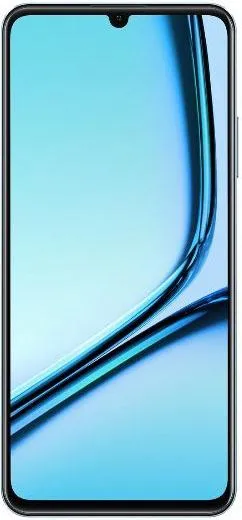
1. Specifications Comparison
| Feature | Xiaomi Redmi Note 12 Pro 4G | Realme Note 50 | Practical Impact |
|---|---|---|---|
| Design | |||
| Dimensions (mm) | 164.2 x 76.1 x 8.1 | 167.2 x 76.7 x 8.0 | Realme Note 50 is slightly larger and heavier. |
| Weight (g) | 201.8 | 186 | Redmi Note 12 Pro feels more substantial, Realme Note 50 is lighter for portability. |
| Display | |||
| Display Type | AMOLED, 120Hz | IPS LCD, 90Hz | Redmi's AMOLED offers richer colors, deeper blacks, and smoother scrolling thanks to the higher refresh rate. Realme's LCD is less vibrant and may show motion blur more easily. |
| Resolution | 1080 x 2400 | 720 x 1600 | Significantly sharper and more detailed visuals on the Redmi. Realme's display will appear pixelated, especially with text and images. |
| PPI | 395 | 260 | Higher pixel density on Redmi translates to crisper images and text, improving readability and media consumption. |
| Peak Brightness (nits) | 1100 | 560 | Redmi's display will be much more visible in direct sunlight. Realme's lower brightness will hinder outdoor usability. |
| Performance | |||
| Chipset | Snapdragon 732G (8nm) | Unisoc Tiger T612 (12nm) | Redmi offers significantly better CPU and GPU performance, resulting in smoother multitasking, faster app loading, and better gaming capabilities. |
| CPU | Octa-core (2x2.2 GHz Kryo 470 Gold & 6x1.8 GHz Kryo 470 Silver) | Octa-core (2x1.8 GHz Cortex-A75 & 6x1.8 GHz Cortex-A55) | Redmi's CPU architecture is more powerful and efficient. |
| RAM | 8GB | 4GB | More RAM on the Redmi allows for smoother multitasking and better handling of demanding applications. |
| Camera | |||
| Main Camera | 108MP | 13MP | Redmi offers much higher resolution, potentially capturing more detail. Image quality depends on sensor and processing, not just megapixels. |
| Front Camera | 16MP | 5MP | Higher resolution selfie camera on the Redmi. |
| Video Recording | 4K@30fps | 1080p@30fps | Redmi capable of recording higher resolution video. |
| Battery | |||
| Capacity | 5000 mAh | 5000 mAh | Similar battery capacity, but real-world battery life will depend on software optimization and hardware efficiency. Redmi's more powerful processor might consume more power. |
2. Key Differences Analysis
Xiaomi Redmi Note 12 Pro 4G Advantages:
- Superior Display: AMOLED with 120Hz refresh rate provides a significantly better visual experience.
- Stronger Performance: Snapdragon 732G and 8GB RAM offer smooth multitasking and gaming.
- Higher Resolution Cameras: Potentially better image and video quality.
Realme Note 50 Advantages:
- Lighter Weight: More comfortable for extended use and portability.
- Lower Price: More budget-friendly option.
3. User Profiles & Recommendations
Xiaomi Redmi Note 12 Pro 4G: Suitable for users who prioritize display quality, performance, and camera capabilities. Ideal for gaming, media consumption, and multitasking.
Realme Note 50: Best suited for budget-conscious users who primarily use their phone for basic tasks like calling, texting, and browsing. Acceptable for casual social media usage.
4. Decision Framework
Key Questions for Buyers:
- What is your budget? The Realme Note 50 is significantly cheaper.
- What are your primary phone usage patterns? For demanding tasks, the Redmi is superior.
- How important is display quality? The Redmi's AMOLED display is a major advantage.
Scenario-Based Recommendations:
- Tight Budget, Basic Usage: Realme Note 50
- Balanced Performance and Price: Xiaomi Redmi Note 12 Pro 4G
- Prioritize Multimedia and Gaming: Xiaomi Redmi Note 12 Pro 4G
My Choice: Xiaomi Redmi Note 12 Pro 4G
While the Realme Note 50 offers a lower price, the Xiaomi Redmi Note 12 Pro 4G provides a significantly better overall user experience due to its superior display, performance, and camera capabilities. The difference in display quality alone is a major factor, as the AMOLED screen with a 120Hz refresh rate offers a much more enjoyable experience for media consumption, gaming, and even everyday tasks. The more powerful processor and increased RAM also ensure smoother performance in the long run. While the Realme Note 50 is lighter, the slightly increased weight of the Redmi is a worthwhile trade-off for the substantial improvements in other areas. The price difference is justifiable considering the significant upgrade in quality.
