
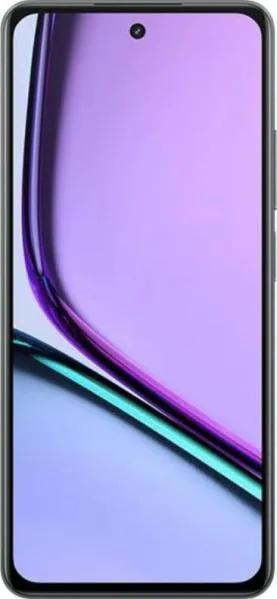
1. Specifications Comparison
| Feature | Xiaomi Redmi Note 12 Pro 4G | Realme C67 | Practical Impact |
|---|---|---|---|
| Design | |||
| Dimensions (mm) | 164.2 x 76.1 x 8.1 | 165.7 x 76 x 7.9 | Redmi is slightly shorter and thinner. Negligible difference in daily use. |
| Weight (g) | 201.8 | 190 | Realme is noticeably lighter, improving one-handed use. |
| Build | Unspecified | Unspecified | Material differences could impact durability and premium feel, but we lack this information. |
| Display | |||
| Display Type | AMOLED, 120Hz | IPS LCD, 120Hz | Redmi's AMOLED offers deeper blacks, more vibrant colors, and potentially better power efficiency in dark mode. Both have smooth 120Hz refresh rates. |
| Display Size (inches) | 6.67 | 6.72 | Realme offers a marginally larger screen. |
| Resolution | 1080 x 2400 | 1080 x 2400 | Identical resolution, resulting in similar sharpness. |
| Peak Brightness (nits) | 1100 (peak) | 680 (HBM) | Redmi's significantly higher peak brightness ensures better visibility outdoors. |
| Performance | |||
| Chipset | Snapdragon 732G (8nm) | Dimensity 6100+ (6nm) | Dimensity 6100+ is likely more power-efficient due to the smaller process node (6nm vs 8nm). Performance differences need further benchmarking analysis. |
| CPU | Octa-core (2x2.2 GHz Kryo 470 Gold & 6x1.8 GHz Kryo 470 Silver) | Octa-core (2x2.2 GHz Cortex-A76 & 6x2.0 GHz Cortex-A55) | Different CPU architectures; real-world performance comparison requires benchmarks. |
| GPU | Adreno 618 | Mali-G57 MC2 | Different GPUs. Gaming performance differences require benchmarks. |
| RAM | 8GB | 6GB (in provided pricing) | Redmi offers more RAM in the compared variant, potentially leading to better multitasking. |
| OS | Android 11 | Android 13 | Realme comes with a newer Android version out-of-the-box, offering potential feature and security advantages. |
| Camera | |||
| Rear Camera | 108MP (Main) + 8MP (Wide) + 2MP (Depth) + 5MP (Macro) | 108MP (Main) + 2MP (Macro) | Redmi has a dedicated wide-angle lens lacking in the Realme. Sensor details for the Realme's Macro lens are missing, limiting comparison. |
| Front Camera | 16MP | 8MP | Redmi's higher resolution selfie camera likely captures more detail. |
| Video Recording | 4K@30fps | 1080p@30fps | Redmi supports 4K video recording, offering significantly higher resolution than Realme's 1080p. |
| Battery | |||
| Capacity | 5000 mAh | 5000 mAh | Identical battery capacity suggests similar potential battery life. Real-world usage will vary due to other factors like display and chipset. |
| Other | |||
| NFC | Yes | No | Redmi supports NFC for contactless payments and other functionalities, which Realme lacks. |
| Price | Medium | Medium | Specific prices vary based on storage and region. Provided data shows competitive pricing for both. |
2. Key Differences Analysis
Xiaomi Redmi Note 12 Pro 4G Advantages:
- Superior Display: AMOLED with higher peak brightness offers a more vibrant and visible experience.
- More Versatile Camera System: Dedicated wide-angle lens and 4K video recording capabilities enhance photography and videography.
- NFC Functionality: Enables contactless payments and data transfer.
- More RAM: 8GB compared to 6GB in the analyzed Realme variant allows for better multitasking.
Realme C67 Advantages:
- Lighter Weight: Noticeably lighter, improving comfort during extended use.
- Newer Android Version: Android 13 offers potential feature and security benefits.
- Potentially More Power Efficient: The 6nm Dimensity chipset may provide longer battery life. (Needs real-world testing to confirm).
Trade-offs:
- Realme sacrifices display quality (IPS LCD vs AMOLED) and camera versatility for a lighter weight and potentially better power efficiency.
- Redmi uses an older Android version but offers a more feature-rich camera system and NFC.
3. User Profiles & Recommendations
Xiaomi Redmi Note 12 Pro 4G: Suitable for users who prioritize display quality, camera versatility, NFC functionality, and multitasking performance. Ideal for content consumption, mobile photography, and utilizing contactless payments.
Realme C67: Suitable for users who prioritize battery life, a lightweight design, and the latest Android features. Ideal for users who primarily use their phone for basic tasks, communication, and web browsing, and value all-day battery life.
4. Decision Framework
Key Questions for Buyers:
- Is display quality a top priority? If yes, the Redmi's AMOLED screen is a significant advantage.
- Do you frequently use contactless payments? If yes, the Redmi's NFC capability is essential.
- How important is camera versatility? If capturing wide-angle shots and 4K videos matters, the Redmi is the better choice.
Scenario-Based Recommendations:
- For a media enthusiast: Redmi Note 12 Pro 4G
- For a budget-conscious user prioritizing battery life: Realme C67
- For a user who needs NFC for mobile payments: Redmi Note 12 Pro 4G
My Choice: Xiaomi Redmi Note 12 Pro 4G
While the Realme C67 offers a lighter weight and newer Android version, the Redmi Note 12 Pro 4G's advantages in display quality, camera versatility, and NFC functionality are more significant to me. The AMOLED screen provides a much more enjoyable viewing experience, and the inclusion of a wide-angle lens and 4K video recording makes it a more capable camera phone. NFC is crucial for my daily use of contactless payments. While the slightly heavier weight is a minor drawback, the overall user experience offered by the Redmi Note 12 Pro 4G outweighs this minor inconvenience. The newer Android version on the Realme C67 is appealing, but custom ROMs could potentially bridge that gap for the Redmi in the future if needed.
