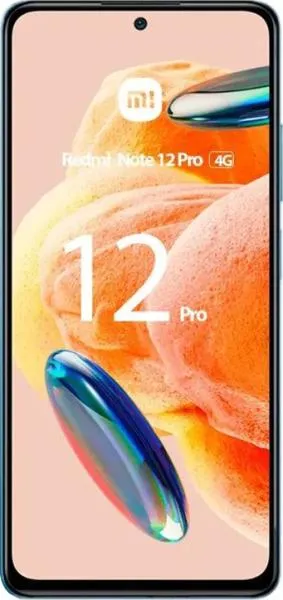

1. Specifications Comparison
| Feature | Xiaomi Redmi Note 12 Pro 4G | Realme C61 | Practical Impact |
|---|---|---|---|
| Design | |||
| Dimensions (mm) | 164.2 x 76.1 x 8.1 | 167.3 x 76.7 x 7.8 | Redmi is slightly smaller and thinner. Negligible difference in hand feel. |
| Weight (g) | 201.8 | 188 | Realme is noticeably lighter, reducing hand fatigue during extended use. |
| Build Materials | Not specified | Not specified | Cannot compare build quality and durability without more information. |
| Display | |||
| Display Type | AMOLED | IPS LCD | Redmi offers richer colors, deeper blacks, and better power efficiency due to AMOLED technology. Realme's IPS LCD may offer better color accuracy in bright sunlight. |
| Size (inches) | 6.67 | 6.74 | Realme has a slightly larger display, providing more screen real estate for media consumption. |
| Resolution | 1080 x 2400 | 720 x 1600 | Redmi's significantly higher resolution (395 ppi vs 260 ppi) results in sharper text and images, a more enjoyable viewing experience overall. |
| Refresh Rate | 120Hz | 90Hz | Redmi's higher refresh rate results in smoother scrolling and animations, making the phone feel more responsive. |
| Performance | |||
| Chipset | Snapdragon 732G (8nm) | Unisoc Tiger T612 (12nm) | Redmi's Snapdragon chip offers significantly better performance in demanding tasks and gaming due to its superior architecture and manufacturing process. |
| CPU | Octa-core (2x2.2 GHz & 6x1.8 GHz) | Octa-core (2x1.8 GHz & 6x1.8 GHz) | Redmi has faster prime cores, leading to better performance in single-threaded applications. |
| GPU | Adreno 618 | Mali-G57 | Redmi's GPU is considerably more powerful, providing a smoother gaming experience and faster graphics rendering. |
| RAM | 8GB | 6GB | Redmi offers more RAM, enabling better multitasking and smoother performance with multiple apps open. |
| Camera | |||
| Main Camera | 108MP | 32MP | Redmi's higher resolution main camera potentially captures more detail, especially in well-lit conditions. Image quality depends on sensor size and processing, not just megapixels. |
| Other Cameras | Ultrawide, Macro, Depth | Depth, Selfie | Redmi offers more versatile camera options with ultrawide and macro lenses. |
| Video Recording | 4K@30fps | 1080p@30fps | Redmi can record higher resolution videos. |
| Battery | |||
| Capacity | 5000 mAh | 5000 mAh | Similar battery capacity suggests comparable battery life, though real-world usage may vary depending on software optimization and display technology. |
2. Key Differences Analysis
Redmi Note 12 Pro 4G Advantages:
- Superior Performance: The Snapdragon 732G and Adreno 618 significantly outperform the Unisoc Tiger T612 and Mali-G57 in the Realme C61. This translates to smoother gaming, faster app loading, and better multitasking.
- Higher Resolution Display: The 1080p AMOLED display with 120Hz refresh rate provides a significantly better visual experience compared to the 720p IPS LCD with 90Hz on the Realme C61.
- More Versatile Camera System: The inclusion of ultrawide and macro lenses offers greater flexibility for photography.
Realme C61 Advantages:
- Lighter Weight: Noticeably lighter, making it more comfortable for extended use.
- Lower Price: Positioned in the low price range, offering a more budget-friendly option.
- Newer Android Version: Ships with Android 14, potentially offering newer features and longer software support compared to Android 11 on the Redmi.
3. User Profiles & Recommendations
Redmi Note 12 Pro 4G: Ideal for users who prioritize performance, display quality, and camera versatility. Suitable for gaming, media consumption, and mobile photography enthusiasts.
Realme C61: Best suited for budget-conscious users who prioritize basic functionality and a lightweight design. Suitable for light usage like calling, texting, browsing, and social media.
4. Decision Framework
Key Questions:
- What is your budget? The Realme C61 is significantly cheaper.
- What are your primary use cases? Gaming and media consumption favor the Redmi. Basic communication favors the Realme.
- How important is performance and display quality? The Redmi significantly outperforms the Realme in these areas.
My Choice: Xiaomi Redmi Note 12 Pro 4G
While the Realme C61 offers a lower price and lighter weight, the Xiaomi Redmi Note 12 Pro 4G provides a significantly better overall user experience. The superior performance, higher resolution AMOLED display with 120Hz, and more versatile camera system are crucial factors for a satisfying smartphone experience in today's demanding environment. The price difference is justifiable for the substantial upgrade in quality and features. The older Android version on the Redmi is a concern, but custom ROMs could potentially mitigate this issue for tech-savvy users.
