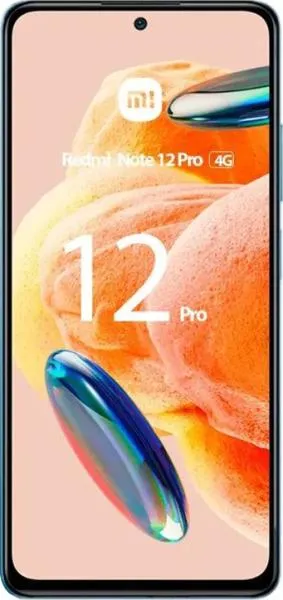
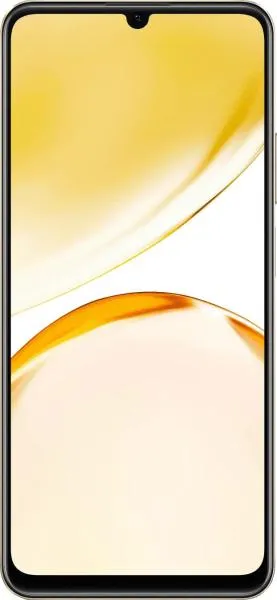
1. Specifications Comparison
| Feature | Xiaomi Redmi Note 12 Pro 4G | Realme C53 | Practical Impact |
|---|---|---|---|
| Design | |||
| Dimensions (mm) | 164.2 x 76.1 x 8.1 | 167.3 x 76.7 x 7.5 | Redmi is slightly smaller and thinner. Negligible difference in daily use. |
| Weight (g) | 201.8 | 182 | Realme is noticeably lighter, improving one-handed use and portability. |
| Build | Unspecified | Unspecified | Material differences could impact durability and premium feel; information lacking. |
| Display | |||
| Display Type | AMOLED, 120Hz | IPS LCD, 90Hz | Redmi's AMOLED offers deeper blacks, vibrant colors, and better power efficiency in dark mode. Higher refresh rate results in smoother scrolling and animations. |
| Resolution | 1080 x 2400 | 1080 x 2400 | Both have a sharp display for clear text and images. |
| Screen Size | 6.67" | 6.74" | Realme has a marginally larger screen, providing slightly more viewing area. |
| PPI | 395 | 390 | Negligible difference in pixel density. Both offer sharp visuals. |
| Performance | |||
| Chipset | Snapdragon 732G (8nm) | Unisoc Tiger T612 (12nm) | Redmi's Snapdragon chip offers significantly better performance in demanding tasks and gaming due to superior CPU and GPU. |
| CPU | Octa-core (2x2.2 GHz Kryo 470 Gold & 6x1.8 GHz Kryo 470 Silver) | Octa-core (2x1.8 GHz Cortex-A75 & 6x1.8 GHz Cortex-A55) | Redmi's CPU architecture provides a performance advantage. |
| GPU | Adreno 618 | Mali-G57 | Redmi's GPU offers smoother gaming and faster graphics rendering. |
| RAM | 8GB | 6/8GB (Variant dependent) | 8GB RAM on Redmi enables better multitasking and smoother performance with multiple apps. |
| OS | Android 11 | Android 13 | Realme has a more modern OS with newer features, security updates, and potential performance optimizations. |
| Camera | |||
| Main Camera | 108MP | 50MP | Redmi boasts higher resolution, potentially capturing more detail. Image quality depends on sensor and processing, not just megapixels. |
| Front Camera | 16MP | 8MP | Redmi's front camera offers a higher resolution for potentially better selfies. |
| Video Recording | 4K@30fps, 1080p@60fps | 1080p@30fps | Redmi offers superior video recording capabilities with higher resolution and frame rates. |
| Battery | |||
| Capacity | 5000mAh | 5000mAh | Similar battery capacities suggest comparable battery life, but real-world usage may vary due to display and processor efficiency. |
2. Key Differences Analysis
Xiaomi Redmi Note 12 Pro 4G Advantages:
- Superior Performance: The Snapdragon 732G significantly outperforms the Unisoc Tiger T612, providing a smoother experience for demanding tasks and gaming.
- Better Display: The AMOLED display with a 120Hz refresh rate provides richer colors, deeper blacks, and smoother visuals compared to the Realme C53's IPS LCD with 90Hz.
- More Versatile Camera: The higher resolution main and front cameras, along with 4K video recording, give the Redmi a clear advantage in photography and videography.
Realme C53 Advantages:
- Lighter Weight: Noticeably lighter, making it more comfortable for extended use.
- More Recent OS: Android 13 offers the latest features, security updates, and potential performance optimizations.
- Lower Price: Generally more affordable, offering good value for its price point. (Based on provided price data for 8GB/256GB variant).
Trade-offs:
- Redmi sacrifices weight and a newer OS for superior performance and display.
- Realme compromises performance and camera capabilities for a lighter weight, more recent OS, and lower price.
3. User Profiles & Recommendations
Xiaomi Redmi Note 12 Pro 4G: Users who prioritize performance, a high-quality display, and versatile camera capabilities, particularly for gaming and media consumption.
Realme C53: Budget-conscious users who prioritize a lightweight phone with a recent operating system for everyday tasks like social media, browsing, and casual photography. Suitable for users who value battery life and affordability over high-end performance.
4. Decision Framework
Key Questions for Buyers:
- What is your budget? The Realme C53 is generally more affordable.
- What are your primary use cases? Gaming and media consumption favor the Redmi; basic tasks and casual use favor the Realme.
- Which features are most important to you? Prioritize performance and display? Choose Redmi. Prioritize lightweight design, recent OS, and affordability? Choose Realme.
My Choice: Xiaomi Redmi Note 12 Pro 4G
While the Realme C53 offers a compelling value proposition with its lightweight design and newer OS, the Xiaomi Redmi Note 12 Pro 4G is the better overall device for my needs. The significantly superior performance of the Snapdragon 732G, combined with the vibrant AMOLED display and 120Hz refresh rate, would provide a much more enjoyable user experience for gaming, media consumption, and everyday tasks. I am willing to compromise on the slightly heavier weight and older Android version for these significant advantages. The more versatile camera system is also a crucial factor for me. Although both phones offer large batteries, the Redmi's AMOLED display is generally more power-efficient, potentially offsetting any difference in real-world battery life. Finally, the price difference between the two isn't significant enough to outweigh the performance and feature advantages of the Redmi.
