1. Specifications Comparison
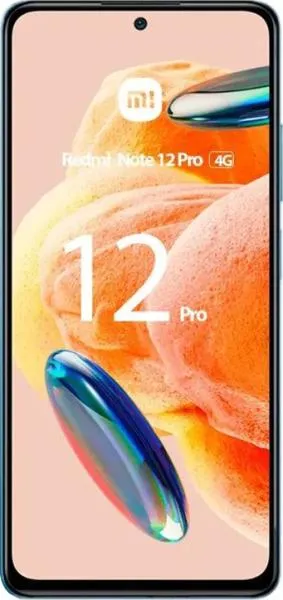
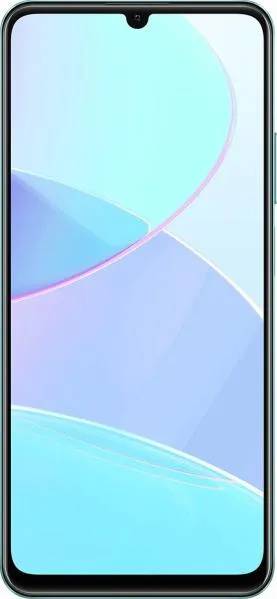
| Feature | Xiaomi Redmi Note 12 Pro 4G | Realme C51 | Practical Impact |
|---|---|---|---|
| Design | |||
| Dimensions (mm) | 164.2 x 76.1 x 8.1 | 167.2 x 76.7 x 8.0 | Redmi is slightly smaller and may feel more comfortable in hand. |
| Weight (g) | 201.8 | 186 | Realme is noticeably lighter, reducing hand fatigue during extended use. |
| Build Materials | Not specified | Not specified | Cannot compare build quality and durability without more information. |
| Display | |||
| Display Type | AMOLED | IPS LCD | Redmi's AMOLED offers deeper blacks, richer colors, and better power efficiency in dark mode. Realme's IPS LCD might have better outdoor visibility. |
| Display Size (inches) | 6.67 | 6.74 | Realme offers a marginally larger screen. |
| Resolution | 1080 x 2400 | 720 x 1600 | Redmi has a significantly sharper display, resulting in clearer text and images. Realme's lower resolution will appear pixelated. |
| Refresh Rate (Hz) | 120 | 90 | Redmi's 120Hz display provides smoother animations and scrolling compared to Realme's 90Hz. |
| Performance | |||
| Chipset | Snapdragon 732G (8nm) | Unisoc Tiger T612 (12nm) | Redmi's Snapdragon chip offers significantly better performance in demanding tasks and gaming. |
| CPU | Octa-core (2x2.2 GHz Kryo 470 Gold & 6x1.8 GHz Kryo 470 Silver) | Octa-core (2x1.8 GHz Cortex-A75 & 6x1.8 GHz Cortex-A55) | Redmi's CPU architecture and higher clock speeds deliver superior processing power. |
| GPU | Adreno 618 | Mali-G57 | Redmi's GPU provides better gaming performance and graphics rendering. |
| RAM (GB) | 8 | 4 | Redmi's larger RAM enables better multitasking and smoother performance with multiple apps open. |
| Camera | |||
| Main Camera (MP) | 108 | 50 | Redmi boasts a much higher resolution main camera sensor, potentially capturing more detail. However, megapixels alone don't guarantee image quality. |
| Other Cameras | 8MP ultrawide, 2MP depth, 5MP macro | 0.8MP depth, 5MP selfie | Redmi offers a more versatile camera setup with an ultrawide lens. Sensor quality details are missing for comparison of secondary cameras. |
| Video Recording | 4K@30fps, 1080p@30/60fps | 1080p@30fps | Redmi supports 4K video recording, providing higher resolution videos. |
| Battery | |||
| Capacity (mAh) | 5000 | 5000 | Both phones have the same battery capacity, but real-world battery life depends on optimization and usage. |
2. Key Differences Analysis
Xiaomi Redmi Note 12 Pro 4G Advantages:
- Significantly better performance: The Snapdragon 732G and 8GB RAM provide a smoother, more responsive user experience, especially for gaming and multitasking.
- Superior display: The AMOLED panel with 120Hz refresh rate delivers vibrant colors, deep blacks, and smooth scrolling.
- More versatile camera system: The inclusion of an ultrawide lens provides more creative photography options. Higher resolution main camera potentially captures more detail.
Realme C51 Advantages:
- Lighter weight: Noticeably lighter, making it more comfortable for extended use.
- Lower price: Offers a more budget-friendly option. (Based on provided pricing data)
Trade-offs:
- Realme C51 sacrifices performance and display quality for a lower price and lighter weight.
- Redmi Note 12 Pro 4G prioritizes performance and display quality, resulting in a slightly higher price and heavier weight.
3. User Profiles & Recommendations
Xiaomi Redmi Note 12 Pro 4G: Suitable for users who prioritize performance, a high-quality display, and a versatile camera. Ideal for gaming, media consumption, and multitasking.
Realme C51: Best suited for budget-conscious users who prioritize basic functionality and a lightweight design. Suitable for light usage like calling, texting, and social media browsing.
4. Decision Framework
Key Questions for Buyers:
- What is your budget? The Realme C51 is significantly cheaper.
- What are your primary use cases? For demanding tasks like gaming, the Redmi is far superior. For basic use, the Realme might suffice.
- How important is display quality and smoothness? The Redmi's AMOLED display with 120Hz refresh rate is a major advantage.
Scenario-Based Recommendations:
- Gamer: Redmi Note 12 Pro 4G
- Budget-conscious user: Realme C51
- Media consumption enthusiast: Redmi Note 12 Pro 4G
My Choice: Xiaomi Redmi Note 12 Pro 4G
While the Realme C51 offers a compelling price point, the Xiaomi Redmi Note 12 Pro 4G provides significantly better value overall. The superior processor, display, and camera system justify the price difference for most users. The smoother performance, sharper visuals, and greater versatility would result in a more enjoyable user experience in the long run. The slightly heavier weight is a minor trade-off for these substantial benefits. A good display is crucial for daily interaction, and the Redmi's AMOLED panel excels in this regard. Furthermore, the performance headroom offered by the Redmi ensures a future-proof experience for longer.
