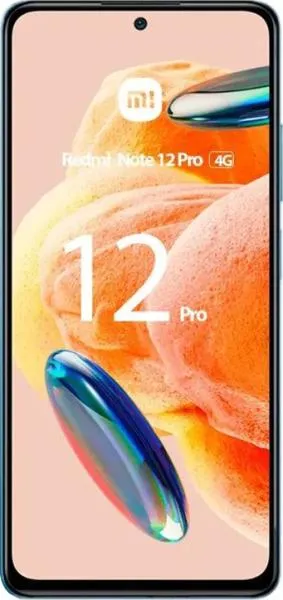

1. Specifications Comparison
| Feature | Xiaomi Redmi Note 12 Pro 4G | Realme 12 Pro | Practical Impact |
|---|---|---|---|
| Design | |||
| Dimensions (mm) | 164.2 x 76.1 x 8.1 | 161.5 x 74 x 8.8 | Realme 12 Pro is slightly smaller and lighter, potentially improving one-handed usability. |
| Weight (g) | 201.8 | 190 | Realme 12 Pro is noticeably lighter, reducing hand fatigue during extended use. |
| Fingerprint Sensor | Side-mounted | Under-display | Preference-based; under-display sensors offer a cleaner look while side-mounted sensors can be quicker to access. |
| Display | |||
| Display Type | AMOLED, 120Hz | AMOLED, 120Hz, 1B colors | Both offer smooth scrolling and vibrant colors thanks to AMOLED and 120Hz refresh rate. Realme 12 Pro's 1B colors offer smoother color gradients and transitions. |
| Peak Brightness (nits) | 1100 | 950 | Redmi Note 12 Pro should offer better visibility in direct sunlight. |
| Dolby Vision | Yes | No | Redmi Note 12 Pro supports Dolby Vision for enhanced HDR video playback with improved contrast and color accuracy. |
| Performance | |||
| Chipset | Snapdragon 732G (8nm) | Snapdragon 6 Gen 1 (4nm) | While the 732G has higher clock speeds on its performance cores, the 6 Gen 1 is built on a more efficient 4nm process, potentially leading to better sustained performance and battery life. |
| CPU | Octa-core (2x2.2 GHz Kryo 470 Gold & 6x1.8 GHz Kryo 470 Silver) | Octa-core (4x2.2 GHz Cortex-A78 & 4x1.8 GHz Cortex-A55) | 6 Gen 1 utilizes newer core architecture (Cortex-A78 vs Kryo 470 Gold), likely resulting in improved performance per core in the Realme 12 Pro. |
| GPU | Adreno 618 | Adreno 710 | Realme 12 Pro's Adreno 710 offers significantly better graphics performance for smoother gaming and faster rendering. |
| OS | Android 11 | Android 14 | Realme 12 Pro ships with a much newer Android version, offering the latest features, security updates, and potentially longer software support. |
| Camera | |||
| Main Camera | 108MP, f/1.9 | 50MP, f/1.8, OIS | Redmi Note 12 Pro boasts higher resolution for detailed photos. Realme 12 Pro has Optical Image Stabilization (OIS) for steadier videos and better low-light performance. |
| Ultrawide | 8MP, f/2.2 | 8MP, f/2.2 | Comparable ultrawide cameras on both phones. |
| Telephoto | No | 32MP, f/2.0, 2x Optical Zoom | Realme 12 Pro offers a dedicated telephoto lens for lossless zoom, absent in the Redmi Note 12 Pro. |
| Video Recording | 4K@30fps | 4K@30fps with EIS | Both can record 4K video, but the Realme 12 Pro benefits from EIS for smoother footage. |
| Battery | |||
| Capacity | 5000 mAh | 5000 mAh | Similar battery capacities suggest comparable battery life, though real-world usage will vary depending on usage patterns and chipset efficiency. |
2. Key Differences Analysis
Realme 12 Pro Advantages:
- Newer and More Powerful Chipset: The Snapdragon 6 Gen 1, despite being numerically lower, offers better performance and efficiency due to newer architecture and manufacturing process.
- More Recent OS: Android 14 provides the latest features, security updates, and potentially longer software support.
- Superior GPU: The Adreno 710 provides a significant boost in graphics performance for gaming and other visually demanding tasks.
- OIS and Telephoto Lens: Offers better low-light photography and video stabilization, along with the versatility of a dedicated telephoto lens for optical zoom.
Xiaomi Redmi Note 12 Pro 4G Advantages:
- Higher Resolution Main Camera: The 108MP sensor can capture more detail, though real-world results depend on various factors beyond resolution.
- Brighter Display: Offers better outdoor visibility.
- Dolby Vision Support: Provides a superior HDR video playback experience.
- Potentially Lower Price: Depending on the specific variant and retailer, the Redmi Note 12 Pro might be more affordable.
3. User Profiles & Recommendations
Realme 12 Pro: Ideal for users who prioritize performance, a modern software experience, mobile gaming, and camera versatility (telephoto and OIS).
Xiaomi Redmi Note 12 Pro 4G: Suitable for users who prefer a brighter display, Dolby Vision for media consumption, and prioritize a high-resolution main camera sensor while being budget-conscious.
4. Decision Framework
Key Questions for Buyers:
- What is your budget? The price difference between specific variants can be significant.
- What are your primary use cases? (e.g., gaming, photography, video consumption, general use)
- Do you value the latest software and longer-term updates?
My Choice: Realme 12 Pro
While the Redmi Note 12 Pro offers a brighter display and Dolby Vision, the Realme 12 Pro's advantages in performance, camera features (OIS and telephoto), and the significantly newer Android OS make it a more compelling overall package for my needs. The Snapdragon 6 Gen 1 and Adreno 710 provide a noticeable upgrade in everyday tasks and gaming. Android 14 ensures future-proofing with longer software support and the latest features. The addition of OIS significantly improves video stability and low-light photography, making it a more versatile camera system overall. While the higher resolution main camera on the Redmi is attractive, the practical benefits of OIS and a telephoto lens outweigh the purely numerical advantage in megapixels for me. Ultimately, I prioritize a smooth user experience, long-term software support, and a versatile camera, making the Realme 12 Pro the better choice.
