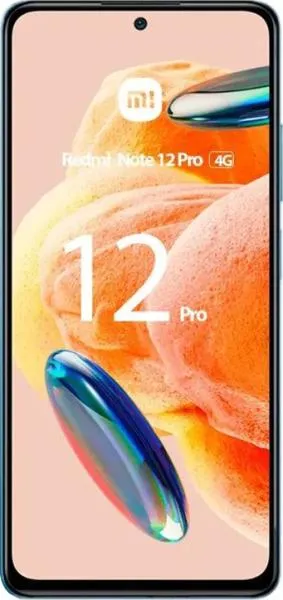
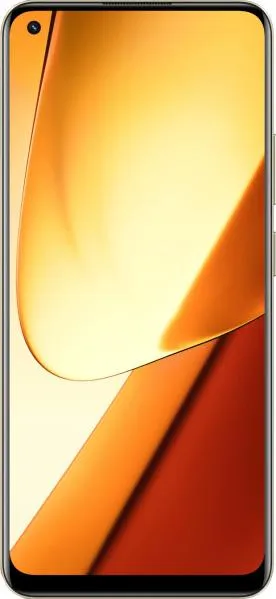
1. Specifications Comparison
| Feature | Xiaomi Redmi Note 12 Pro 4G | Realme 11 | Practical Impact |
|---|---|---|---|
| Design | |||
| Dimensions (mm) | 164.2 x 76.1 x 8.1 | 165.7 x 76 x 8.1 | Virtually identical in size and feel. |
| Weight (g) | 201.8 | 190 | Realme 11 is slightly lighter, making it marginally more comfortable for extended use. |
| Display | |||
| Display Type | AMOLED, 120Hz | IPS LCD, 120Hz | Redmi's AMOLED offers deeper blacks, more vibrant colors, and better power efficiency in dark mode. Realme's IPS LCD might offer better visibility in direct sunlight. |
| Display Size (inches) | 6.67 | 6.72 | Negligible difference in screen real estate. |
| Resolution | 1080 x 2400 | 1080 x 2400 | Identical resolution, resulting in similar sharpness. |
| PPI | 395 | 392 | Negligible difference in pixel density. |
| Performance | |||
| Chipset | Snapdragon 732G (8 nm) | Dimensity 6100+ (6 nm) | Dimensity 6100+ is generally more power-efficient due to the smaller manufacturing process. Performance differences might be noticeable in demanding tasks and gaming. |
| CPU | Octa-core (2x2.2 GHz Kryo 470 Gold & 6x1.8 GHz Kryo 470 Silver) | Octa-core (2x2.2 GHz Cortex-A76 & 6x2.0 GHz Cortex-A55) | Realme 11 might offer slightly better CPU performance due to newer architecture. |
| GPU | Adreno 618 | Mali-G57 MC2 | Adreno 618 generally provides better gaming performance. |
| RAM | 8GB | 8GB | Identical RAM capacity, enabling similar multitasking capabilities. |
| OS | Android 11 | Android 13 | Realme 11 comes with a newer Android version, offering potential feature and security advantages. However, Redmi might receive updates later. |
| Camera | |||
| Main Camera | 108MP Samsung HM2 | 108MP Omnivision OV64B | Both offer high-resolution sensors, but image quality depends on processing. Specific sensor comparisons are needed for detailed analysis. |
| Front Camera | 16MP | 16MP | Similar resolution; real-world selfie quality depends on software processing. |
| Video Recording | 4K@30fps | 1080p@30fps | Redmi Note 12 Pro offers superior video resolution. |
| Battery | |||
| Capacity | 5000 mAh | 5000 mAh | Identical battery capacity suggests similar battery life, although real-world usage may vary based on other factors. |
2. Key Differences Analysis
Redmi Note 12 Pro 4G Advantages:
- Superior Display: AMOLED offers richer visuals and better power efficiency.
- Better Video Recording: Capable of 4K recording.
- Potentially Better Gaming: Adreno 618 GPU generally performs better.
Realme 11 Advantages:
- Newer OS: Android 13 offers the latest features and security updates.
- More Power-Efficient Chipset: 6nm process node should result in better battery life.
- Lighter Design: Slightly more comfortable for extended use.
3. User Profiles & Recommendations
Redmi Note 12 Pro 4G: Suitable for users who prioritize display quality, enjoy mobile gaming, and record videos frequently.
Realme 11: Ideal for users who value battery life, want the latest Android features, and prioritize a lightweight design. Good for general usage, social media, and light gaming.
4. Decision Framework
Key Questions for Buyers:
- Is display quality a top priority? If yes, the Redmi Note 12 Pro 4G's AMOLED screen is the better choice.
- How important is battery life? If maximizing battery life is crucial, the Realme 11's more efficient chipset might be preferable.
- What is your budget and storage requirement? Consider the available storage options and pricing for each phone.
My Choice: Xiaomi Redmi Note 12 Pro 4G
While the Realme 11 offers a newer OS and potentially better battery life, the Xiaomi Redmi Note 12 Pro 4G's superior AMOLED display, 4K video recording, and potentially better gaming performance are more compelling to me. I prioritize visual experience and enjoy occasional mobile gaming, making the Redmi Note 12 Pro 4G a better fit for my needs. The slightly older Android version is less of a concern as Xiaomi has a decent track record of providing updates, although this is not guaranteed. The slightly heavier weight is a minor trade-off for the significant display advantage.
