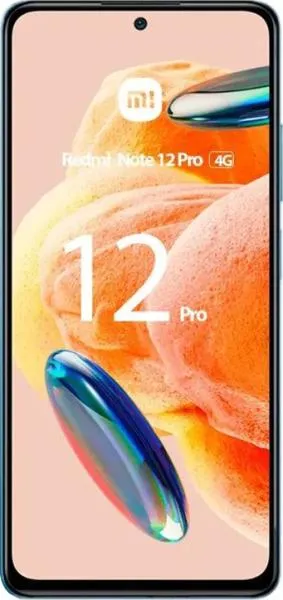
1. Specifications Comparison
| Feature | Xiaomi Redmi Note 12 Pro 4G | realme 8 | Practical Impact |
|---|---|---|---|
| Design | |||
| Dimensions (mm) | 164.2 x 76.1 x 8.1 | 162 x 75.1 x 8.7 | Redmi is slightly taller and wider, realme is slightly thicker. Negligible difference in hand feel. |
| Weight (g) | 201.8 | 191 | Redmi is slightly heavier, but the difference is minimal. |
| Fingerprint Sensor | Side-mounted | Under-display | Personal preference, both are reliable. Under-display may feel more modern. |
| Display | |||
| Display Size (inches) | 6.67 | 6.78 | Realme offers a slightly larger screen for more immersive content consumption. |
| Resolution | 1080 x 2400 | 1264 x 2780 | Realme has a significantly sharper display due to higher resolution. Noticeably crisper text and images. |
| Display Type | AMOLED, 120Hz | LTPO AMOLED, 120Hz | Both are AMOLED with 120Hz refresh rate, providing smooth visuals. Realme's LTPO panel allows for variable refresh rate, potentially saving battery. Realme also supports 1 Billion colors leading to a more vibrant and color-accurate display. |
| Peak Brightness | 1100 nits (peak) | 6000 nits (peak) | Realme's display is significantly brighter, ensuring better visibility outdoors. |
| Performance | |||
| Chipset | Snapdragon 732G (8 nm) | Snapdragon 7+ Gen 3 (4 nm) | Realme's processor is significantly more powerful and efficient due to newer architecture and manufacturing process. Expect smoother multitasking and gaming. |
| CPU | Octa-core (2x2.2 GHz Kryo 470 Gold & 6x1.8 GHz Kryo 470 Silver) | Octa-core (1x2.8 GHz Cortex-X4 & 4x2.6 GHz Cortex-A720 & 3x1.9 GHz Cortex-A520) | Realme offers a much more powerful CPU architecture. |
| GPU | Adreno 618 | Adreno 732 | Realme's GPU is significantly more powerful, leading to better gaming and graphics performance. |
| RAM | 8GB | 12GB | Realme offers more RAM for better multitasking and app switching performance, less likely to reload apps. |
| Camera | |||
| Rear Camera | 108MP (Main), 8MP (Wide), 2MP (Depth), 5MP (Macro) | Missing Information | Cannot compare without Realme's camera specifications. |
| Front Camera | 16MP | Missing Information | Cannot compare without Realme's camera specifications. |
| Video Capabilities | Up to 4K@30fps | Up to 4K@60fps with OIS and EIS | Realme potentially offers better video quality and stabilization. Cannot fully compare without details. |
| Battery | |||
| Capacity (mAh) | 5000 | 5500 | Realme offers slightly larger battery capacity, potentially resulting in longer battery life. |
| OS | Android 11 | Android 14 | Realme ships with a much newer Android version, offering more features, security updates, and potentially longer software support. |
2. Key Differences Analysis
Realme 8 Advantages:
- Significantly more powerful processor and GPU: Much better performance for demanding tasks and gaming.
- Sharper and brighter display: More immersive and enjoyable content consumption experience.
- Larger RAM: Smoother multitasking.
- More recent Android version: Longer software support and newer features.
- Potentially better video recording: Higher resolution and frame rates with stabilization.
- Larger Battery: Potentially longer battery life.
Xiaomi Redmi Note 12 Pro 4G Advantages:
- Known camera specifications: While not directly comparable, we at least have information about the camera system.
3. User Profiles & Recommendations
Realme 8: Ideal for users who prioritize performance, a high-quality display, and future-proof software. Great for gamers, power users, and those who consume lots of media.
Xiaomi Redmi Note 12 Pro 4G: Might be suitable for budget-conscious users who prioritize a known camera system over raw performance. However, the lack of information regarding the Realme 8 camera makes a complete comparison impossible.
4. Decision Framework
Key Questions for Buyers:
- What is your budget? Both are mid-range, but actual pricing should be compared.
- What are your primary use cases? (Gaming, photography, social media, etc.)
- How important is long-term software support?
Scenario-Based Recommendations:
- Gamer: Realme 8 due to the superior processor and GPU.
- Photographer: Cannot make a recommendation without Realme's camera specifications.
- Casual User: Realme 8 for its overall better specifications and longer software support lifespan.
My Choice: realme 8
While lacking camera details for the realme 8 limits a full comparison, the available information heavily favors the realme 8. The significantly more powerful processor, sharper display, larger battery, more RAM, and newer Android version provide a substantially better user experience for most users. The performance difference alone would be a deciding factor for me, future-proofing the device for longer. Even if the Redmi Note 12 Pro 4G has a slightly better camera (which we can't confirm), the overall advantages of the realme 8 outweigh that potential benefit. The newer Android version also guarantees longer software and security updates, making it a wiser long-term investment.
