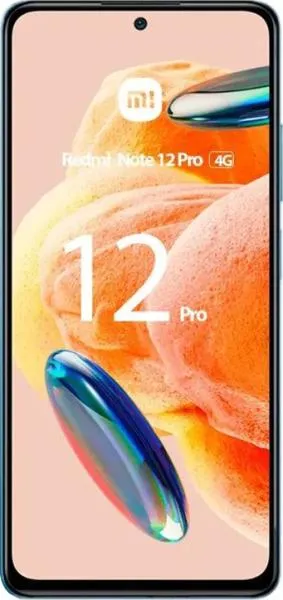

1. Specifications Comparison
| Feature | Xiaomi Redmi Note 12 Pro 4G | Oppo Reno12 | Practical Impact |
|---|---|---|---|
| Design | |||
| Dimensions (mm) | 164.2 x 76.1 x 8.1 | 161.4 x 74.1 x 7.6 | Oppo Reno12 is slightly smaller and thinner, potentially improving one-handed usability. |
| Weight (g) | 201.8 | 177 | Oppo Reno12 is noticeably lighter, reducing hand fatigue during extended use. |
| Fingerprint Sensor | Side-mounted | Under-display | Preference-based, but under-display is often perceived as more modern. |
| Display | |||
| Size (inches) | 6.67 | 6.7 | Negligible size difference. |
| Resolution (px) | 1080 x 2400 | 1080 x 2412 | Virtually identical resolution, resulting in similar sharpness. |
| Panel Type | AMOLED | AMOLED | Both offer vibrant colors and deep blacks. |
| Refresh Rate (Hz) | 120 | 120 | Both offer smooth scrolling and animations. |
| Peak Brightness (nits) | 1100 | 1200 | Oppo Reno12 might be slightly more visible in direct sunlight. |
| HDR | Dolby Vision | HDR10+ | Both support HDR standards, enhancing video quality. Dolby Vision generally offers better dynamic range but content availability is a factor. |
| Color Depth | Not specified | 1B | Oppo Reno12's 10-bit color offers smoother color gradations and a wider color gamut. |
| Performance | |||
| Chipset | Snapdragon 732G (8nm) | Dimensity 7300 (4nm) | Dimensity 7300 is newer and built on a smaller process, resulting in better performance and power efficiency. |
| CPU | Octa-core (2x2.2 GHz Kryo 470 Gold & 6x1.8 GHz Kryo 470 Silver) | Octa-core (4x2.5 GHz Cortex-A78 & 4x2.0 GHz Cortex-A55) | Oppo Reno12 has a more powerful CPU architecture, leading to faster app loading, multitasking, and gaming performance. |
| GPU | Adreno 618 | Mali-G615 MC2 | While Adreno GPUs generally have a reputation for gaming, the newer Dimensity chip likely offers comparable or better overall graphics performance. |
| RAM (GB) | 8 | 12 | Oppo Reno12 has significantly more RAM, enabling smoother multitasking and preventing app closures in the background. |
| OS | Android 11 | Android 14 | Oppo Reno12 ships with a newer Android version, offering more features, security updates, and potentially longer software support. |
| Camera | |||
| Main Camera (MP) | 108 | 50 | Redmi Note 12 Pro boasts higher resolution, but megapixel count doesn't solely determine image quality. Oppo utilizes a larger sensor (1/2") which could result in better low-light performance. |
| Video Recording | 4K@30fps | 4K@30fps with OIS, EIS | Oppo Reno12 features Optical Image Stabilization (OIS) and Electronic Image Stabilization (EIS), crucial for stable and smooth video footage. |
| Battery | |||
| Capacity (mAh) | 5000 | 5000 | Identical battery capacity. Real-world battery life depends on various factors including the more efficient chip in the Oppo. |
| Charging Speed | Not specified | Not specified | Cannot compare without charging speed details. |
2. Key Differences Analysis
Xiaomi Redmi Note 12 Pro 4G Advantages:
- Higher resolution main camera: Potentially more detailed photos in good lighting conditions.
Oppo Reno12 Advantages:
- More powerful and efficient processor: Noticeably faster performance in everyday tasks and potentially better battery life.
- More RAM: Superior multitasking capabilities.
- Newer Android version: Longer software support and newer features.
- OIS and EIS for video recording: Significantly improved video stability.
- Lighter and slimmer design: Enhanced portability and one-handed use.
- 10-bit Color Depth: Wider color gamut and more natural color transitions.
3. User Profiles & Recommendations
Xiaomi Redmi Note 12 Pro 4G: Budget-conscious users who prioritize a high-resolution main camera and decent performance.
Oppo Reno12: Users who value overall performance, smoother multitasking, a modern software experience, superior video recording capabilities, and a sleek design. The longer software update cycle is a strong advantage.
4. Decision Framework
Key Questions for Buyers:
- What is your budget? The Redmi Note 12 Pro 4G is likely more affordable.
- What are your primary use cases? The Oppo Reno12 is better suited for demanding tasks, gaming, and video recording.
- How important is software support and future updates? The Oppo Reno12, with Android 14 and a guaranteed update to 17, has a significant advantage here.
My Choice: Oppo Reno12
While the Redmi Note 12 Pro 4G might seem appealing due to its higher resolution main camera, the Oppo Reno12 offers a more compelling overall package. The significantly more powerful processor, increased RAM, newer Android version with longer support, and superior video stabilization make it a clear winner for me. The lighter and thinner design also enhances the user experience. While we lack specific camera sensor details for comparison, the larger sensor size in the Oppo combined with OIS suggests better overall image and video quality. The price difference is justified by the substantial performance and feature upgrades.
