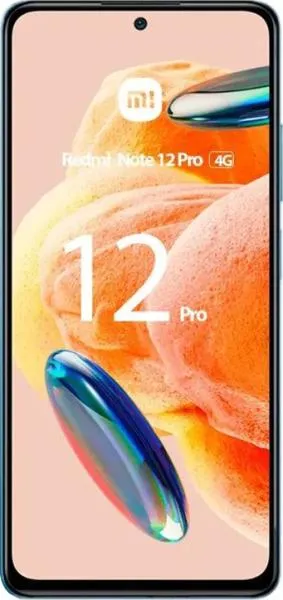

1. Specifications Comparison
| Feature | Xiaomi Redmi Note 12 Pro 4G | Oppo Reno11 | Practical Impact |
|---|---|---|---|
| Design | |||
| Dimensions (mm) | 164.2 x 76.1 x 8.1 | 162.4 x 74.3 x 7.9 | Reno11 is slightly smaller and thinner, potentially improving one-handed use. |
| Weight (g) | 201.8 | 182 | Reno11 is noticeably lighter, reducing hand fatigue during extended use. |
| Display | |||
| Size (inches) | 6.67 | 6.7 | Negligible size difference. |
| Resolution | 1080 x 2400 | 1080 x 2412 | Virtually identical resolutions, resulting in similar sharpness. |
| Type | AMOLED, 120Hz | AMOLED, 120Hz | Both offer smooth scrolling and animations thanks to the 120Hz refresh rate. |
| HDR | Dolby Vision | HDR10+ | Both support HDR for enhanced video content; specific format support may vary depending on streaming services. |
| Peak Brightness (nits) | 1100 | 950 | Redmi Note 12 Pro might offer slightly better visibility in direct sunlight. |
| Color Depth | Not specified | 1B | Reno11's 10-bit color depth offers a wider color gamut and smoother color gradients, potentially benefiting content creators and media consumers. |
| Performance | |||
| Chipset | Snapdragon 732G (8nm) | Dimensity 7050 (6nm) | Dimensity 7050, being built on a smaller process node, is likely more power efficient. Performance differences might exist but require real-world benchmarks for accurate comparison. |
| CPU | Octa-core (2x2.2 GHz Kryo 470 Gold & 6x1.8 GHz Kryo 470 Silver) | Octa-core (2x2.6 GHz Cortex-A78 & 6x2.0 GHz Cortex-A55) | Reno11's CPU features faster clock speeds, potentially offering better performance in demanding tasks. Architecture differences make direct clock speed comparison less meaningful; benchmarks are needed for clear conclusions. |
| GPU | Adreno 618 | Mali-G68 MC4 | GPU performance differences are difficult to assess without benchmarks. Both should handle everyday tasks and moderate gaming well. |
| RAM | 8GB | 12GB (Model Dependent) | Reno11 offers a 12GB RAM option, enabling better multitasking and smoother performance with numerous apps open. |
| OS | Android 11 | Android 14 | Reno11 ships with a newer Android version, providing access to the latest features, security updates, and potentially longer software support. |
| Camera | |||
| Main Camera | 108MP | 50MP | Redmi Note 12 Pro has a higher megapixel count, potentially capturing more detail. Image quality depends on sensor size, processing, and other factors. |
| Ultrawide | 8MP | 8MP | Similar ultrawide cameras. |
| Telephoto | None | 32MP | Reno11 offers a dedicated telephoto lens for optical zoom, enabling clearer zoomed-in shots compared to digital zoom. |
| Selfie | 16MP | 32MP | Reno11 has a higher resolution selfie camera. |
| Battery | |||
| Capacity | 5000 mAh | 5000 mAh | Similar battery capacities suggest comparable battery life, though real-world usage will vary. |
2. Key Differences Analysis
Xiaomi Redmi Note 12 Pro 4G Advantages:
- Potentially brighter display for better outdoor visibility.
- Higher resolution main camera (108MP).
Oppo Reno11 Advantages:
- Lighter and slightly smaller form factor.
- Newer Android version (Android 14) with longer software support.
- Dedicated telephoto lens for optical zoom.
- Higher resolution selfie camera (32MP).
- More RAM in the 12GB variant, improving multitasking.
- Potentially more power-efficient chipset.
3. User Profiles & Recommendations
Xiaomi Redmi Note 12 Pro 4G: Users prioritizing a high-resolution main camera and bright display for outdoor use might prefer this phone. Its lower price point makes it a potentially good value option.
Oppo Reno11: Users who value a lightweight and compact design, the latest software, optical zoom capabilities, and strong selfie performance would likely prefer the Reno11. Those who heavily multitask will appreciate the 12GB RAM option.
4. Decision Framework
Key Questions for Buyers:
- What is your budget? The Redmi Note 12 Pro is generally more affordable.
- What are your photography priorities? A high-resolution main camera vs. optical zoom and a strong selfie camera.
- How important is software and long-term support? Reno11 has a significant advantage with Android 14.
My Choice: Oppo Reno11
While the Redmi Note 12 Pro 4G boasts a higher resolution main camera, the Oppo Reno11 offers a more compelling overall package for my needs. The lighter and more compact design, coupled with the significantly newer Android version and longer software support, are major advantages. The dedicated telephoto lens for optical zoom is a valuable addition for photography enthusiasts, and the 12GB RAM option ensures smooth multitasking. While the Redmi Note 12 Pro might offer a slightly brighter display, the Reno11's overall feature set, including its superior selfie camera, makes it a better choice for me in the long run. I prioritize updated software, versatile camera capabilities, and a comfortable in-hand feel, making the Reno11 the clear winner.
