
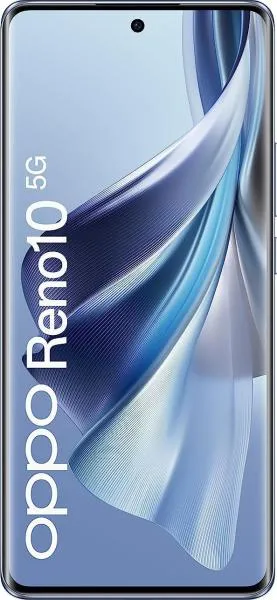
1. Specifications Comparison
| Feature | Xiaomi Redmi Note 12 Pro 4G | Oppo Reno10 | Practical Impact |
|---|---|---|---|
| Design | |||
| Dimensions (mm) | 164.2 x 76.1 x 8.1 | 162.4 x 74.2 x 8.0 | Oppo Reno10 is slightly smaller and more compact. |
| Weight (g) | 201.8 | 185 | Noticeable weight difference; Reno10 feels lighter in hand. |
| Fingerprint Sensor | Side-mounted | Under-display | Preference-based; under-display feels modern, side-mounted might be faster. |
| Display | |||
| Display Type | AMOLED, 120Hz | AMOLED, 120Hz | Both offer smooth scrolling and vibrant colors. |
| Display Size (inches) | 6.67 | 6.7 | Negligible size difference. |
| Resolution | 1080 x 2400 | 1080 x 2412 | Virtually identical sharpness. |
| HDR | Dolby Vision | HDR10+ | Both support HDR content, offering improved dynamic range. Minor difference in specific HDR format support. |
| Peak Brightness (nits) | 1100 | 950 | Redmi Note 12 Pro 4G might be slightly more readable in direct sunlight. |
| Color Depth | Not specified | 1B colors | Reno10 offers a wider color gamut, potentially resulting in more nuanced colors. |
| Performance | |||
| Chipset | Snapdragon 732G (8nm) | Dimensity 7050 (6nm) | Dimensity 7050 is built on a more efficient process, potentially leading to better battery life and slightly improved performance. |
| CPU | Octa-core (2x2.2 GHz Kryo 470 Gold & 6x1.8 GHz Kryo 470 Silver) | Octa-core (2x2.6 GHz Cortex-A78 & 6x2.0 GHz Cortex-A55) | Reno10 likely has a performance advantage due to faster core speeds and newer architecture. |
| GPU | Adreno 618 | Mali-G68 MC4 | Performance difference likely noticeable in demanding games; Mali-G68 MC4 generally performs better. |
| RAM | 8GB | 8GB | Identical RAM capacity. |
| OS | Android 11 | Android 13 | Reno10 has a newer Android version with more features, security updates, and potential performance optimizations. |
| Camera | |||
| Main Camera | 108MP, f/1.9 | 64MP, f/1.7 | Redmi Note 12 Pro 4G boasts higher resolution; Reno10 has a wider aperture potentially capturing more light in low-light conditions. Practical image quality depends on sensor and processing. |
| Ultrawide | 8MP | 8MP | Identical resolution. |
| Telephoto | None | 32MP, f/2.0 | Reno10 offers optical zoom capability, absent in the Redmi Note 12 Pro 4G. |
| Selfie | 16MP | 32MP | Reno10 has a higher resolution selfie camera. |
| Battery | |||
| Capacity | 5000mAh | 5000mAh | Identical battery capacity. Actual battery life depends on usage and efficiency. |
2. Key Differences Analysis
Xiaomi Redmi Note 12 Pro 4G Advantages:
- Higher resolution main camera: Potentially more detailed images.
- Brighter display: Better visibility in sunlight.
Oppo Reno10 Advantages:
- More recent and powerful chipset: Smoother performance, potentially better battery life.
- Newer Android version: More features and longer software support.
- Telephoto lens: Optical zoom capability for versatile photography.
- Lighter and slightly smaller: Improved handling and portability.
3. User Profiles & Recommendations
Xiaomi Redmi Note 12 Pro 4G: Users prioritizing a high-resolution main camera and bright display on a budget.
Oppo Reno10: Users who value overall performance, software updates, camera versatility (with telephoto), and a lighter, more modern design.
4. Decision Framework
Key Questions:
- Is a telephoto lens important for your photography?
- Do you prioritize the latest software and performance, or a high-resolution main camera?
- What is your budget? (Actual prices need to be compared based on region and storage configuration)
Scenario-Based Recommendations:
- Photography enthusiasts: Oppo Reno10 for its telephoto lens and versatile camera system.
- Performance-focused users: Oppo Reno10 for its newer chipset and Android version.
- Budget-conscious users: Redmi Note 12 Pro 4G if price is a major concern and a high-resolution main camera is desired.
My Choice: Oppo Reno10
While the Redmi Note 12 Pro 4G offers a higher resolution main camera and brighter display, the Oppo Reno10's advantages in performance, software, and camera versatility make it a more compelling overall package for me. The newer chipset and Android version ensure a smoother user experience and longer software support. The addition of a telephoto lens significantly enhances photographic capabilities. The lighter weight and smaller form factor are also appealing for daily use. While pricing can vary, the Reno10 offers a strong value proposition for its feature set. I prioritize long-term usability and a versatile camera system over a slightly higher resolution main camera, making the Reno10 the better choice in my opinion.
