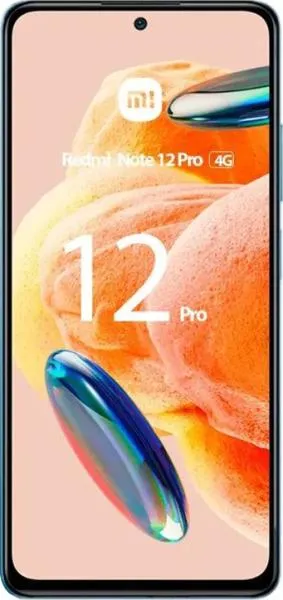
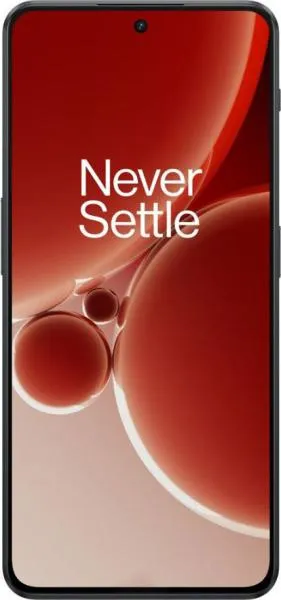
1. Specifications Comparison
| Feature | Xiaomi Redmi Note 12 Pro 4G | OnePlus Nord 3 | Practical Impact |
|---|---|---|---|
| Design | |||
| Dimensions (mm) | 164.2 x 76.1 x 8.1 | 162 x 75.1 x 8.2 | Virtually identical in size and feel. |
| Weight (g) | 201.8 | 193.5 | Negligible weight difference in daily use. |
| Display | |||
| Size (inches) | 6.67 | 6.74 | Nord 3 slightly larger, minimal difference in real-world usage. |
| Resolution (pixels) | 1080 x 2400 | 1240 x 2772 | Nord 3 noticeably sharper due to higher pixel density (451 ppi vs 395 ppi), resulting in crisper text and images. |
| Refresh Rate (Hz) | 120 | 120 | Both offer smooth scrolling and animations. |
| Display Type | AMOLED | AMOLED | Both offer vibrant colors and deep blacks. |
| Peak Brightness (nits) | 1100 | 1450 | Nord 3 significantly brighter, improving outdoor visibility. |
| HDR | Dolby Vision | HDR10+ | Both support HDR content, though specific format support may vary. |
| Performance | |||
| Chipset | Snapdragon 732G (8 nm) | Dimensity 9000 (4 nm) | Nord 3 significantly more powerful, enabling smoother multitasking, faster app loading, and better gaming performance. |
| CPU | Octa-core (2x2.2 GHz Kryo 470 Gold & 6x1.8 GHz Kryo 470 Silver) | Octa-core (1x3.05 GHz Cortex-X2 & 3x2.85 GHz Cortex-A710 & 4x1.80 GHz Cortex-A510) | Nord 3's CPU architecture provides a substantial performance advantage. |
| GPU | Adreno 618 | Mali-G710 MC10 | Nord 3's GPU offers significantly better graphics performance for demanding games and applications. |
| RAM (GB) | 8 | 8/16 | Nord 3 offers a 16GB RAM option, providing enhanced multitasking capabilities for power users. |
| Camera | |||
| Main Camera (MP) | 108 | 50 | While Redmi Note 12 Pro has higher resolution, Nord 3 uses a larger sensor (Sony IMX890) with OIS, likely resulting in better low-light performance and image quality overall. |
| Ultrawide (MP) | 8 | 8 | Comparable ultrawide cameras. |
| Video | 4K@30fps | 4K@60fps with EIS | Nord 3 offers higher resolution and frame rate video recording with electronic image stabilization (EIS) for smoother footage. |
| Battery | |||
| Capacity (mAh) | 5000 | 5000 | Similar battery capacity, expected similar battery life, though Nord 3's more efficient chipset might provide an edge. |
2. Key Differences Analysis
Xiaomi Redmi Note 12 Pro 4G Advantages:
- Potentially Lower Price: Depending on the specific configuration and retailer, the Redmi Note 12 Pro 4G may be more affordable.
OnePlus Nord 3 Advantages:
- Significantly Superior Performance: The Dimensity 9000 chipset delivers a substantial performance advantage over the Snapdragon 732G.
- Better Display: Sharper resolution, higher peak brightness for improved outdoor visibility.
- Superior Main Camera: The 50MP Sony IMX890 sensor with OIS likely produces better overall image quality, especially in low light, despite lower resolution.
- More Future-Proof: 5G connectivity, newer Android version (13) with longer OS update commitment (up to Android 16).
- Faster Video Recording: 4K@60fps with EIS.
3. User Profiles & Recommendations
Xiaomi Redmi Note 12 Pro 4G:
- Budget-conscious users: Prioritize affordability over top-tier performance.
- Light users: Primarily use their phone for basic tasks like calling, texting, social media, and web browsing.
OnePlus Nord 3:
- Performance enthusiasts: Demand smooth multitasking, lag-free gaming, and fast app loading.
- Content creators: Benefit from the superior camera and video recording capabilities.
- Users seeking future-proof features: Value 5G connectivity and longer software support.
4. Decision Framework
Key Questions for Buyers:
- What is your budget? The Redmi Note 12 Pro 4G is generally more affordable.
- What are your primary use cases? For demanding tasks, the Nord 3's superior performance is crucial.
- How important is future-proofing? The Nord 3 offers 5G and a longer software update commitment.
My Choice: OnePlus Nord 3
While the Redmi Note 12 Pro 4G offers a decent feature set for its price, the OnePlus Nord 3's superior performance, better display, more capable camera system, and future-proof features (5G and longer software updates) make it the clear winner for me. The price difference is justifiable considering the significant improvements across the board. The Dimensity 9000 provides a vastly improved user experience for demanding tasks and gaming, while the brighter, sharper display and better camera system enhance content consumption and creation. Even if budget is a concern, the higher upfront cost of the Nord 3 is likely a worthwhile investment in the long run due to its extended usability.
