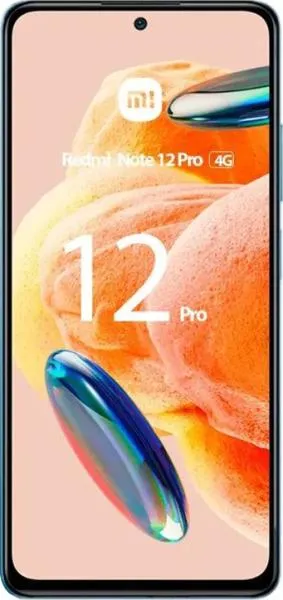
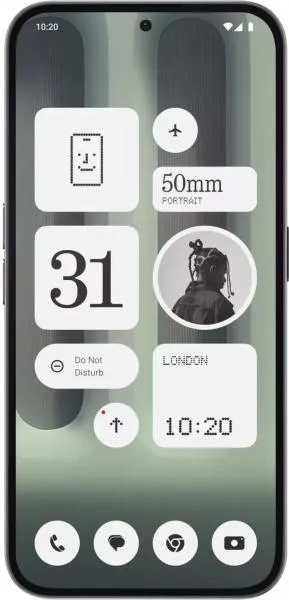
1. Specifications Comparison
| Feature | Xiaomi Redmi Note 12 Pro 4G | Nothing Phone (2a) Plus | Practical Impact |
|---|---|---|---|
| Design | |||
| Dimensions (mm) | 164.2 x 76.1 x 8.1 | 161.7 x 76.3 x 8.5 | Negligible size difference; both feel similar in hand. |
| Weight (g) | 201.8 | 190 | The Nothing Phone (2a) Plus is slightly lighter, improving one-handed use. |
| Fingerprint Sensor | Side-mounted | Under-display | Preference-based; both are reliable unlocking methods. |
| Display | |||
| Display Type | AMOLED, 120Hz | AMOLED, 120Hz, 1B colors | Both offer smooth scrolling and vivid colors, but the Nothing phone boasts a wider color gamut for more accurate color reproduction in professional applications or for discerning users. |
| Peak Brightness (nits) | 1100 | 1300 | The Nothing Phone (2a) Plus is brighter outdoors, improving readability in sunlight. |
| HDR Support | Dolby Vision | HDR10+ | Both support HDR content; visual differences are minor for average users. Dolby Vision content may look slightly better on the Redmi Note 12 Pro. |
| Performance | |||
| Chipset | Snapdragon 732G (8nm) | Dimensity 7350 Pro (4nm) | The Nothing Phone (2a) Plus, with its more efficient and newer 4nm process, likely offers better performance and battery life. |
| CPU | Octa-core (2x2.2 GHz & 6x1.8 GHz) | Octa-core (2x3.0 GHz & 6x2.0 GHz) | The Nothing Phone (2a) Plus has a faster CPU, resulting in smoother multitasking and app loading. |
| RAM | 8GB | 12GB | More RAM in the Nothing Phone (2a) Plus enables better multitasking and reduces app closures in the background. |
| OS | Android 11 | Android 14 | The Nothing Phone (2a) Plus ships with a newer Android version with more features, security updates, and longer software support. |
| Camera | |||
| Main Camera | 108MP | 50MP | While the Redmi has higher resolution, the Nothing Phone uses a larger sensor (Samsung GN9) known for good low-light performance. Image quality differences depend on individual needs and shooting conditions. |
| Ultrawide | 8MP | 50MP | The Nothing Phone offers a significantly better ultrawide camera with higher resolution and detail. |
| Video | 4K@30fps | 4K@30fps with EIS | Both can record 4K video, but the Nothing Phone (2a) Plus benefits from Electronic Image Stabilization (EIS) for smoother footage. |
| Battery | |||
| Capacity | 5000mAh | 5000mAh | Similar battery capacity; real-world battery life will depend on usage and software optimization. Given the Dimensity chip's efficiency, the Nothing Phone might offer slightly better battery life. |
2. Key Differences Analysis
Xiaomi Redmi Note 12 Pro 4G Advantages:
- Potentially Lower Price: Typically more affordable than the Nothing Phone (2a) Plus.
- Dolby Vision: Offers a potentially superior HDR experience for compatible content.
- Higher Resolution Main Camera: 108MP sensor potentially captures more detail in ideal lighting conditions.
Nothing Phone (2a) Plus Advantages:
- More Powerful Performance: Newer and more efficient chipset, faster CPU, and more RAM translate to smoother overall performance.
- Newer Software: Ships with Android 14, ensuring longer software updates and newer features.
- Better Ultrawide Camera: Significantly improved ultrawide sensor for higher quality wide-angle shots.
- Superior Video Stabilization: EIS ensures smoother video recording.
- Brighter Display: Improved outdoor visibility.
Trade-offs:
- The Redmi Note 12 Pro 4G sacrifices performance and newer software for a potentially lower price.
- The Nothing Phone (2a) Plus may be more expensive but provides a more well-rounded and future-proof experience.
3. User Profiles & Recommendations
Xiaomi Redmi Note 12 Pro 4G: Budget-conscious users prioritizing a large display, decent camera, and acceptable performance for everyday tasks. Suitable for casual photography, social media, and light gaming.
Nothing Phone (2a) Plus: Users prioritizing performance, a modern software experience, better cameras (especially ultrawide), and longer-term software support. Suitable for demanding tasks, mobile gaming, content creation, and users who value software updates.
4. Decision Framework
Key Questions for Buyers:
- What is your budget? The Redmi Note 12 Pro is a more budget-friendly option.
- What are your performance requirements? The Nothing Phone (2a) Plus significantly outperforms the Redmi.
- How important are software updates and future-proofing? The Nothing Phone (2a) Plus offers a much longer software support lifespan.
My Choice: Nothing Phone (2a) Plus
While the Redmi Note 12 Pro 4G offers a compelling price, the Nothing Phone (2a) Plus is the superior device overall. The newer processor, more RAM, updated Android version, better ultrawide camera, and video stabilization make it a more well-rounded and future-proof choice. The performance difference, longer software support, and superior camera quality outweigh the price difference for me. While the Redmi might be sufficient for casual users, the Nothing Phone (2a) Plus provides a noticeably better user experience in most scenarios.
