1. Specifications Comparison
| Feature | Xiaomi Redmi Note 12 Pro 4G | Nothing Phone (2a) | Practical Impact |
|---|---|---|---|
| Design | |||
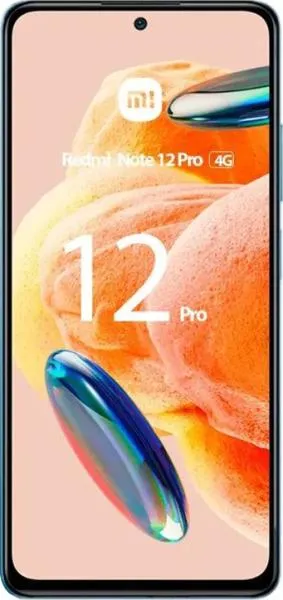
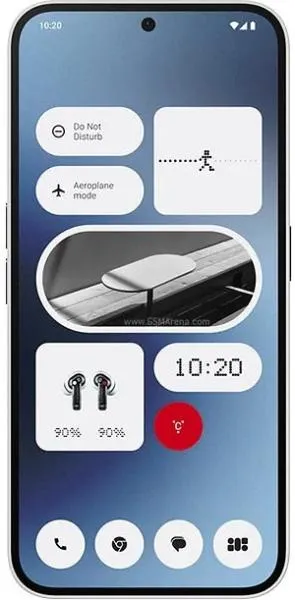
| Dimensions (mm) | 164.2 x 76.1 x 8.1 | 161.7 x 76.3 x 8.6 | Nothing Phone (2a) is slightly shorter and thicker. Negligible difference in daily use. |
| Weight (g) | 201.8 | 190 | Nothing Phone (2a) is noticeably lighter, improving one-handed use and reducing pocket bulk. |
| Display | |||
| Display Type | AMOLED, 120Hz | AMOLED, 120Hz, 1B colors, HDR10+ | Both offer smooth scrolling and vibrant colors. Nothing Phone (2a)'s 10-bit color depth provides smoother color gradients and HDR10+ allows for better dynamic range in supported content. |
| Peak Brightness (nits) | 1100 | 1300 | Nothing Phone (2a) offers better visibility in direct sunlight. |
| Performance | |||
| Chipset | Snapdragon 732G (8nm) | Dimensity 7200 Pro (4nm) | Dimensity 7200 Pro offers significantly better performance and efficiency due to newer architecture and smaller manufacturing process. Impacts app loading speed, multitasking, and gaming performance. |
| CPU | Octa-core (2x2.2 GHz Kryo 470 Gold & 6x1.8 GHz Kryo 470 Silver) | Octa-core (2x2.8 GHz Cortex-A715 & 6x 2.0 Cortex-A510) | Nothing Phone (2a) has a more powerful CPU architecture, leading to faster processing speeds. |
| GPU | Adreno 618 | Mali-G610 MC4 | Mali-G610 MC4 offers better graphical performance, leading to smoother gaming and faster rendering. |
| RAM | 8GB | 8/12GB | Both offer ample RAM for multitasking. 12GB option on Nothing Phone (2a) provides more headroom for demanding apps and future-proofing. |
| OS | Android 11 | Android 14 | Nothing Phone (2a) ships with a newer Android version, offering newer features, security updates, and longer software support. |
| Camera | |||
| Main Camera | 108MP, f/1.9 | 50MP, f/1.88, OIS | Xiaomi boasts higher resolution, but Nothing Phone (2a)'s larger sensor and OIS potentially deliver better low-light performance and video stability. Practical image quality depends on image processing. |
| Ultrawide | 8MP, f/2.2 | 50MP, f/2.2 | Nothing Phone (2a) offers a significantly higher resolution ultrawide camera, capturing more detail. |
| Selfie | 16MP, f/2.45 | 32MP, f/2.2 | Nothing Phone (2a) has a higher resolution selfie camera. |
| Battery | |||
| Capacity | 5000 mAh | 5000 mAh | Similar battery capacity. Actual battery life depends on usage and optimization. |
2. Key Differences Analysis
Xiaomi Redmi Note 12 Pro 4G Advantages:
- Higher resolution main camera: Potentially more detail in well-lit conditions.
Nothing Phone (2a) Advantages:
- Significantly better performance: Smoother multitasking, faster app loading, better gaming due to a more powerful and efficient chipset.
- More recent and updated software: Longer software support, newer features, and improved security.
- Superior display: Brighter, wider color gamut, and HDR10+ support.
- Lighter weight: More comfortable to hold and carry.
- Optical Image Stabilization (OIS): Sharper images in low light and steadier videos.
- 5G Connectivity: Future-proofed for faster data speeds.
Trade-offs:
- Xiaomi offers a higher resolution main camera sensor, but lacks OIS which is crucial for low-light performance and video stability. Nothing Phone (2a)'s lower resolution main camera could potentially offer better overall image quality due to its larger sensor size and OIS.
3. User Profiles & Recommendations
Xiaomi Redmi Note 12 Pro 4G:
- Budget-conscious users: Prioritize affordability over top-tier performance.
- Light users: Primarily use their phone for basic tasks like calling, texting, and social media browsing.
Nothing Phone (2a):
- Performance-focused users: Value smooth multitasking, gaming, and fast app loading.
- Photography enthusiasts: Appreciate OIS for better low-light photos and videos, and a high-quality ultrawide camera.
- Users seeking long-term software support: Value timely updates and security patches.
4. Decision Framework
Key Questions for Buyers:
- What is your budget? The Redmi Note 12 Pro 4G is generally more affordable.
- What are your primary phone usage patterns? For demanding tasks, the Nothing Phone (2a) is better equipped.
- How important are software updates and future-proofing? The Nothing Phone (2a) offers longer software support and 5G connectivity.
My Choice: Nothing Phone (2a)
While the Redmi Note 12 Pro 4G offers a high-resolution main camera, the Nothing Phone (2a) provides a significantly better overall package. Its superior performance, more modern design, up-to-date software, longer software support commitment, brighter display with HDR10+, and inclusion of OIS for the main camera make it a more compelling choice for the majority of users. The slightly higher price is justified by the substantial improvements in key areas that significantly impact the user experience. The performance difference alone would make a noticeable impact in daily use. Furthermore, the longer software support ensures the phone remains secure and relevant for a longer period. Finally, 5G connectivity future-proofs the device for evolving network infrastructure.
