1. Specifications Comparison
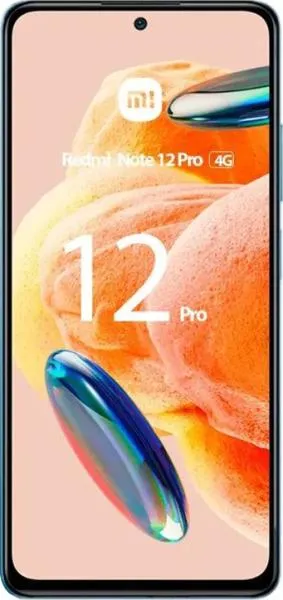
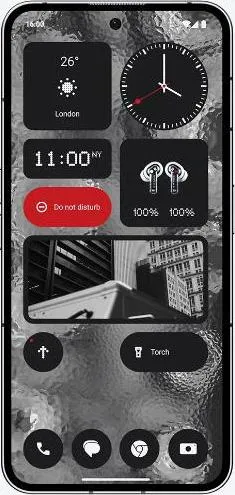
| Feature | Xiaomi Redmi Note 12 Pro 4G | Nothing Phone (2) | Practical Impact |
|---|---|---|---|
| Design | |||
| Dimensions (mm) | 164.2 x 76.1 x 8.1 | 162.1 x 76.4 x 8.6 | Virtually identical in hand feel. |
| Weight (g) | 201.8 | 201.2 | Negligible weight difference. |
| Build | Unspecified | Unspecified | Build quality comparison impossible without further data. |
| Display | |||
| Size (inches) | 6.67 | 6.7 | Nearly identical screen sizes. |
| Resolution | 1080 x 2400 | 1080 x 2412 | Minimal resolution difference, both sharp. |
| Type | AMOLED | LTPO OLED | Nothing Phone (2)'s LTPO panel allows for dynamic refresh rate adjustment, saving battery. Its peak brightness of 1600 nits offers superior outdoor visibility compared to the Redmi's 1100 nits. |
| Refresh Rate (Hz) | 120 | 120 | Both offer smooth scrolling and animations. |
| Color Depth | Unspecified | 1B | Nothing Phone (2) likely offers smoother color gradients and richer visuals. |
| HDR | Dolby Vision | HDR10+ | Both support HDR content, but different formats; content availability may vary slightly. |
| Performance | |||
| Chipset | Snapdragon 732G (8nm) | Snapdragon 8+ Gen 1 (4nm) | Significant performance difference. Nothing Phone (2) will handle demanding tasks and gaming much better due to the newer and more powerful processor. |
| CPU | Octa-core (2x2.2 GHz Kryo 470 Gold & 6x1.8 GHz Kryo 470 Silver) | Octa-core (1x3.0 GHz Cortex-X2 & 3x2.5 GHz Cortex-A710 & 4x1.80 GHz Cortex-A510) | Nothing Phone (2) has a more modern and powerful CPU architecture, leading to faster processing speeds. |
| GPU | Adreno 618 | Adreno 730 | Nothing Phone (2)'s GPU offers significantly better gaming performance and graphics rendering. |
| RAM | 8GB | 12GB | More RAM on the Nothing Phone (2) allows for smoother multitasking and better handling of background apps. |
| Camera | |||
| Main Camera | 108MP | 50MP | Higher megapixel count on Redmi Note 12 Pro doesn't guarantee better image quality. Nothing Phone (2) uses a larger sensor (Sony IMX890) known for good low-light performance. |
| Ultrawide | 8MP | 50MP | Significant difference in ultrawide resolution, favoring Nothing Phone (2) for wider and more detailed shots. |
| Macro | 5MP | Integrated with ultrawide | Dedicated macro lens on the Redmi might offer slightly better close-up shots, but the quality difference might be negligible in practice. |
| Video | 4K@30fps | 4K@60fps with OIS and EIS | Nothing Phone (2) offers superior video recording capabilities with higher resolution, frame rate, and stabilization. |
| Battery | |||
| Capacity (mAh) | 5000 | 4700 | Redmi Note 12 Pro has a slightly larger battery. However, the Nothing Phone (2)'s LTPO display could offset this difference in real-world usage. |
| Charging Speed | Unspecified | Unspecified | Charging speed comparison impossible without further data. |
2. Key Differences Analysis
Xiaomi Redmi Note 12 Pro 4G Advantages:
- Potentially longer battery life: Slightly larger battery capacity.
- Potentially more detailed macro shots: Dedicated macro lens.
Nothing Phone (2) Advantages:
- Significantly better performance: Superior processor and GPU for gaming, multitasking, and demanding applications.
- Superior Display: Brighter display with LTPO technology for better battery life and outdoor visibility.
- Better Camera System: Higher quality main and ultrawide sensors, better video recording capabilities with OIS and EIS.
- More RAM: Smoother multitasking and better performance.
- More up-to-date software: Ships with Android 13 and guaranteed updates to Android 16.
3. User Profiles & Recommendations
Xiaomi Redmi Note 12 Pro 4G:
- Budget-conscious users: Prioritize basic smartphone functions and long battery life over top-tier performance.
- Light users: Primarily use their phone for calls, texting, social media, and light web browsing.
Nothing Phone (2):
- Performance enthusiasts: Gamers, power users who demand smooth and responsive performance.
- Camera enthusiasts: Value high-quality photos and videos.
- Tech-savvy users: Appreciate the latest software and features.
4. Decision Framework
Key Questions:
- What is your budget? The Nothing Phone (2) is significantly more expensive.
- What are your primary smartphone usage patterns? Heavy gaming and multitasking favor the Nothing Phone (2).
- How important is camera quality to you? The Nothing Phone (2) offers a significantly better camera system overall.
My Choice: Nothing Phone (2)
While the Redmi Note 12 Pro 4G offers a larger battery and a lower price, the Nothing Phone (2)'s superior performance, significantly improved camera system, modern display technology, and longer software support make it the clear winner for me. The Snapdragon 8+ Gen 1 is a considerable upgrade over the 732G, ensuring a smooth user experience for years to come. The brighter LTPO display and the higher quality camera sensors are also compelling advantages. While the price difference is notable, the Nothing Phone (2) offers greater value in the long run due to its superior performance and longevity.
