1. Specifications Comparison
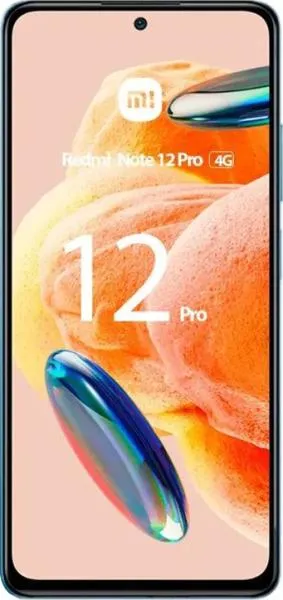
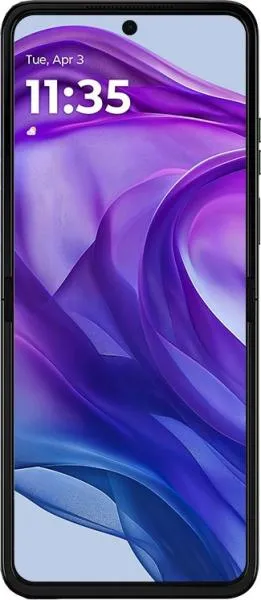
| Feature | Xiaomi Redmi Note 12 Pro 4G | Motorola Razr 50 Ultra | Practical Impact |
|---|---|---|---|
| Design | |||
| Dimensions (mm) | 164.2 x 76.1 x 8.1 | 171.4 x 74 x 7.1 | Razr 50 Ultra is slightly narrower and significantly thinner due to its foldable design, but taller when unfolded. Redmi is larger overall. Razr's foldability offers portability but potential durability concerns. |
| Weight (g) | 201.8 | 189 | Razr 50 Ultra is noticeably lighter despite its larger screen size, making it more comfortable for one-handed use and pocket carry. |
| Foldable | No | Yes | Razr's foldable design provides a compact form factor when closed but a full-sized screen when open. |
| Display | |||
| Display Size (inches) | 6.67 | 6.9 | Razr offers a slightly larger screen area for more immersive content consumption. |
| Resolution | 1080 x 2400 | 1080 x 2640 | Both have similar pixel density, resulting in sharp visuals. Razr's taller aspect ratio is better suited for web browsing and multitasking. |
| Refresh Rate (Hz) | 120 | 165 | Razr's higher refresh rate provides smoother animations and scrolling, especially noticeable in gaming and fast-paced content. |
| Display Type | AMOLED | Foldable LTPO AMOLED | Both offer vibrant colors and deep blacks. Razr's LTPO panel potentially enables dynamic refresh rate adjustment for power saving. Foldable screen introduces a crease and potential durability issues. |
| Peak Brightness (nits) | 1100 | 3000 | Razr's significantly higher peak brightness ensures excellent outdoor visibility, even in direct sunlight. |
| Performance | |||
| Chipset | Snapdragon 732G (8 nm) | Snapdragon 8+ Gen 1 (4 nm) | Razr 50 Ultra boasts a significantly more powerful processor, resulting in much faster performance in demanding tasks, multitasking, and gaming. |
| CPU | Octa-core (2x2.2 GHz Kryo 470 Gold & 6x1.8 GHz Kryo 470 Silver) | Octa-core (1x3.0 GHz Cortex-X4 & 4x2.8 GHz Cortex-A720 & 3x2.0 GHz Cortex-A520) | Razr has a newer and more powerful CPU architecture, delivering superior performance and efficiency. |
| RAM (GB) | 8 | 12 | Razr's larger RAM enables smoother multitasking and handling of more demanding applications. |
| Camera | |||
| Main Camera (MP) | 108 | 50 | Redmi has a higher megapixel count but megapixels alone don't determine image quality. Razr utilizes a larger sensor (Samsung GN8) known for excellent low-light performance. |
| Other Cameras | 8MP ultrawide, 2MP depth, 5MP macro, 16MP selfie | 50MP Telephoto + Portrait, 32MP selfie | Razr offers a more versatile camera setup with a dedicated telephoto lens for optical zoom. Redmi's macro and depth sensors are often of limited practical use. |
| Battery | |||
| Capacity (mAh) | 5000 | 4000 | Redmi has a significantly larger battery capacity, potentially offering longer battery life. Razr's foldable design and powerful processor might consume more power. |
2. Key Differences Analysis
Xiaomi Redmi Note 12 Pro 4G Advantages:
- Longer Battery Life: Significantly larger battery capacity.
- Lower Price: Typically more affordable.
Motorola Razr 50 Ultra Advantages:
- Significantly More Powerful: Much faster processor and more RAM.
- Foldable Design: Offers portability and a unique form factor.
- Higher Quality Display: Brighter, smoother, and more responsive display with HDR10+ support.
- More Versatile Camera System: Telephoto lens enables optical zoom.
3. User Profiles & Recommendations
Xiaomi Redmi Note 12 Pro 4G: Suitable for budget-conscious users prioritizing battery life and basic smartphone functionality. Ideal for:
- Casual users primarily using social media, browsing, and light gaming.
- Users who prioritize long battery life over top-tier performance.
Motorola Razr 50 Ultra: Suitable for users who value cutting-edge technology, portability, and a premium experience. Ideal for:
- Users who want a powerful and compact device for productivity and entertainment on the go.
- Early adopters who appreciate the novelty and convenience of a foldable phone.
- Users who prioritize performance and a high-quality display for gaming and media consumption.
4. Decision Framework
Key Questions for Buyers:
- Budget: How much are you willing to spend?
- Performance Needs: Do you need a powerful phone for demanding tasks or casual use is sufficient?
- Form Factor Preference: Do you prioritize portability and a unique design or a traditional smartphone form factor?
Scenario-Based Recommendations:
- Limited Budget, Basic Needs: Redmi Note 12 Pro 4G
- Power User, Premium Experience: Motorola Razr 50 Ultra
- Portability and Style Focused: Motorola Razr 50 Ultra
- Long Battery Life is Crucial: Xiaomi Redmi Note 12 Pro 4G
My Choice: Motorola Razr 50 Ultra
While the Redmi Note 12 Pro 4G offers excellent battery life and value for its price, the Motorola Razr 50 Ultra is the superior device overall. Its significantly faster processor, more RAM, stunning display, and innovative foldable design outweigh the benefits of the Redmi. I prioritize performance, a premium user experience, and the unique form factor. The trade-off of a smaller battery is acceptable considering the advancements in other areas. The Razr 50 Ultra feels like a device from the future, albeit one with a higher price tag.
