1. Specifications Comparison
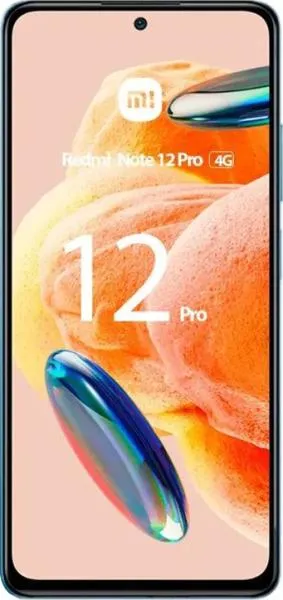
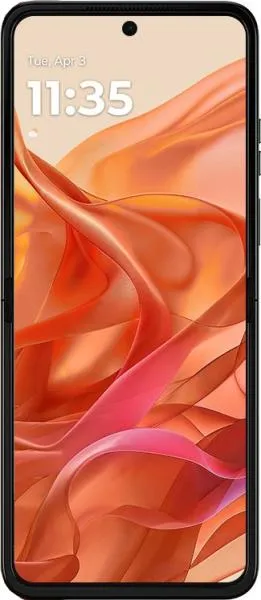
| Feature | Xiaomi Redmi Note 12 Pro 4G | Motorola Razr 50 | Practical Impact |
|---|---|---|---|
| Design | |||
| Dimensions (mm) | 164.2 x 76.1 x 8.1 | 171.3 x 74 x 7.3 | Razr 50 is narrower and thinner but taller due to its foldable design. Redmi is slightly heavier. Razr's foldability offers portability but potential durability concerns. |
| Weight (g) | 201.8 | 188.4 | |
| Foldable | No | Yes | Razr 50's foldable design allows for compact storage and a unique form factor. |
| Display | |||
| Display Type | AMOLED, 120Hz | Foldable LTPO AMOLED, 120Hz | Both offer smooth scrolling and vibrant colors. Razr 50's foldable display provides a larger screen in a smaller device and potentially better power efficiency with LTPO, though this is unconfirmed as is_ltpo is false. |
| Size (inches) | 6.67 | 6.9 | Razr 50 has a slightly larger main display. |
| Resolution (px) | 1080 x 2400 | 1080 x 2640 | Razr 50 has a slightly taller aspect ratio and higher resolution. |
| Peak Brightness (nits) | 1100 | 3000 | Razr 50 offers significantly higher peak brightness, improving outdoor visibility. |
| HDR | Dolby Vision | HDR10+ | Both support HDR standards for enhanced video content. Dolby Vision generally offers more dynamic range than HDR10+, but content availability varies. |
| Performance | |||
| Chipset | Snapdragon 732G (8 nm) | Dimensity 7300X (4 nm) | Dimensity 7300X is newer and built on a smaller process node, likely resulting in better performance and power efficiency. |
| CPU | Octa-core (2x2.2 GHz Kryo 470 Gold & 6x1.8 GHz Kryo 470 Silver) | Octa-core (4x2.5 GHz Cortex-A78 & 4x2.0 GHz Cortex-A55) | Razr 50's CPU architecture suggests superior performance, particularly in demanding tasks. |
| GPU | Adreno 618 | Mali-G615 MC2 | While specific benchmarks are needed, the Mali-G615 MC2 in the Razr 50 likely offers better graphical performance than the Adreno 618. |
| RAM (GB) | 8 | 8/12 (depending on version) | Razr 50 offers a 12GB RAM option, beneficial for multitasking and demanding applications. |
| OS | Android 11 | Android 14 | Razr 50 ships with a much newer Android version, offering newer features, security updates, and potentially longer software support. |
| Camera | |||
| Main Camera (MP) | 108 | 50 | Redmi has a higher resolution main sensor. However, megapixel count isn't everything; image quality depends on sensor size, aperture, and processing. |
| Ultrawide (MP) | 8 | 13 | Razr 50 has a higher resolution ultrawide camera. |
| Selfie Camera (MP) | 16 | 32 | Razr 50 boasts a significantly higher resolution selfie camera. |
| Video | 4K@30fps | 4K@30fps with EIS | Both record 4K video, but Razr 50 features Electronic Image Stabilization (EIS) for smoother footage. |
| Battery | |||
| Capacity (mAh) | 5000 | 4200 | Redmi Note 12 Pro has a larger battery capacity, likely resulting in longer battery life. However, Razr 50's newer chipset and potentially LTPO display could mitigate this difference. |
2. Key Differences Analysis
Xiaomi Redmi Note 12 Pro 4G Advantages:
- Larger Battery: Significantly larger battery capacity suggests longer usage time.
- Higher Resolution Main Camera: Potentially more detailed photos.
Motorola Razr 50 Advantages:
- Foldable Design: Unique form factor, increased portability.
- Newer and More Powerful Chipset: Improved performance and efficiency.
- More Recent OS: Access to latest Android features and longer software support.
- Brighter Display: Superior outdoor visibility.
- Video Stabilization: Smoother video recording.
Trade-offs:
- Razr 50: Foldable design might introduce durability concerns and comes with a smaller battery. Higher price for increased performance and newer technology.
- Redmi Note 12 Pro 4G: Older technology, less powerful, but offers a larger battery and lower price.
3. User Profiles & Recommendations
Xiaomi Redmi Note 12 Pro 4G:
- Ideal User: Budget-conscious users prioritizing battery life and a large screen. Users who prefer a traditional smartphone form factor.
- Use Cases: Everyday tasks, media consumption, casual photography.
Motorola Razr 50:
- Ideal User: Users who value portability and a unique, stylish design. Those who prioritize performance and newer technology and are willing to pay a premium.
- Use Cases: Multitasking, demanding applications, content creation, users who value a compact device.
4. Decision Framework
Key Questions for Buyers:
- Budget: How much are you willing to spend? The Razr 50 is significantly more expensive.
- Form Factor: Do you prioritize portability and a unique design (Razr 50), or a traditional smartphone experience (Redmi)?
- Performance Needs: Do you require high performance for demanding tasks and gaming, or is moderate performance sufficient?
Scenario-Based Recommendations:
- Limited Budget, Battery Life Priority: Redmi Note 12 Pro 4G
- Style and Portability Focused: Motorola Razr 50
- Performance and Latest Features: Motorola Razr 50
My Choice: Motorola Razr 50
While the Redmi Note 12 Pro 4G offers a compelling value proposition with its large battery and lower price, the Motorola Razr 50 is the more appealing device for me. The newer chipset, significantly more modern Android version, brighter display, and innovative foldable design outweigh the smaller battery capacity and higher price. I prioritize performance, the latest software, and portability, and I'm willing to pay a premium for those features. The Razr 50's unique form factor also appeals to me, offering a more compact device without sacrificing screen size. The inclusion of features like video stabilization further enhances the user experience. While the foldable screen introduces potential durability concerns, the overall package offered by the Razr 50 aligns better with my personal preferences and technology priorities.
