1. Specifications Comparison
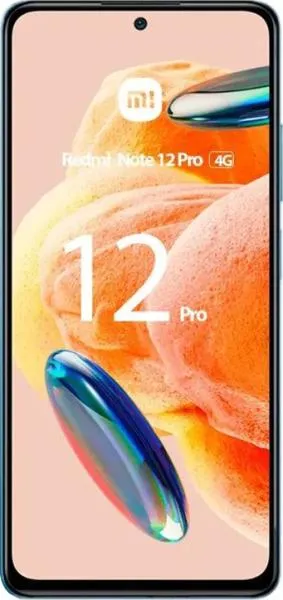
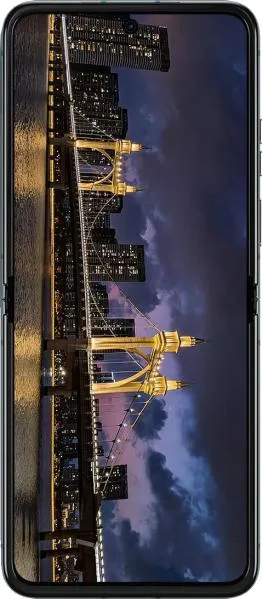
| Feature | Xiaomi Redmi Note 12 Pro 4G | Motorola Razr 40 Ultra | Practical Impact |
|---|---|---|---|
| Design | |||
| Dimensions (mm) | 164.2 x 76.1 x 8.1 | 170.8 x 74 x 7 | Razr 40 Ultra is noticeably thinner when unfolded but taller; Redmi is wider. Razr's foldability offers portability advantage. |
| Weight (g) | 201.8 | 184.5 | Razr 40 Ultra is lighter despite its complex hinge mechanism. |
| Foldable | No | Yes | Razr's foldable design allows for pocketability and a unique form factor, but introduces potential durability concerns. |
| Display | |||
| Size (inches) | 6.67 | 6.9 | Razr offers a slightly larger screen. |
| Resolution (px) | 1080 x 2400 | 1080 x 2640 | Both have similar pixel density, resulting in comparable sharpness. Razr's taller aspect ratio suits scrolling. |
| Type | AMOLED | Foldable LTPO AMOLED | Razr utilizes a more advanced, potentially power-efficient LTPO panel; its foldability necessitates a flexible display. |
| Refresh Rate (Hz) | 120 | 165 | Razr's higher refresh rate provides smoother animations and scrolling, beneficial for gaming and fast-paced content. |
| Peak Brightness (nits) | 1100 | 1400 | Razr's display is significantly brighter, improving outdoor visibility. |
| Performance | |||
| Chipset | Snapdragon 732G (8 nm) | Snapdragon 8+ Gen 1 (4 nm) | Razr boasts a significantly more powerful and efficient flagship chipset, resulting in superior performance and potentially better battery life despite smaller battery capacity. |
| CPU | Octa-core (2x2.2 GHz Kryo 470 Gold & 6x1.8 GHz Kryo 470 Silver) | Octa-core (1x3.19 GHz Cortex-X2 & 3x2.75 GHz Cortex-A710 & 4x1.80 GHz Cortex-A510) | Razr's CPU offers superior single-core and multi-core performance for demanding tasks and multitasking. |
| GPU | Adreno 618 | Adreno 730 | Razr's GPU provides a substantial leap in graphics performance, crucial for high-end gaming and graphically intensive applications. |
| RAM (GB) | 8 | 8/12 | Both offer ample RAM for multitasking; Razr offers a 12GB option for even more headroom. |
| Camera | |||
| Main Camera (MP) | 108 | 12 | Redmi boasts higher megapixel count; real-world image quality depends on sensor size, processing, and other factors not fully detailed here. |
| Front Camera (MP) | 16 | 32 | Razr has a significantly higher resolution front camera, beneficial for selfies and video calls. |
| Video Capabilities | 4K@30fps | 4K@60fps with HDR, EIS | Razr supports higher resolution and frame rate video recording with HDR and electronic image stabilization for smoother footage. |
| Battery | |||
| Capacity (mAh) | 5000 | 3800 | Redmi has a significantly larger battery. However, Razr's more efficient chipset might offset this difference in real-world usage. |
2. Key Differences Analysis
Xiaomi Redmi Note 12 Pro 4G Advantages:
- Larger Battery: Potentially longer battery life, but real-world usage depends on optimization.
- Higher Resolution Main Camera: Potentially more detailed photos, but this depends on other camera specifications not fully provided.
- Lower Price: Likely more affordable.
Motorola Razr 40 Ultra Advantages:
- Significantly More Powerful: Superior performance for demanding tasks and gaming due to a flagship chipset.
- Foldable Design: Increased portability and unique form factor.
- Higher Refresh Rate Display: Smoother user experience.
- Brighter Display: Better outdoor visibility.
- Higher Resolution Front Camera: Superior selfies and video calls.
- More Advanced Camera Features: HDR video recording, better image stabilization.
Trade-offs:
- Razr 40 Ultra: Smaller battery capacity, potentially higher price, durability concerns associated with foldable displays.
- Redmi Note 12 Pro 4G: Lower performance, less advanced display and camera features.
3. User Profiles & Recommendations
Xiaomi Redmi Note 12 Pro 4G: Budget-conscious users prioritizing battery life and a large screen. Suitable for everyday tasks, social media, and casual gaming.
Motorola Razr 40 Ultra: Users seeking cutting-edge technology, top-tier performance, and a unique foldable design. Ideal for power users, gamers, and those who value portability and style. Good for those who utilize the external screen for quick interactions.
4. Decision Framework
Key Questions for Buyers:
- Budget: How much are you willing to spend?
- Performance Needs: Do you require top-tier performance for demanding tasks and gaming?
- Form Factor Preference: Do you prioritize portability and a unique foldable design, or a traditional slab phone with potentially longer battery life?
Scenario-Based Recommendations:
- Limited Budget, Everyday Use: Redmi Note 12 Pro 4G.
- Power User, Gamer, Latest Technology: Razr 40 Ultra.
- Value Portability Above All Else: Razr 40 Ultra
My Choice: Motorola Razr 40 Ultra
While the Redmi Note 12 Pro 4G offers a larger battery and potentially a lower price, the Motorola Razr 40 Ultra is the superior device overall. Its significantly more powerful processor, higher refresh rate and brighter display, advanced camera features, and unique foldable design make it a compelling choice. I value the cutting-edge technology, smoother user experience, and portability offered by the Razr 40 Ultra. The performance difference between the Snapdragon 732G and the Snapdragon 8+ Gen 1 is substantial, impacting everything from app loading times to gaming capabilities. The foldable form factor, although potentially introducing durability concerns, offers a unique advantage in portability that outweighs the larger battery in the Redmi for my personal use. I am willing to accept the trade-off of a slightly smaller battery for the significant gains in performance and innovative design.
