1. Specifications Comparison
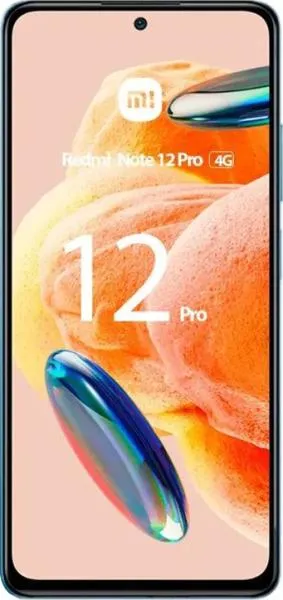
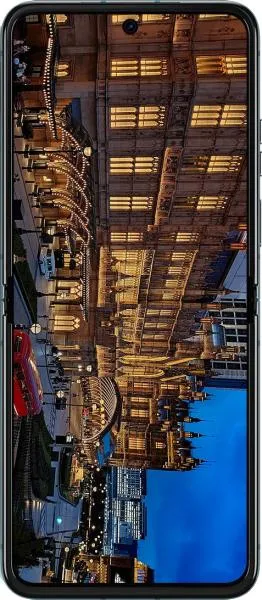
| Feature | Xiaomi Redmi Note 12 Pro 4G | Motorola Razr 40 | Practical Impact |
|---|---|---|---|
| Design | |||
| Dimensions (mm) | 164.2 x 76.1 x 8.1 | 170.8 x 74 x 7.4 | Razr 40 is slightly taller and narrower when unfolded, significantly smaller when folded. Redmi is thinner. Razr's foldability offers portability advantage. |
| Weight (g) | 201.8 | 188.6 | Razr 40 is noticeably lighter, important for daily carry, especially when folded. |
| Foldable | No | Yes | Razr 40's folding design allows for unique use cases and increased portability. |
| Build Material | Not specified | Not specified | Material affects durability and premium feel; information lacking for both. |
| Display | |||
| Display Size (inches) | 6.67 | 6.9 | Razr 40 offers a slightly larger main screen. |
| Resolution (px) | 1080 x 2400 | 1080 x 2640 | Razr 40 has a slightly taller aspect ratio and higher resolution, resulting in marginally sharper visuals. |
| Display Type | AMOLED, 120Hz | Foldable LTPO AMOLED, 144Hz | Both are AMOLED with high refresh rates for smooth visuals. Razr 40's LTPO potentially allows for more power-efficient variable refresh rate, though we don't know if it's implemented as such. Its higher 144Hz provides a smoother experience in supported content. Foldable display introduces crease considerations. |
| Peak Brightness (nits) | 1100 | 1400 | Razr 40 significantly brighter, improving outdoor visibility. |
| Performance | |||
| Chipset | Snapdragon 732G (8nm) | Snapdragon 7 Gen 1 (4nm) | Razr 40 has a significantly more powerful and efficient chipset, leading to better performance and potentially longer battery life. |
| CPU | Octa-core (2x2.2 GHz Kryo 470 Gold & 6x1.8 GHz Kryo 470 Silver) | Octa-core (1x2.4 GHz Cortex-A710 & 3x2.36 GHz Cortex-A710 & 4x1.8 GHz Cortex-A510) | Razr 40's CPU architecture is more modern and powerful. |
| GPU | Adreno 618 | Adreno 644 | Razr 40 has a more powerful GPU, resulting in better gaming and graphics performance. |
| RAM (GB) | 8 | 8 | Both phones offer the same amount of RAM. |
| Camera | |||
| Main Camera (MP) | 108 | 64 | Redmi has a higher resolution main sensor, but megapixels alone don't determine image quality. Sensor size and processing are crucial. Missing sensor details for Razr 40 limit comparison. |
| Ultrawide (MP) | 8 | 13 | Redmi has a lower resolution ultrawide. |
| Selfie Camera (MP) | 16 | 32 | Razr 40 has a much higher resolution selfie camera. |
| Battery | |||
| Capacity (mAh) | 5000 | 4200 | Redmi has significantly larger battery capacity, potentially leading to longer battery life. However, Razr 40's more efficient chip could offset this difference. |
| Charging Speed | Not specified | Not specified | Charging speed significantly impacts usability; information lacking for both. |
2. Key Differences Analysis
Xiaomi Redmi Note 12 Pro 4G Advantages:
- Larger Battery: Potentially longer battery life.
- Higher Resolution Main Camera: Potentially more detailed photos in ideal conditions.
Motorola Razr 40 Advantages:
- Significantly More Powerful: Smoother performance in demanding tasks and games.
- Foldable Design: Increased portability and unique usability.
- Brighter Display: Better outdoor visibility.
- Higher Refresh Rate Display: Smoother scrolling and animations.
- More Modern OS: Access to newer features and longer software support.
Trade-offs:
- Razr 40: Smaller battery capacity despite a more efficient chip; Foldable display crease; potentially higher price.
- Redmi Note 12 Pro 4G: Less powerful processor; lower peak brightness; older Android version.
3. User Profiles & Recommendations
Xiaomi Redmi Note 12 Pro 4G: Users prioritizing battery life and affordability over raw performance and modern features. Suitable for everyday tasks, media consumption, and casual gaming.
Motorola Razr 40: Users valuing portability, innovation, and performance. Ideal for those who want a compact, powerful phone with a unique foldable design. Suitable for demanding tasks, gaming, and multimedia consumption. The external display also allows for quick interactions without unfolding.
4. Decision Framework
Key Questions:
- Is foldability a priority? If yes, the Razr 40 is the only option.
- What is your budget? Consider the price difference and value proposition of each phone.
- What are your performance needs? For demanding tasks and gaming, the Razr 40's superior hardware is crucial.
My Choice: Motorola Razr 40
While the Redmi Note 12 Pro 4G offers a larger battery and higher resolution main camera, the Motorola Razr 40's advantages are more compelling for my needs. The significantly more powerful processor, modern OS with longer update support, brighter and smoother display, and innovative foldable design outweigh the Redmi's advantages. The portability of a folding phone and the performance boost offered by the Snapdragon 7 Gen 1 are key factors in my decision. I'm willing to accept the trade-offs of a slightly smaller battery and potentially higher price for the overall superior user experience and future-proofing offered by the Razr 40. The quick interactions afforded by the external display also significantly improve usability in many situations. Finally, while the Redmi's 108MP camera seems appealing, the lack of complete sensor information for the Razr 40 prevents a proper camera comparison. Real-world camera performance often depends more on processing and sensor size than megapixel count.
