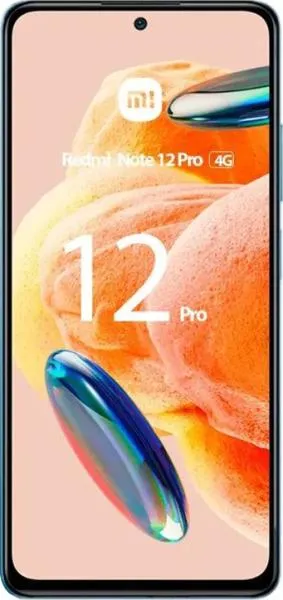

1. Specifications Comparison
| Feature | Xiaomi Redmi Note 12 Pro 4G | Motorola Moto G85 | Practical Impact |
|---|---|---|---|
| Design | |||
| Dimensions (mm) | 164.2 x 76.1 x 8.1 | 161.9 x 73.1 x 7.6 | Moto G85 is slightly smaller and thinner, potentially more comfortable for one-handed use. |
| Weight (g) | 201.8 | 171 | Moto G85 is noticeably lighter, reducing hand fatigue during extended use. |
| Fingerprint Sensor | Side-mounted | Under-display | Preference-based, but under-display is often perceived as more modern. |
| Display | |||
| Display Type | AMOLED | pOLED | Both offer excellent color and contrast. pOLED might be slightly more power efficient. |
| Refresh Rate (Hz) | 120 | 120 | Both provide smooth scrolling and animations. |
| Peak Brightness (nits) | 1100 | 1600 | Moto G85 offers significantly higher peak brightness, improving outdoor visibility. |
| Color Depth | Not specified | 1B | Moto G85 supports a wider color gamut, resulting in more vibrant and accurate colors. |
| Performance | |||
| Chipset | Snapdragon 732G (8nm) | Snapdragon 6s Gen 3 (6nm) | G85 uses a more efficient manufacturing process (6nm). Performance differences may be noticeable in demanding tasks. |
| CPU | Octa-core (2x2.2 GHz Kryo 470 Gold & 6x1.8 GHz Kryo 470 Silver) | Octa-core (2x2.3 GHz Cortex-A78 & 6x2.0 GHz Cortex-A55) | G85's CPU might offer slightly better performance due to newer architecture, but real-world difference needs benchmarking. |
| GPU | Adreno 618 | Adreno 619 | Marginal GPU difference; both are suitable for casual gaming. |
| RAM (GB) | 8 | 12 | G85 offers more RAM, enabling better multitasking and smoother performance with multiple apps. |
| OS | Android 11 | Android 14 | G85 ships with a much newer Android version, offering feature and security updates for longer. |
| Camera | |||
| Main Camera (MP) | 108 | 50 | Redmi Note 12 Pro boasts higher resolution, potentially capturing more detail. G85 utilizes pixel binning for improved low-light performance. |
| Video Recording | 4K@30fps | 1080p@60fps | Redmi Note 12 Pro offers higher resolution video recording, while G85 can record smoother 1080p at 60fps. |
| Battery | |||
| Capacity (mAh) | 5000 | 5000 | Similar battery capacity, actual battery life depends on usage and optimization. |
2. Key Differences Analysis
Redmi Note 12 Pro 4G Advantages:
- Higher resolution main camera: Potentially better detail in photos.
- 4K video recording: Enables higher quality video capture.
Moto G85 Advantages:
- More modern and efficient chipset: Better performance and power efficiency.
- Larger RAM: Smoother multitasking.
- Newer Android OS: Longer software support and more features.
- Brighter Display: Improved outdoor visibility.
- Lighter and Slimmer Design: Enhanced portability and one-handed use.
3. User Profiles & Recommendations
Redmi Note 12 Pro 4G: Users prioritizing camera resolution and 4K video recording on a budget.
Moto G85: Users prioritizing performance, longevity (software updates), brighter display, and a lighter, more modern design. Suitable for users who multitask frequently and value a smoother user experience.
4. Decision Framework
Key Questions for Buyers:
- Is camera resolution and 4K video recording paramount?
- How important is long-term software support and performance in demanding tasks?
- What is your budget, and which phone offers better value for the price?
My Choice: Motorola Moto G85
While the Redmi Note 12 Pro 4G boasts a higher resolution camera, the Moto G85 offers a more compelling overall package for my needs. The newer chipset, more RAM, latest Android version (with longer support), brighter display, and lighter design outweigh the camera advantage for me. I value a smooth, future-proof phone with good performance and battery life over slightly higher camera resolution. The Moto G85's more modern hardware and software ensure a better long-term user experience. Furthermore, the price difference is not significant enough to justify choosing the Redmi Note 12 Pro 4G based solely on camera specs.
