1. Specifications Comparison
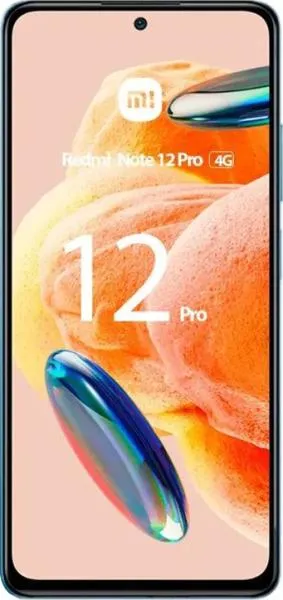
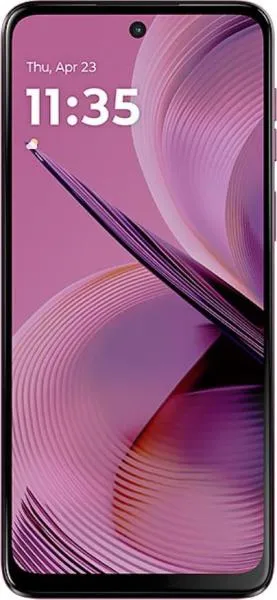
| Feature | Xiaomi Redmi Note 12 Pro 4G | Motorola Moto G55 | Practical Impact |
|---|---|---|---|
| Design | |||
| Dimensions (mm) | 164.2 x 76.1 x 8.1 | 161.6 x 73.8 x 8.1 | Moto G55 is slightly smaller and may feel more comfortable in hand. |
| Weight (g) | 201.8 | 179 | Moto G55 is noticeably lighter, reducing hand fatigue during extended use. |
| Display | |||
| Display Type | AMOLED, 120Hz | IPS LCD, 120Hz | Redmi Note 12 Pro offers deeper blacks, more vibrant colors, and potentially better power efficiency due to AMOLED technology. |
| Display Size (inches) | 6.67 | 6.49 | Redmi Note 12 Pro has a slightly larger display, providing a more immersive viewing experience. |
| Resolution | 1080 x 2400 | 1080 x 2400 | Both phones have the same sharp resolution. |
| Dolby Vision | Yes | No | Redmi Note 12 Pro supports Dolby Vision for enhanced HDR video playback with compatible content. |
| Performance | |||
| Chipset | Snapdragon 732G (8nm) | Dimensity 7025 (6nm) | Moto G55 likely has better performance and power efficiency due to a more modern and efficient chipset built on a smaller process node. |
| CPU | Octa-core (2x2.2 GHz Kryo 470 Gold & 6x1.8 GHz Kryo 470 Silver) | Octa-core (2x2.5 GHz Cortex-A78 & 6x2.0 GHz Cortex-A55) | Moto G55's CPU architecture suggests superior performance, particularly in demanding tasks. |
| GPU | Adreno 618 | IMG BXM-8-256 | Difficult to compare without benchmarks, but the Dimensity chip usually offers competitive GPU performance. |
| RAM | 8GB | 8GB | Both phones offer ample RAM for multitasking. |
| OS | Android 11 | Android 14 | Moto G55 comes with a newer Android version, offering potential feature and security advantages. |
| Camera | |||
| Main Camera | 108MP | 50MP | Redmi Note 12 Pro boasts a higher resolution main sensor, potentially capturing more detail. However, megapixel count isn't the sole determinant of image quality. |
| Optical Image Stabilization | No | Yes | Moto G55 has OIS, leading to significantly improved stability for photos and videos, especially in low light. |
| Video Recording | 4K@30fps | 1080p@60fps | Redmi Note 12 Pro can record higher resolution video, while Moto G55 is limited to 1080p but at a smoother 60fps. |
| Battery | |||
| Capacity | 5000mAh | 5000mAh | Both phones have identical battery capacities, but real-world battery life will depend on software optimization and usage patterns. |
2. Key Differences Analysis
Xiaomi Redmi Note 12 Pro 4G Advantages:
- Superior Display: AMOLED technology offers richer visuals. Dolby Vision support enhances HDR content.
- Higher Resolution Main Camera: Potentially captures more detail in photos.
Motorola Moto G55 Advantages:
- More Powerful and Efficient Chipset: Likely provides smoother performance and better battery life.
- Newer Android Version: Access to latest features and security updates.
- Optical Image Stabilization: Significantly improves photo and video stability.
- Lighter and More Compact: Enhances one-handed usability.
3. User Profiles & Recommendations
Xiaomi Redmi Note 12 Pro 4G: Users prioritizing display quality and a high-resolution camera, primarily for still photography.
Motorola Moto G55: Users prioritizing overall performance, battery life, a more modern software experience, and stable video recording.
4. Decision Framework
Key Questions for Buyers:
- Is display quality the top priority? If yes, the Redmi Note 12 Pro's AMOLED screen is a strong contender.
- How important is long-term software support and performance? The Moto G55's newer Android version and more efficient chipset offer advantages here.
- Is stable video recording crucial? Moto G55's OIS makes it the clear winner for video.
My Choice: Motorola Moto G55
While the Redmi Note 12 Pro offers a compelling display and high-resolution camera, the Moto G55's superior performance, newer software (Android 14), optical image stabilization, and lighter weight make it a more well-rounded device for long-term use. The benefits of a more modern chipset and OS updates outweigh the advantages of the Redmi Note 12 Pro for me. The inclusion of OIS is a significant advantage for everyday photography and video recording. Although the Redmi Note 12 Pro has a 108MP camera, the lack of OIS might hinder its real-world performance, particularly in challenging lighting conditions. The Moto G55's overall package offers better value and a more future-proof experience.
