1. Specifications Comparison
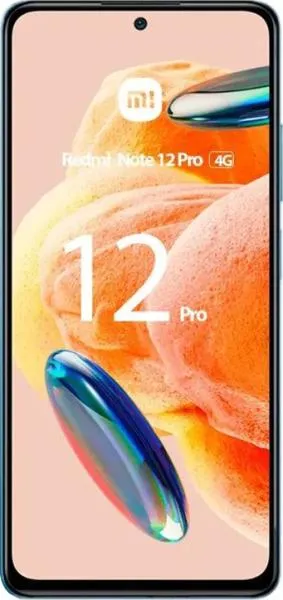
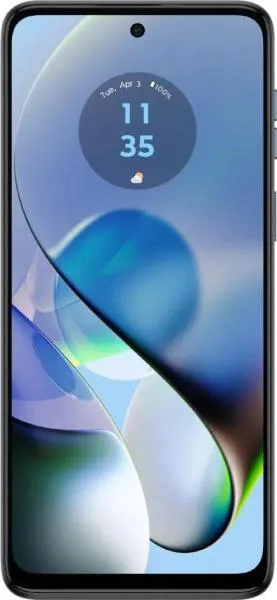
| Feature | Xiaomi Redmi Note 12 Pro 4G | Motorola Moto G54 | Practical Impact |
|---|---|---|---|
| Design | |||
| Dimensions (mm) | 164.2 x 76.1 x 8.1 | 161.6 x 73.8 x 8.0 | Moto G54 is slightly smaller and more compact, potentially easier to handle. |
| Weight (g) | 201.8 | 177 | Moto G54 is noticeably lighter, reducing hand fatigue during extended use. |
| Display | |||
| Type | AMOLED | IPS LCD | Redmi Note 12 Pro offers deeper blacks, more vibrant colors, and potentially better power efficiency due to AMOLED technology. Moto G54's IPS LCD might offer better color accuracy in bright sunlight. |
| Size (inches) | 6.67 | 6.5 | Redmi Note 12 Pro has a slightly larger display, providing more screen real estate for media consumption. |
| Resolution | 1080 x 2400 | 1080 x 2400 | Both have the same sharp resolution, suitable for everyday tasks. |
| Refresh Rate (Hz) | 120 | 120 | Both offer smooth scrolling and animations thanks to the 120Hz refresh rate. |
| Performance | |||
| Chipset | Snapdragon 732G (8nm) | Dimensity 7020 (6nm) | Moto G54's Dimensity 7020, built on a smaller process node, likely offers better power efficiency and potentially improved performance. |
| CPU | Octa-core (2x2.2 GHz Kryo 470 Gold & 6x1.8 GHz Kryo 470 Silver) | Octa-core (2x2.2 GHz Cortex-A78 & 6x2.0 GHz Cortex-A55) | Dimensity 7020 uses newer CPU core architecture (Cortex-A78 vs Kryo 470 Gold), suggesting a potential performance advantage for the Moto G54 in demanding tasks. |
| GPU | Adreno 618 | IMG BXM-8-256 | Difficult to compare GPUs directly without benchmarks. Real-world gaming performance might vary. |
| RAM (GB) | 8 | 8 | Both offer sufficient RAM for multitasking. |
| OS | Android 11 | Android 13 | Moto G54 ships with a newer Android version, offering potential feature and security advantages. |
| Camera | |||
| Main Camera (MP) | 108 | 50 | Redmi Note 12 Pro boasts a higher resolution main sensor, potentially capturing more detail. However, megapixel count isn't the sole determinant of image quality. Moto G54 features OIS, potentially resulting in better low-light and video performance. |
| Other Cameras | 8MP ultrawide, 2MP macro, 2MP depth | 2MP macro | Redmi Note 12 Pro offers a more versatile camera setup with an ultrawide lens. |
| Battery | |||
| Capacity (mAh) | 5000 | 5000 | Both have the same battery capacity, but real-world battery life will depend on factors like display type, chipset efficiency, and usage patterns. |
2. Key Differences Analysis
Xiaomi Redmi Note 12 Pro 4G Advantages:
- Superior Display: AMOLED offers more vibrant colors and deeper blacks.
- Higher Resolution Main Camera: Potentially captures more detail in photos.
- More Versatile Camera System: Includes an ultrawide lens.
Motorola Moto G54 Advantages:
- More Efficient Chipset: Dimensity 7020 (6nm) likely offers better performance and battery life compared to the Snapdragon 732G (8nm).
- Newer Android Version: Ships with Android 13, providing the latest features and security updates.
- Lighter and More Compact: Easier to handle and carry.
- Optical Image Stabilization (OIS): Offers significantly better low-light performance and smoother video recording.
3. User Profiles & Recommendations
Xiaomi Redmi Note 12 Pro 4G: Ideal for users who prioritize display quality and camera versatility. Suitable for media consumption, casual photography, and social media.
Motorola Moto G54: Ideal for users who prioritize performance, battery life, and a more compact form factor. Suitable for everyday tasks, light gaming, and those seeking a longer-lasting battery.
4. Decision Framework
Key Questions for Buyers:
- Is display quality a top priority? If yes, the Redmi Note 12 Pro's AMOLED screen is a strong advantage.
- How important is long-term software support and performance? The Moto G54's newer Android version and more efficient chipset are significant here.
- What is your budget and storage needs? Compare available storage options and prices for each phone.
My Choice: Motorola Moto G54
While the Redmi Note 12 Pro offers a compelling display and camera system, the Moto G54's superior performance, newer Android version, longer battery life (due to efficient chipset), lighter weight, and OIS for the camera make it the more well-rounded device for my needs. The advantages of the Moto G54 outweigh the Redmi's benefits in display and camera resolution for my personal usage. I value a smooth, efficient user experience and long-term software support, which the Moto G54 is better positioned to provide. Also, OIS is a crucial factor for good quality photos and videos, especially in challenging lighting conditions. Finally, the lighter weight is a significant advantage for comfortable daily use.
