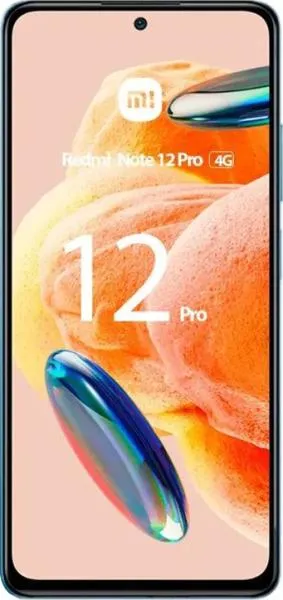
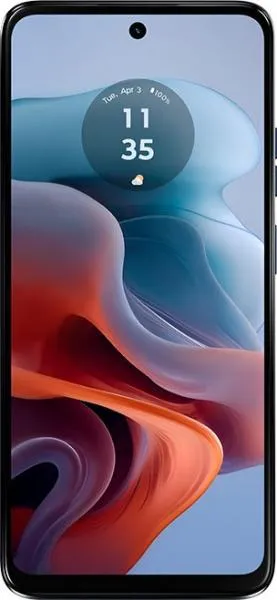
1. Specifications Comparison
| Feature | Xiaomi Redmi Note 12 Pro 4G | Motorola Moto G34 | Practical Impact |
|---|---|---|---|
| Design | |||
| Dimensions (mm) | 164.2 x 76.1 x 8.1 | 162.7 x 74.6 x 8.0 | Redmi is slightly larger; negligible difference in daily use. |
| Weight (g) | 201.8 | 179 | Moto G34 is noticeably lighter, more comfortable for extended use. |
| Display | |||
| Display Type | AMOLED, 120Hz | IPS LCD, 120Hz | Redmi offers more vibrant colors, deeper blacks, and better outdoor visibility due to AMOLED technology. |
| Resolution | 1080 x 2400 | 720 x 1600 | Redmi's significantly higher resolution provides sharper text and images. Moto G34's lower resolution might appear pixelated to some users. |
| Refresh Rate | 120Hz | 120Hz | Both offer smooth scrolling and animations. |
| Performance | |||
| Chipset | Snapdragon 732G (8nm) | Snapdragon 695 5G (6nm) | Moto G34 has a slightly more efficient chip and 5G connectivity. Redmi's chip might offer slightly better performance in demanding tasks, but real-world difference may be minimal. |
| CPU | Octa-core (2x2.2 GHz & 6x1.8 GHz) | Octa-core (2x2.2 GHz & 6x1.7 GHz) | Negligible performance difference in everyday tasks. |
| GPU | Adreno 618 | Adreno 619 | Minor GPU difference; Moto G34 might have a slight edge in gaming. |
| RAM | 8GB | 4GB/8GB | Redmi's 8GB RAM ensures smoother multitasking and less app reloading. The 4GB RAM variant of the Moto G34 may struggle with heavy multitasking. |
| Camera | |||
| Main Camera | 108MP | 50MP | Redmi boasts a higher resolution main camera, potentially capturing more detail. Image quality depends heavily on software processing, which is not fully comparable from specs alone. |
| Ultrawide | 8MP | Not specified | Redmi offers an ultrawide lens for wider shots, Moto G34 specifications lack clarity on this. |
| Video Recording | 4K@30fps | 1080p@30fps | Redmi supports higher resolution video recording. |
| Battery | |||
| Capacity | 5000 mAh | 5000 mAh | Similar battery capacity; real-world battery life depends on usage and software optimization. |
2. Key Differences Analysis
Redmi Note 12 Pro 4G Advantages:
- Superior Display: AMOLED with higher resolution provides a significantly better visual experience.
- More Versatile Camera System: Higher resolution main sensor and the inclusion of an ultrawide lens.
- Higher Resolution Video Recording: 4K recording capability.
Moto G34 Advantages:
- 5G Connectivity: Future-proofed for faster network speeds.
- Lighter Weight: More comfortable for one-handed use and extended periods.
- Potentially Lower Price: Depending on configuration and market. The provided prices suggest the Moto G34 might be cheaper, especially the 4GB RAM variant.
3. User Profiles & Recommendations
Redmi Note 12 Pro 4G: Users who prioritize media consumption (videos, photos), gaming, and a vibrant display.
Moto G34: Users who prioritize 5G connectivity, a lightweight phone, and value for money. Suitable for basic tasks like browsing, social media, and communication.
4. Decision Framework
Key Questions for Buyers:
- Is 5G connectivity crucial? If yes, the Moto G34 is the only option.
- How important is display quality? If a vibrant, sharp display is a priority, the Redmi offers a significant advantage.
- What is your budget? Consider the price difference between the two phones in relation to your needs.
My Choice: Xiaomi Redmi Note 12 Pro 4G
While the Moto G34 offers 5G and a lighter weight, the Redmi Note 12 Pro 4G's significantly better display, more versatile camera system, and higher resolution video recording make it the more compelling device for me. I prioritize media consumption and appreciate a high-quality visual experience, making the Redmi's AMOLED display a major deciding factor. The slightly higher weight is a trade-off I'm willing to make for the superior screen and camera features. Furthermore, the 8GB RAM on the Redmi ensures smoother performance in the long run compared to the 4GB variant of the Moto G34. While 5G is a nice-to-have, I am satisfied with 4G speeds in my current location, making it less of a priority.
