1. Specifications Comparison
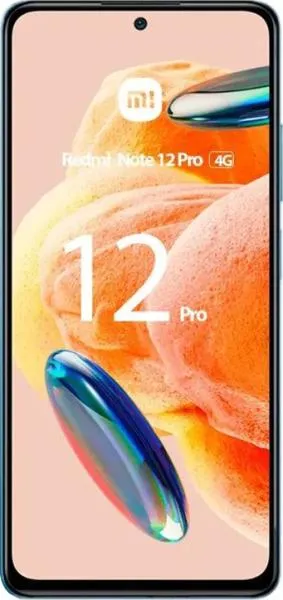
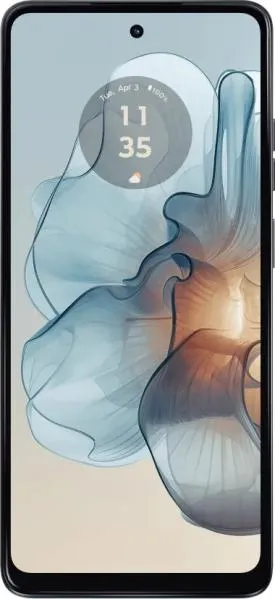
| Feature | Xiaomi Redmi Note 12 Pro 4G | Motorola Moto G24 Power | Practical Impact |
|---|---|---|---|
| Design | |||
| Dimensions (mm) | 164.2 x 76.1 x 8.1 | 163.5 x 74.5 x 9 | Redmi is slightly taller and thinner. Negligible difference in hand feel. |
| Weight (g) | 201.8 | 197 | Virtually identical weight. |
| Build | Unspecified | Unspecified | Build quality cannot be compared without further information. |
| Display | |||
| Display Type | AMOLED, 120Hz | IPS LCD, 90Hz | Redmi offers significantly better contrast, colors, and viewing angles with AMOLED. 120Hz provides smoother scrolling and animations compared to 90Hz on the Moto. |
| Resolution | 1080 x 2400 | 720 x 1612 | Redmi's display is much sharper and more detailed. Moto's lower resolution will be noticeable in everyday use. |
| PPI | 395 | 269 | Reinforces the sharpness difference; text and images will be clearer on the Redmi. |
| Peak Brightness | 1100 nits (typical), 1200 nits (peak) | 537 nits (peak) | Redmi will be significantly more visible in sunlight. |
| Performance | |||
| Chipset | Snapdragon 732G (8nm) | Helio G85 (12nm) | Redmi's Snapdragon chip generally offers better performance and efficiency although the Helio G85 is newer. |
| CPU | Octa-core (2x2.2 GHz Kryo 470 Gold & 6x1.8 GHz Kryo 470 Silver) | Octa-core (2x2.0 GHz Cortex-A75 & 6x1.7 GHz Cortex-A55) | Redmi likely has a slight performance edge in demanding tasks. |
| GPU | Adreno 618 | Mali-G52 MC2 | Redmi's GPU likely provides better gaming performance. |
| RAM | 8GB | 8GB | Equal RAM capacity for multitasking. |
| OS | Android 11 | Android 14 | Moto G24 Power ships with a much more modern Android version with newer features and security updates. |
| Camera | |||
| Main Camera | 108MP, f/1.9 | 50MP, f/1.8 | Redmi boasts higher resolution, but real-world image quality depends on sensor and processing, which needs further analysis. |
| Ultrawide | 8MP, f/2.2 | 8MP, f/2.2 | Similar ultrawide specifications on paper. |
| Video Recording | 4K@30fps | 1080p@30fps | Redmi offers higher resolution video recording. |
| Battery | |||
| Capacity | 5000 mAh | 6000 mAh | Moto G24 Power has significantly larger battery capacity, likely resulting in longer battery life. |
2. Key Differences Analysis
Xiaomi Redmi Note 12 Pro 4G Advantages:
- Superior Display: AMOLED with 120Hz refresh rate offers a dramatically better visual experience.
- Better Performance: The Snapdragon 732G provides a performance advantage for demanding tasks and gaming.
- Higher Resolution Camera & Video: Offers more detail in photos and videos.
Motorola Moto G24 Power Advantages:
- Significantly Longer Battery Life: The 6000 mAh battery will last much longer on a single charge.
- More Recent Operating System: Android 14 offers the latest features and security updates.
- Lower Price: Positioned in the "low price" range, offering better value for budget-conscious users.
Trade-offs:
- Redmi: Older Android version, smaller battery capacity despite superior performance, potentially higher price.
- Moto: Lower resolution display, less powerful processor, lower resolution video recording capability.
3. User Profiles & Recommendations
Xiaomi Redmi Note 12 Pro 4G: Users who prioritize display quality, performance, and camera capabilities over battery life and are willing to pay a bit more. Suitable for:
- Mobile gamers
- Content consumers (video streaming, social media)
- Photography enthusiasts
Motorola Moto G24 Power: Users who prioritize long battery life and value for money. Ideal for:
- Users with heavy daily usage
- Travelers
- Users on a tight budget
4. Decision Framework
Key Questions for Buyers:
- What is your budget? The Moto G24 Power is significantly cheaper.
- How important is display quality and performance? The Redmi excels in these areas.
- How important is battery life? The Moto G24 Power offers much longer battery life.
Scenario-Based Recommendations:
- Tight Budget, Long Battery Essential: Moto G24 Power
- Moderate Budget, Balanced Usage: Redmi Note 12 Pro 4G (if the price difference is acceptable)
- Performance and Visuals Priority: Redmi Note 12 Pro 4G
My Choice: Xiaomi Redmi Note 12 Pro 4G
While the Motorola Moto G24 Power's long battery life is tempting, the significantly better display and performance of the Redmi Note 12 Pro 4G are more important to me. I value a smooth and responsive user experience, and the AMOLED display with 120Hz refresh rate is a major selling point. I'm also willing to compromise slightly on battery life for better performance and camera capabilities. The older Android version is a concern, but custom ROMs could potentially mitigate this issue. The price difference is a factor, but if it's within a reasonable range, the Redmi's superior user experience makes it the better choice for my needs.
