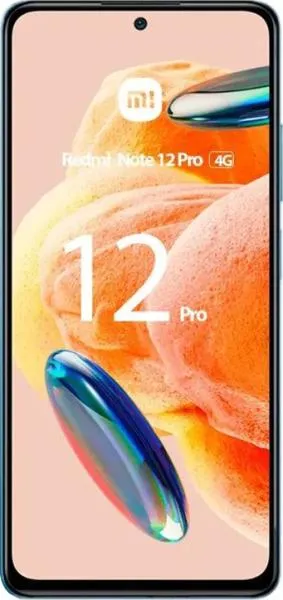
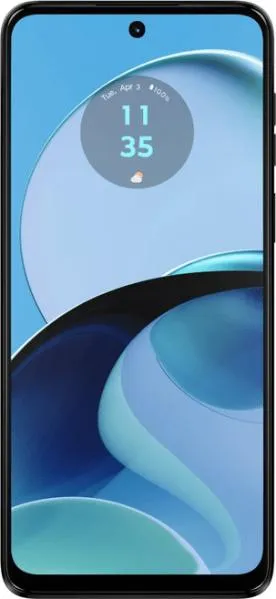
1. Specifications Comparison
| Feature | Xiaomi Redmi Note 12 Pro 4G | Motorola Moto G14 | Practical Impact |
|---|---|---|---|
| Design | |||
| Dimensions (mm) | 164.2 x 76.1 x 8.1 | 161.5 x 73.8 x 8.0 | Redmi is slightly taller and wider. Negligible difference in thickness. |
| Weight (g) | 201.8 | 177 | Moto G14 is noticeably lighter, more comfortable for extended use. |
| Display | |||
| Display Type | AMOLED, 120Hz | IPS LCD | Redmi offers more vibrant colors, deeper blacks, and smoother scrolling due to AMOLED and 120Hz refresh rate. Moto G14's LCD might appear less vibrant and have motion blur. |
| Size (inches) | 6.67 | 6.5 | Redmi has a slightly larger display, providing more screen real estate. |
| Resolution | 1080 x 2400 | 1080 x 2400 | Identical resolution, sharpness is similar on both. |
| Dolby Vision | Yes | No | Redmi supports Dolby Vision for enhanced HDR video playback with compatible content, resulting in better dynamic range and colors. |
| Performance | |||
| Chipset | Snapdragon 732G (8nm) | Unisoc Tiger T616 (12nm) | Redmi's Snapdragon chip generally offers better performance and efficiency. |
| CPU | Octa-core (2x2.2 GHz & 6x1.8 GHz) | Octa-core (2x2.0 GHz & 6x1.8 GHz) | Redmi likely has a slight edge in CPU performance due to faster prime cores. |
| GPU | Adreno 618 | Mali-G57 MP1 | Redmi's GPU is significantly more powerful, enabling smoother gaming and faster graphics rendering. |
| RAM | 8GB | 4/8GB (Variant Dependent) | 8GB RAM on the Redmi allows for better multitasking and app switching compared to the 4GB Moto G14 variant. |
| Camera | |||
| Main Camera | 108MP | 50MP | Redmi boasts higher resolution, potentially capturing more detail. However, image quality depends on factors beyond resolution. |
| Video Recording | 4K@30fps, 1080p@60fps | 1080p@30fps | Redmi offers 4K recording and higher frame rate options for smoother, more detailed videos. |
| Front Camera | 16MP | 8MP | Redmi's selfie camera has higher resolution. |
| Battery | |||
| Capacity | 5000 mAh | 5000 mAh | Similar battery capacity, expected battery life should be comparable but depends on usage and optimization. |
| OS | Android 11 | Android 13 | Moto G14 comes with a newer Android version, offering potential benefits in features, security, and optimization. Redmi's older OS might lack some newer features. |
2. Key Differences Analysis
Xiaomi Redmi Note 12 Pro 4G Advantages:
- Superior Display: AMOLED with 120Hz offers a significantly better visual experience.
- Stronger Performance: Snapdragon chipset and Adreno GPU provide a noticeable advantage in speed and graphics.
- More Versatile Camera: Higher resolution main camera, 4K video recording, and more features.
Motorola Moto G14 Advantages:
- Lighter and More Compact: Easier to handle and carry.
- Newer Android Version: Benefits from the latest features and security updates.
- Lower Price: Offers a more budget-friendly option.
3. User Profiles & Recommendations
Xiaomi Redmi Note 12 Pro 4G: Suitable for users who prioritize performance, display quality, and camera capabilities. Ideal for gaming, media consumption, and photography enthusiasts.
Motorola Moto G14: Best for budget-conscious users who prioritize basic functionality, a lightweight design, and the latest Android features. Suitable for everyday tasks like calling, texting, browsing, and light media consumption.
4. Decision Framework
Key Questions for Buyers:
- What is your budget? The Moto G14 is significantly cheaper.
- What are your performance needs? Gamers and power users will prefer the Redmi Note 12 Pro 4G.
- How important is display quality? The Redmi's AMOLED display is a major differentiator.
My Choice: Xiaomi Redmi Note 12 Pro 4G
While the Motorola Moto G14 offers excellent value for its price, the Xiaomi Redmi Note 12 Pro 4G is the better overall phone for me. The superior AMOLED display, significantly better performance (crucial for long-term usability), and more versatile camera system outweigh the benefits of the Moto G14's lighter weight and newer Android version (which can be addressed through custom ROMs in the Redmi if desired). The price difference is justifiable considering the substantial improvements in user experience offered by the Redmi. I prioritize a smooth, responsive device with a great screen for media consumption and casual gaming, making the Redmi the clear winner for my needs.
