1. Specifications Comparison
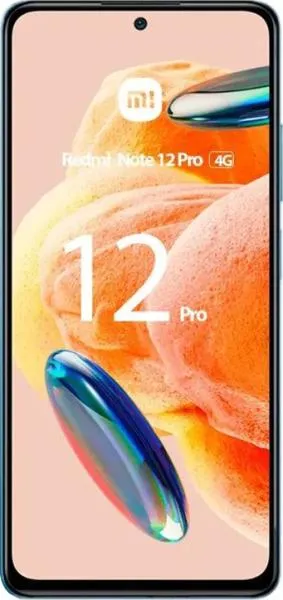
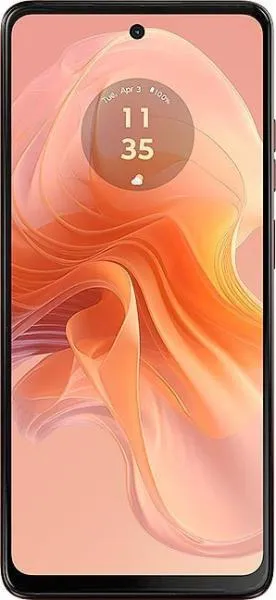
| Feature | Xiaomi Redmi Note 12 Pro 4G | Motorola Moto G04s | Practical Impact |
|---|---|---|---|
| Design | |||
| Dimensions (mm) | 164.2 x 76.1 x 8.1 | 163.5 x 74.5 x 8.0 | Negligible size difference; both feel similar in hand. |
| Weight (g) | 201.8 | 178.8 | Moto G04s is noticeably lighter, reducing hand fatigue during extended use. |
| Build Material | Unspecified | Unspecified | Cannot compare durability and premium feel without knowing materials. |
| Display | |||
| Display Type | AMOLED, 120Hz | IPS LCD, 90Hz | Redmi's AMOLED offers richer colors, deeper blacks, and better power efficiency in dark mode. 120Hz provides smoother scrolling and animations compared to 90Hz on the Moto. |
| Resolution | 1080 x 2400 | 720 x 1612 | Redmi has a significantly sharper display, resulting in clearer text and images. Moto's lower resolution might appear pixelated. |
| PPI | 395 | 269 | Reinforces the sharpness difference; Redmi's display is much crisper. |
| Peak Brightness | 1200 nits (unverified) | Unspecified | Redmi likely offers better outdoor visibility, but cannot confirm without Moto's peak brightness data. |
| Performance | |||
| Chipset | Snapdragon 732G (8nm) | Unisoc T606 (12nm) | Redmi's Snapdragon chip generally offers better performance and efficiency than the Unisoc chip. |
| CPU | Octa-core (2x2.2 GHz Kryo 470 Gold & 6x1.8 GHz Kryo 470 Silver) | Octa-core (2x1.6 GHz Cortex-A75 & 6x1.6 GHz Cortex-A55) | Redmi's CPU has higher clock speeds, translating to faster app loading and multitasking. |
| GPU | Adreno 618 | Mali-G57 MP1 | Redmi's GPU is more powerful, enabling smoother gaming and graphics-intensive tasks. |
| RAM | 8GB | 4GB | Redmi's 8GB RAM allows for more apps to run in the background and better multitasking performance. |
| Camera | |||
| Main Camera | 108MP Samsung S5KHM2 | 50MP Samsung S5KJN1 | Redmi boasts higher resolution, potentially capturing more detail. However, sensor size and processing play a crucial role in image quality, which cannot be fully assessed here. |
| Selfie Camera | 16MP Sony IMX471 | 5MP Unspecified Sensor | Redmi's selfie camera has a much higher resolution and a known high-quality sensor, suggesting superior selfie quality. |
| Video Recording | 4K@30fps, 1080p@60fps | 1080p@30fps | Redmi offers 4K video recording and higher frame rate options for smoother slow-motion videos. |
| Battery | |||
| Capacity | 5000 mAh | 5000 mAh | Similar battery capacities suggest comparable battery life, though real-world usage varies depending on other factors. |
| Charging Speed | Unspecified | Unspecified | Cannot compare charging speeds without specific data. |
2. Key Differences Analysis
Redmi Note 12 Pro 4G Advantages:
- Superior Display: AMOLED with higher resolution, refresh rate, and likely brighter. Significantly better visual experience.
- Stronger Performance: More powerful chipset, CPU, and GPU for smoother operation and gaming.
- More Versatile Camera System: Higher resolution main and selfie cameras, 4K video recording, dedicated macro and depth sensors.
- More RAM: 8GB ensures smoother multitasking and better performance with demanding apps.
Moto G04s Advantages:
- Lighter Weight: More comfortable for extended use.
- Potentially Lower Price: Based on available price data, G04s might be more affordable. But specific model/storage comparisons are needed for accurate assessment.
- Newer Android Version: Ships with Android 14, offering potential software advantages and longer support.
Trade-offs:
- The Redmi Note 12 Pro prioritizes performance and display quality over potentially lower price and lighter weight.
- The Moto G04s prioritizes affordability and a newer Android version, sacrificing performance and display quality.
3. User Profiles & Recommendations
Redmi Note 12 Pro 4G: Users who value a vibrant display, smooth performance, strong camera capabilities, and don't mind a slightly heavier phone. Ideal for:
- Mobile gamers: Powerful GPU and high refresh rate display.
- Content consumers: Excellent for watching videos and browsing media due to the AMOLED screen.
- Photography enthusiasts: Versatile camera system for capturing various shots.
Moto G04s: Budget-conscious users who prioritize basic functionality, a lightweight design, and the latest Android version. Suitable for:
- Casual users: Primarily using the phone for calling, texting, and light browsing.
- Users on a tight budget: Offers essential features at a potentially lower price.
4. Decision Framework
Key Questions for Buyers:
- What is your budget? The Moto G04s is likely cheaper.
- What are your primary phone usage patterns? Gamers and media consumers will appreciate the Redmi's superior display and performance.
- How important is display quality and performance? The Redmi significantly outperforms the Moto in these areas.
My Choice: Xiaomi Redmi Note 12 Pro 4G
While the Moto G04s offers a newer Android version and lighter weight, the Redmi Note 12 Pro 4G's significant advantages in display quality, performance, and camera capabilities make it the clear winner for me. I prioritize a smooth and enjoyable user experience, and the Redmi's AMOLED display, powerful Snapdragon chipset, and 8GB of RAM deliver that. The higher resolution and versatile camera system are also substantial benefits. The slightly heavier weight is a minor trade-off I'm willing to make for the overall superior experience. The Moto G04s is a decent budget option, but the compromises in core areas like display and performance are too significant for my personal preferences. The Redmi offers a much better value proposition for the features it provides.
