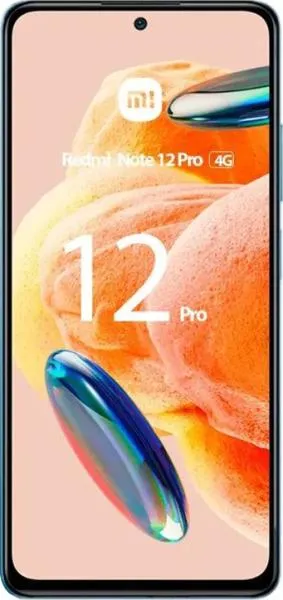
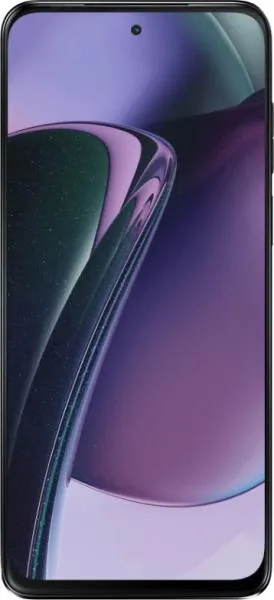
1. Specifications Comparison
| Feature | Xiaomi Redmi Note 12 Pro 4G | Motorola Moto G Stylus 5G (2023) | Practical Impact |
|---|---|---|---|
| Design | |||
| Dimensions (mm) | 164.2 x 76.1 x 8.1 | 162.8 x 73.8 x 9.2 | Redmi is slightly taller and narrower, Moto is thicker. Negligible difference in hand feel for most users. |
| Weight (g) | 201.8 | 202 | Virtually identical weight. |
| Build | Unspecified | Unspecified | Build quality and materials cannot be compared due to lack of information. |
| Display | |||
| Display Type | AMOLED, 120Hz | IPS LCD, 120Hz | AMOLED offers deeper blacks, more vibrant colors, and potentially better power efficiency in dark mode. IPS LCDs generally have better color accuracy in bright conditions. |
| Display Size (inches) | 6.67 | 6.6 | Negligible size difference. |
| Resolution | 1080 x 2400 | 1080 x 2400 | Identical resolution, resulting in similar sharpness. |
| Peak Brightness (nits) | 1100 (peak), 700 typical | Unspecified | Redmi's known higher peak brightness ensures better outdoor visibility. Moto's unspecified brightness makes comparison impossible. |
| Performance | |||
| Chipset | Snapdragon 732G (8nm) | Snapdragon 6 Gen 1 (4nm) | Moto's newer, more efficient 4nm chipset likely offers better performance and battery life than Redmi's 8nm. |
| CPU | Octa-core (2x2.2 GHz Kryo 470 Gold & 6x1.8 GHz Kryo 470 Silver) | Octa-core (4x2.2 GHz Cortex-A78 & 4x1.8 GHz Cortex-A55) | Moto's CPU architecture is generally considered more powerful and modern. |
| GPU | Adreno 618 | Adreno 710 | Moto's GPU is significantly more powerful, offering smoother gaming and faster graphics rendering. |
| RAM | 8GB | 6GB/8GB (variant dependent) | 8GB RAM on both (in higher Moto variant) ensures smooth multitasking. |
| Storage | 128GB/256GB | 128GB/256GB (variant dependent) | Comparable storage options. |
| OS | Android 11 | Android 13 | Moto ships with a newer Android version, offering potential feature and security advantages. Redmi's maximum Android version is unknown. |
| Camera | |||
| Main Camera | 108MP | 50MP | Redmi boasts higher resolution, potentially capturing more detail. However, image quality depends on factors beyond resolution, such as sensor size and processing. |
| Ultrawide | 8MP | 8MP + Macro | Similar ultrawide resolution. Moto combines ultrawide with a dedicated macro lens, offering more versatile close-up shots. Redmi has a separate, dedicated 5MP macro lens. |
| Selfie | 16MP | 16MP | Similar selfie camera resolution. |
| Video | 4K@30fps | 4K@30fps | Comparable video recording capabilities. Moto offers 240fps slow-motion vs. Redmi's 960fps, but Redmi's higher frame rate may result in lower resolution slow-motion video. |
| Battery | |||
| Capacity | 5000mAh | 5000mAh | Identical battery capacity. Actual battery life depends on usage and optimization. |
| Charging Speed | Unspecified | Unspecified | Charging speed comparison is impossible without specific details. |
2. Key Differences Analysis
Xiaomi Redmi Note 12 Pro 4G Advantages:
- AMOLED Display: Superior contrast, color vibrancy, and potentially better power efficiency in dark mode.
- Higher Resolution Main Camera: Potentially captures more detail in photos.
Motorola Moto G Stylus 5G (2023) Advantages:
- More Powerful Chipset & GPU: Smoother performance, better gaming, faster processing.
- More Recent Android Version: Access to newer features and security updates.
- 5G Connectivity: Faster mobile data speeds where available. Stylus functionality for note-taking and drawing. More versatile ultrawide/macro camera combination.
3. User Profiles & Recommendations
Redmi Note 12 Pro 4G: Users prioritizing display quality and a high-resolution main camera on a budget. Suitable for media consumption, casual photography, and general use.
Moto G Stylus 5G (2023): Users prioritizing performance, future-proofing with 5G, and the latest Android features. Ideal for gaming, demanding tasks, and those seeking stylus functionality.
4. Decision Framework
Key Questions for Buyers:
- Is 5G connectivity essential? Moto offers 5G, while Redmi is 4G only.
- Which display technology is preferred? AMOLED (Redmi) for vibrant colors and deep blacks or IPS LCD (Moto) for potential color accuracy in bright environments?
- Is raw camera resolution or overall system performance more important? Redmi boasts a higher resolution main camera, while Moto provides a more powerful chipset and GPU.
My Choice: Motorola Moto G Stylus 5G (2023)
While the Redmi Note 12 Pro 4G offers a stunning AMOLED display and a high-resolution camera, the Moto G Stylus 5G provides a more well-rounded package for my needs. The significantly more powerful processor and GPU, along with the newer Android version and 5G connectivity, make it a more future-proof device. The added stylus functionality is a bonus for note-taking and sketching. While I appreciate a good display, the performance advantages and longevity offered by the Moto G Stylus 5G outweigh the benefits of the Redmi's AMOLED screen. The lack of clear brightness specifications for the Moto is a concern, but the overall package leans heavily in its favor given the superior performance and feature set.
