1. Specifications Comparison
| Feature | Xiaomi Redmi Note 12 Pro 4G | Motorola Moto G (2023) | Practical Impact |
|---|---|---|---|
| Design | |||
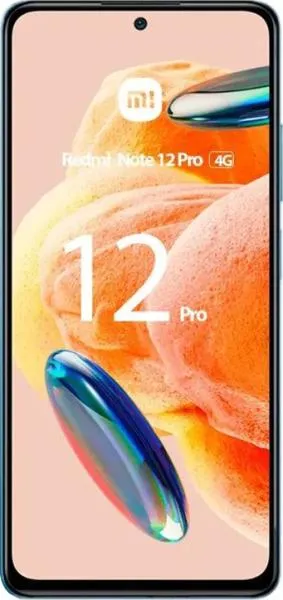
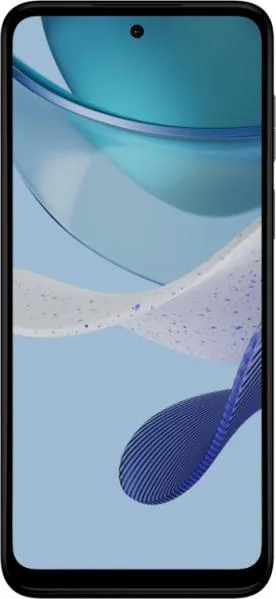
| Dimensions (mm) | 164.2 x 76.1 x 8.1 | 164 x 75 x 8.4 | Virtually identical in size |
| Weight (g) | 201.8 | 189 | Redmi slightly heavier, but unlikely to be noticeable in daily use |
| Build Materials | Not specified | Not specified | Cannot compare build quality and durability |
| Display | |||
| Display Type | AMOLED, 120Hz | IPS LCD, 120Hz | Redmi offers significantly better contrast, colors, and viewing angles due to AMOLED. Both have smooth scrolling thanks to 120Hz. |
| Resolution | 1080 x 2400 | 720 x 1600 | Redmi's display is much sharper and more detailed. Moto G's resolution is noticeably lower, resulting in pixelation. |
| PPI | 395 | 270 | Reinforces the sharpness difference; Redmi's text and images will be crisper. |
| Dolby Vision | Yes | No | Redmi supports Dolby Vision for enhanced HDR content viewing experience with compatible videos. |
| Performance | |||
| Chipset | Snapdragon 732G (8nm) | Snapdragon 480+ 5G (8nm) | Redmi has a more powerful processor, resulting in smoother performance in demanding tasks and games. |
| CPU | Octa-core (2x2.2 GHz Kryo 470 Gold & 6x1.8 GHz Kryo 470 Silver) | Octa-core (2x2.2 GHz Kryo 460 & 6x1.8 GHz Kryo 460) | Redmi's CPU offers slightly better performance, especially in multi-core tasks. |
| GPU | Adreno 618 | Adreno 619 | While the Moto G has a slightly newer GPU, the overall performance difference is negligible, and the Redmi's stronger CPU will likely result in better gaming performance. |
| RAM | 8GB | 4GB | Redmi has double the RAM, enabling better multitasking and preventing apps from closing in the background. |
| Camera | |||
| Main Camera | 108MP | 48MP | Redmi boasts a higher resolution main sensor, potentially capturing more detail. Image quality depends on factors beyond resolution, which are not fully specified. |
| Ultrawide | 8MP | Not specified | Redmi has an ultrawide lens for wider shots, Moto G ultrawide capability is unclear. |
| Selfie Camera | 16MP | 8MP | Redmi has a higher resolution selfie camera. |
| Video Recording | 4K@30fps | 1080p@30fps | Redmi offers 4K video recording, providing higher resolution videos compared to Moto G's 1080p. |
| Battery | |||
| Capacity | 5000 mAh | 5000 mAh | Identical battery capacity, expected similar battery life depending on usage patterns. Actual battery life depends on software optimization and usage. |
| Other | |||
| NFC | Yes | No | Redmi supports NFC for contactless payments and other functionalities. Moto G lacks NFC. |
| 5G | No | Yes | Moto G offers 5G connectivity for faster data speeds where available. Redmi is limited to 4G. |
| OS | Android 11 | Android 13 | Moto G comes with a more recent Android version out of the box, offering potential performance and security benefits. |
2. Key Differences Analysis
Xiaomi Redmi Note 12 Pro 4G Advantages:
- Superior Display: AMOLED with higher resolution and Dolby Vision. Provides a significantly better viewing experience.
- More Powerful Performance: Stronger CPU and double the RAM. Offers smoother multitasking and better performance in demanding applications.
- Higher Resolution Cameras: Potentially better image and video quality, especially in the main and selfie cameras. 4K video recording.
- NFC: Enables contactless payments and other convenient features.
Motorola Moto G (2023) Advantages:
- 5G Connectivity: Future-proofs the device for faster cellular data speeds.
- More Recent Android Version: Potentially better performance, security, and features out of the box.
- Lower Price: Generally more affordable based on listed prices.
3. User Profiles & Recommendations
Redmi Note 12 Pro 4G: Users who prioritize display quality, performance, camera features (especially 4K video), and NFC functionality. Ideal for media consumption, gaming, and mobile photography enthusiasts.
Moto G (2023): Budget-conscious users who need a basic smartphone with 5G connectivity. Best for those who prioritize affordability and future-proof networking over high-end features.
4. Decision Framework
Key Questions for Buyers:
- Is 5G connectivity crucial? If yes, the Moto G is the only option.
- How important is display quality and overall performance? If these are high priorities, the Redmi offers a significantly better experience.
- What is your budget? The Moto G is generally more affordable.
Scenario-Based Recommendations:
- Heavy media consumer: Redmi Note 12 Pro 4G
- Budget gamer: Redmi Note 12 Pro 4G
- Basic phone user needing 5G: Moto G (2023)
- Budget-conscious student: Moto G (2023)
My Choice: Xiaomi Redmi Note 12 Pro 4G
While the Moto G (2023) offers 5G and a lower price, the Redmi Note 12 Pro 4G provides a significantly better overall user experience. The superior AMOLED display, stronger performance (due to a better processor and more RAM), higher resolution cameras, NFC functionality, and 4K video recording are compelling advantages. I prioritize these features for daily use and media consumption, and I am willing to forgo 5G and pay a bit more for a significantly enhanced user experience. The much lower resolution of the Moto G's display is a major drawback for me. Lack of NFC is also a negative. While the Moto G has a newer version of Android, Xiaomi devices often receive updates, though the timeframe is not guaranteed in the provided specifications.
